
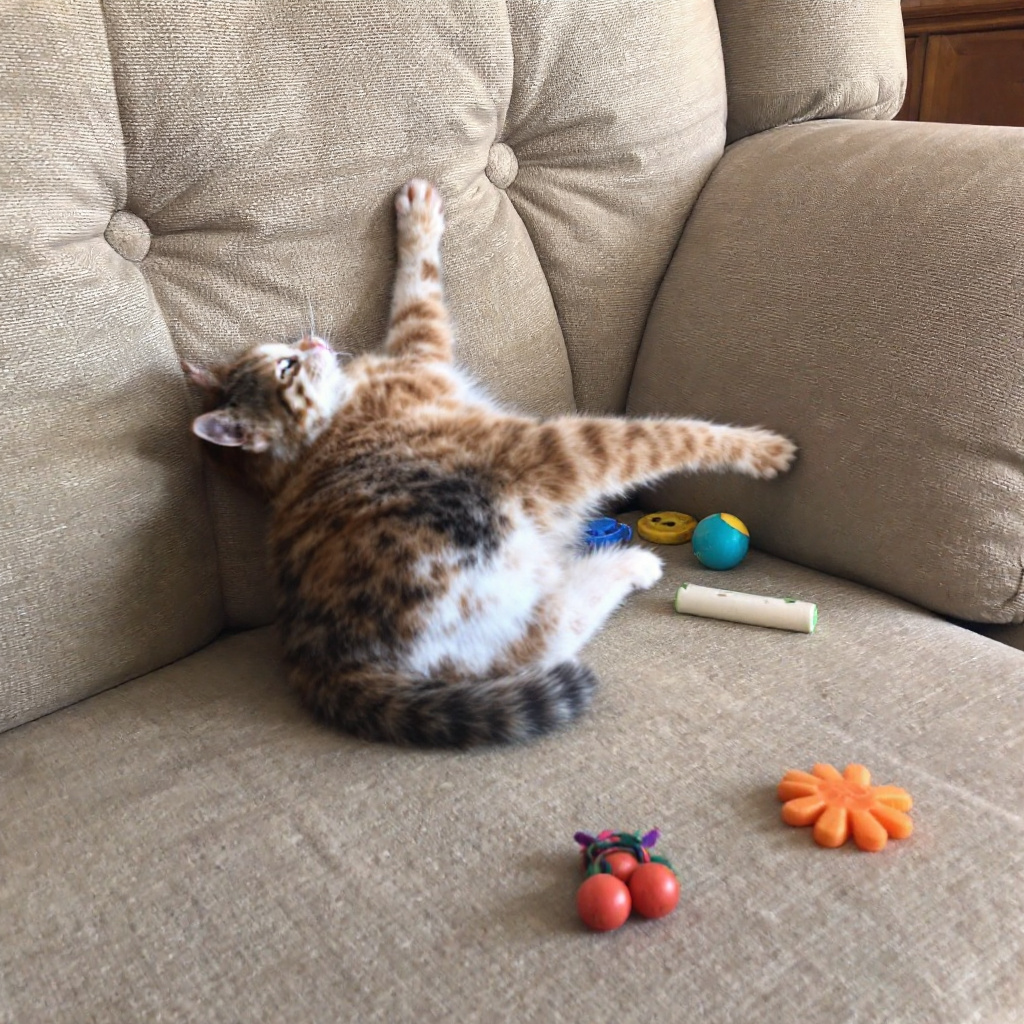
Understanding cat behaviour: How to stop cats scratching furniture
Why do cats scratch in the first place?
Understanding cat behaviour is the key to living harmoniously with our purring companions. One of the most common – and, for many cat owners, frustrating – behaviours is scratching furniture. But before you get angry, let’s take a look at why cats scratch in the first place. In fact, scratching serves many important functions:
- Personal care: Scratching removes worn-down claw sheaths, allowing new, sharp claws to grow back.
- Marking: Cats have scent glands in their paws. When they scratch, they leave behind not only visible marks but also scent marks.
- Stretching: When cats scratch, they stretch their muscles, which, much like yoga, helps them to relax and keep fit.
- Emotional regulation: Sometimes scratching is simply a way for cats to express their emotions – whether that be joy, frustration or stress.
How can you stop cats from scratching furniture? Is it even possible?
Now that we understand the natural purpose of scratching, the question arises: what can we do to protect our beloved furniture? Fortunately, there are ways to stop cats from digging their claws into the sofa – without trying to break them of their natural behaviour. Here are some tips on how you can succeed:
What alternatives are available?
The first step in stopping cats from scratching in unwanted places is to offer them attractive alternatives. A simple rule is: make the unwanted spot unappealing and the alternative really interesting!
Create alternative scratching options
Providing alternative options means giving cats their own space for grooming whilst also taking the strain off the furniture.
The ultimate cat tree
A cat tree is the ultimate treat for any cat. It offers not only scratching posts but also places to climb and hide. When buying one, make sure it’s sturdy – there’s nothing worse than a wobbly cat tree that tips over at the first jump!
Scratching boards and mats
Scratching boards are the perfect flat alternative and can be attached to walls or the floor. They are often made of cardboard or sisal and offer a change from the traditional scratching post. Simply put one up and see which spot your cat prefers.
Materials for scratching posts: What makes them appealing?
When choosing materials for scratching posts, there are a few factors to bear in mind. Not every material appeals to all cats in the same way.
Sisal: The classic scratching post
Sisal is an extremely popular material for scratching posts, and for good reason. It is sturdy enough to withstand even the most vigorous scratching, yet natural, which appeals to many cats.
Cardboard: More flexible and budget-friendly
Cardboard scratching boards are ideal for cats that prefer a soft surface to scratch on. The light texture of the cardboard makes scratching particularly appealing to many felines. Another plus point is that this option is environmentally friendly and easy on the wallet.
Carpet scraps: a hidden hazard?
Many scratching posts are also covered with pieces of carpet. Caution is advised here: carpets that look similar can trick cats into failing to tell the difference and lead them to use the family carpets as well!
Practice and patience
Now that you’ve got a range of scratching posts, it’s time to get started. Here are a few tips to help your cat get used to the new options:
- Praise and rewards: Whenever your cat uses the new scratching posts, reward them! Whether with a treat or a stroke, positive reinforcement works wonders.
- Catnip as a magnet: It often helps to sprinkle catnip on scratching posts to make them more appealing. This herb works like magic on many cats!
- Positioning is everything: Try placing the scratching posts near their favourite scratching spots. Cats are notoriously lazy – easier access will pique their curiosity.
Conclusion
Understanding cat behaviour requires patience and a willingness to respond to your pet’s needs. Scratching is part of a cat’s nature. By providing alternative scratching options and using attractive materials, you can make your home cat-proof whilst respecting your cat’s instincts. Always remember that your furry friend isn’t acting out of malice, but is simply following its natural instincts. With the right strategy, both your furniture and your nerves will be spared!
FAQs on cat behaviour
Why do cats knead with their paws?
Cats knead with their paws because this behaviour stems from their early life. When suckling from their mother, kneading stimulates milk production. Adult cats often use this behaviour to express comfort and contentment, or to mark their territory, as their paws contain scent glands.
Why do cats meow?
Meowing is a versatile form of expression that cats use to communicate with humans. Whilst adult cats tend to communicate with one another using body language, they know that humans respond better to sounds. Whether it’s demands for food, greetings or complaints – every type of meow can have a different meaning.
How can I tell if my cat is stressed?
Stressed cats often display physical signs such as dilated pupils, a tail held low or flattened ears. Behavioural changes, such as hiding, excessive grooming or sudden aggression, can also be signs of stress.
Is it normal for cats to turn their noses up at their food from time to time?
Cats may sometimes refuse to eat their food. This could be due to a change in their diet, reduced activity levels, or even changes in their environment. However, if this behaviour persists or the cat shows any other symptoms, you should consult a vet.
Why do cats bring their owners prey?
By bringing prey to their owners, cats are showing their support and affection. Instinctively, this could also be a form of „training“ for the human-cat bond, as they may be trying to teach you how to hunt.