Scratching post materials: the perfect choice for your cat
We’ve all been there: you come home to find your beloved cat has been at your new sofa again. For cats, scratching isn’t just a pastime; it’s a fundamental need that contributes to their well-being. But don’t worry! With the right scratching furniture and materials, you can channel this behaviour in a controlled way whilst keeping your furniture intact. Let’s discover together which materials are suitable for scratching furniture and how they can ensure a harmonious home for you and your cat.
1. Sisal – The classic choice among scratching materials
Sisal, a natural product made from the fibres of the agave plant, has become one of the most popular materials for scratching posts. Why? It is sturdy, durable and provides your cat with the perfect surface for sharpening its claws.
- Advantages: The rough texture of sisal perfectly caters to cats’ natural instinct to scratch. It is also environmentally friendly and biodegradable – a bonus for anyone who prefers sustainable products.
- Disadvantages: Although sisal is very hard-wearing, it can fray over time with heavy use. It is therefore worth paying attention to the quality of the sisal.
Many manufacturers use sisal in the production of scratching furniture, as it offers cats the perfect combination of durability and satisfaction of their natural urge to scratch. So it’s no wonder that sisal items can be found in many households with cats!
2. Cardboard – The cost-effective solution
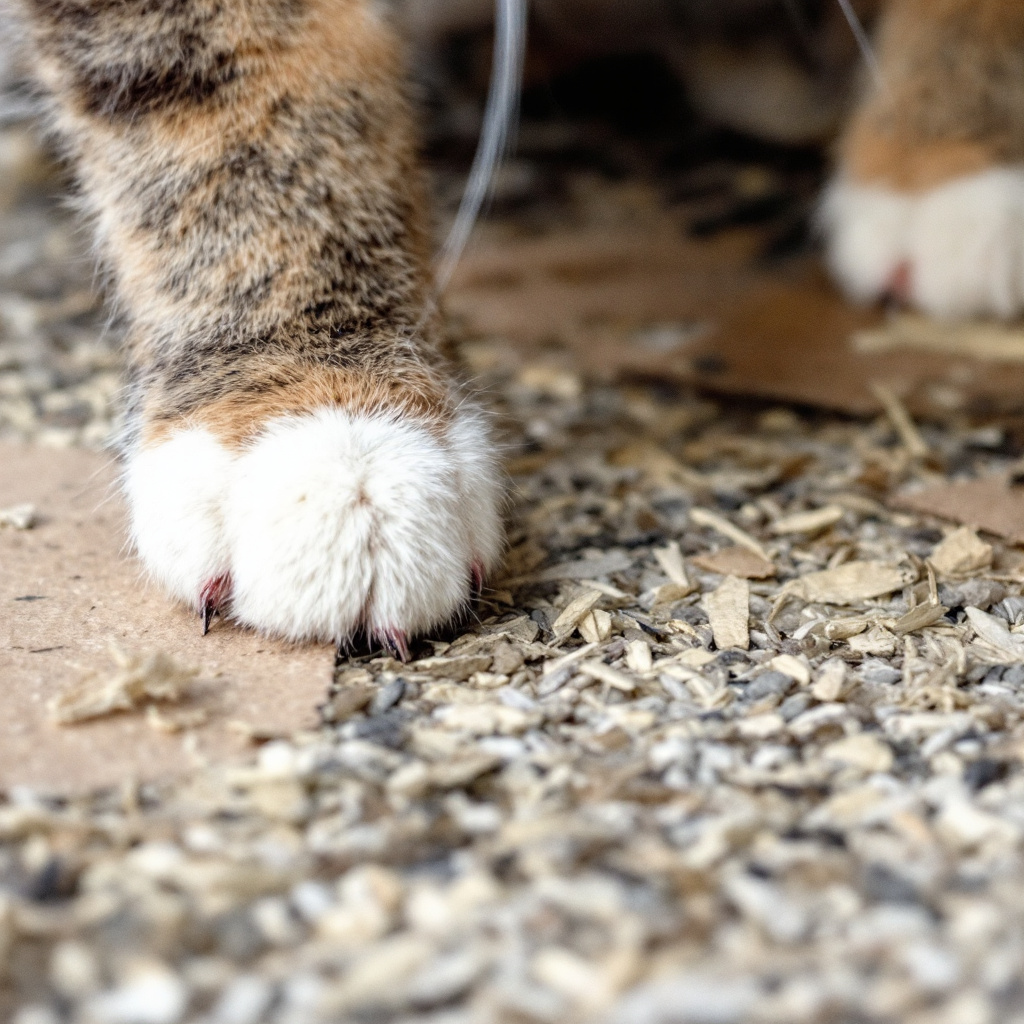
When it comes to scratching materials, cardboard is an absolute must. Many cat owners have noticed that their furry friends love to sit in and on cardboard boxes and scratch away to their heart’s content. So why not make specific use of cardboard scratching furniture?
- Advantages: Cardboard is cheap, easy to replace and comes in all sorts of shapes – from flat scratching boards to elaborate scratching castles.
- Disadvantages: Unfortunately, cardboard isn’t the most durable material. Cats can tear it to shreds in no time, which means you’ll have to replace it frequently.
As well as being affordable, the advantage of cardboard scratching posts is their versatility. There are plenty of DIY projects online showing how to turn old cardboard boxes into creative scratching areas.
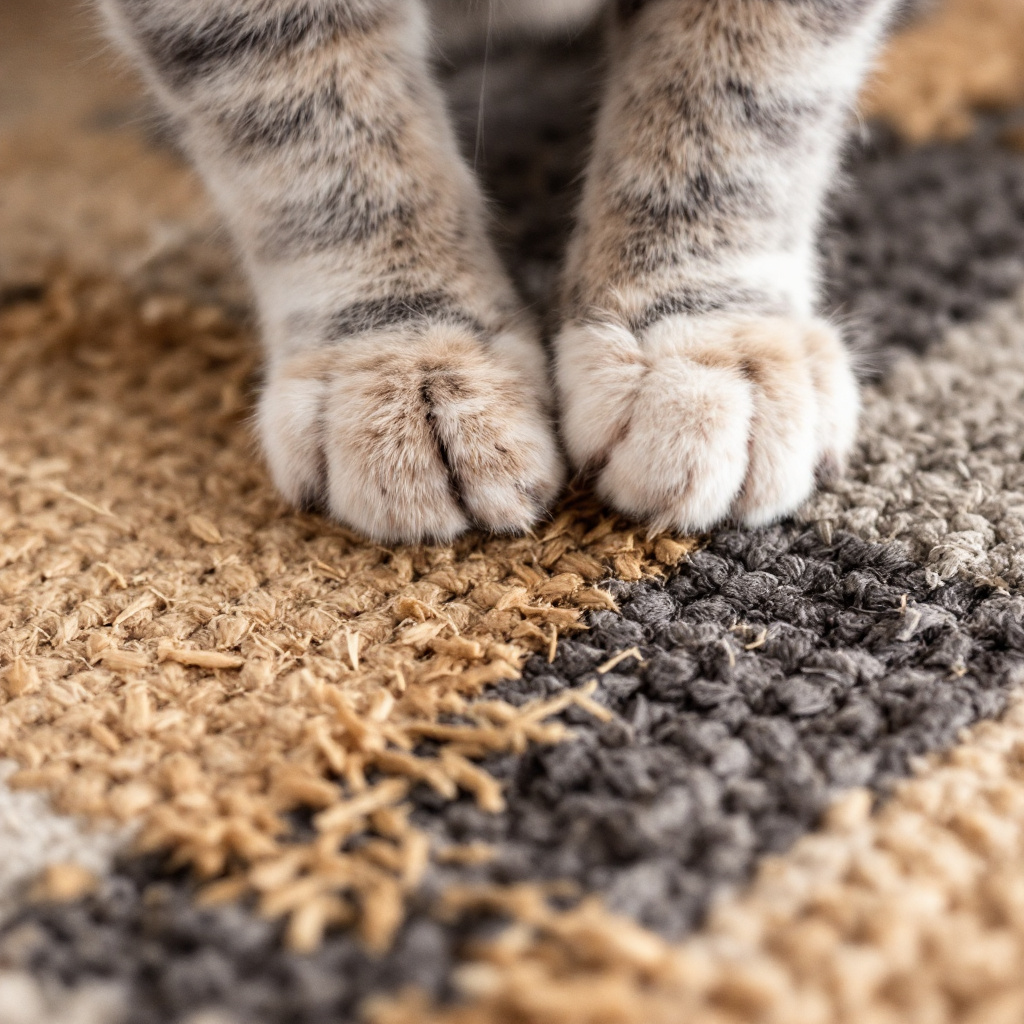
3. Carpet – The soft option
Another popular material for scratching furniture is carpet. Scraps of carpet are ideal for covering scratching posts or boards, so that our feline friends have a comfortable, soft surface to scratch.
- Advantages: Carpet is soft, easy to lay and comes in a variety of colours and patterns. It also provides cats with a comfortable place to lie down.
- Disadvantages: Depending on the quality of the carpet, the fibres may not last very long and could soon become frayed. There is also a risk that the cat will get used to it and start scratching other carpets in the house instead.
When using carpet as a scratching surface, you should therefore proceed with caution and, above all, choose carpets with short pile to minimise the risk of wear and tear.
4. Wood – Natural and sustainable
Wood is not only a versatile material for making furniture, but also provides a sturdy base for scratching posts. Different types of wood offer different advantages – hard woods provide stability, whilst softer woods offer a natural texture for scratching.
- Advantages: Aside from its durability, wood has a very natural look. It is easy to work with and can be adapted to suit your cat’s individual needs.
- Disadvantages: Wood can be heavy and expensive, especially if you opt for high-quality varieties. What’s more, the sound of scratching may be more pronounced with wood.
With a little DIY skill, wood can be transformed into perfect personalised scratching furniture that is both aesthetically pleasing and functional.
5. Rope – For unique structures
Rope scratching posts are an interesting alternative that offer cats a different texture to scratch. They can be easily wrapped around existing furniture or used as standalone scratching posts.
- Advantages: Ropes offer a unique texture and are often more durable than thin sisal or decorative fibres. They are ideal for creative DIY projects.
- Disadvantages: High-quality ropes can be expensive, and if they are not fitted properly, they can quickly come loose or unravel.
Think outside the box! Ropes can breathe new life into existing furniture, transforming it into multifunctional scratching posts.
Conclusion: The right choice for you and your cat
Whether it’s sisal, cardboard, carpet, wood or rope, choosing the right material for your cat’s scratching post depends on your cat’s preferences, your budget and the style of your home. By choosing the right combination of materials, you can ensure that your cat can satisfy its natural scratching instinct whilst you stylishly furnish your home.
Every cat-owning household is unique, and there’s no one-size-fits-all solution when it comes to choosing the perfect scratching material. Try out different options and see what your cat prefers – that way, they’ll only leave their marks where you want them to!
FAQs
What material should I choose for a cat scratching post?
List of materials for a cat tree: Trunk: For a natural cat tree, use a sturdy branch or the trunk of a young tree. It is often worth asking a tree nursery for pruned wood. If this isn’t an option, buy timber with a diameter of at least twelve centimetres from a DIY store.
What is scratching board?
Cat furniture such as scratching mats: Scratching mats not only give cats the chance to sharpen their claws, but also to stretch and stretch out. Our high-quality mats, made in Germany, are characterised by their sturdiness and durability.
What do you need to build a cat tree?
You will need a thin tree trunk, sisal rope, a base plate or a tree stump, faux fur, fabric scraps or old soft toys, and a wooden board.
Why is scratching furniture important for cats?
Scratching posts are important because they stimulate your cat’s natural urge to scratch and allow them to keep their claws in good condition. At the same time, they offer a great opportunity for play, stretching and even relaxation. These accessories also protect your furniture from unwanted scratching.
How can I get my cat used to a new scratching post?
Cats are curious and love exploring new things. When you get a new scratching post, place it in a prominent spot in the house. Entice your cat with toys or catnip to help it get used to the new scratching areas. Patience and positive reinforcement go a long way!