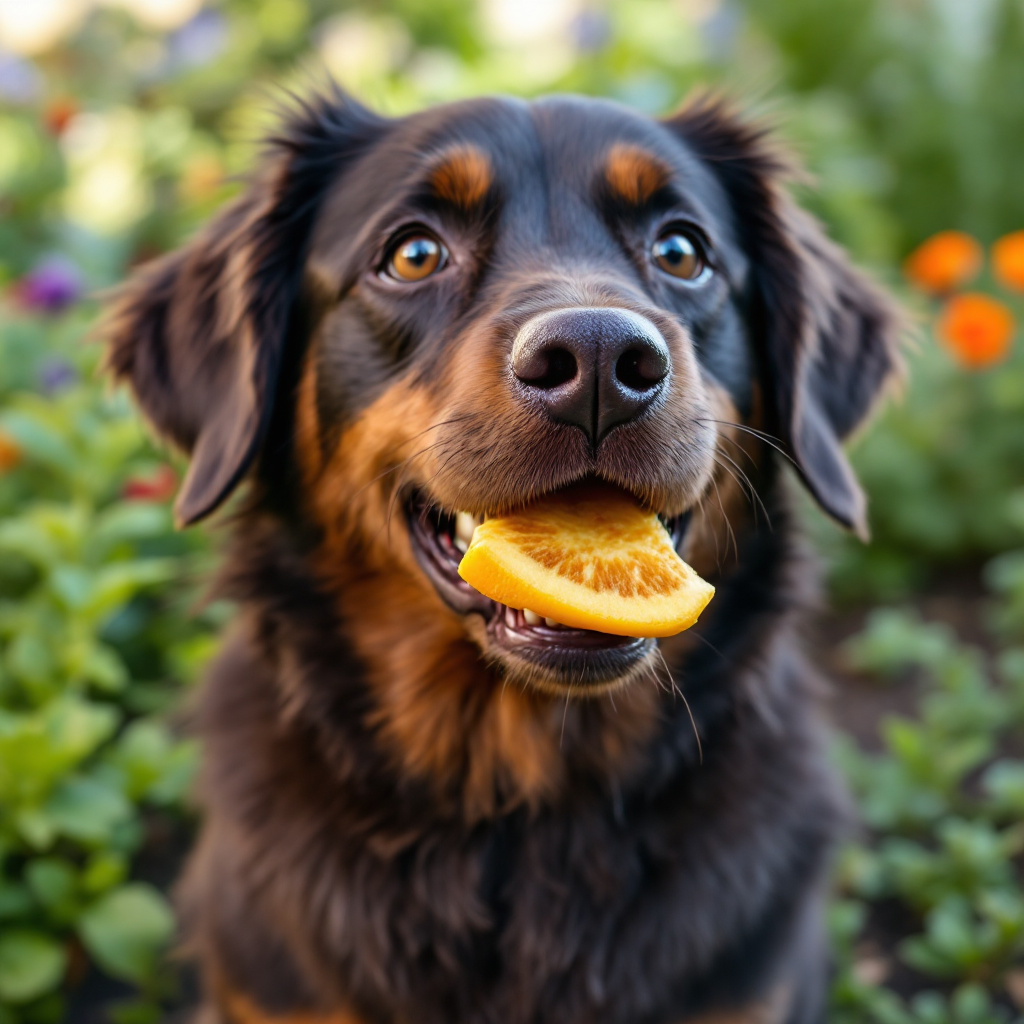

Breeding, care and nutrition of small hunting dogs: A comprehensive guide
Introduction
Small hunting dogs are highly valued as companions and clever hunters. But to bring out their best qualities, they need the right breeding, care and nutrition. In this comprehensive guide, you will learn how to breed ethically and responsibly, optimise care and ensure a balanced diet.
The breeding of small hunting dogs: Basics and ethical aspects
Breeding small hunting dogs requires not only passion, but also knowledge and a sense of responsibility. Here are some basic and ethical aspects to consider:
- Genetic diversity: Too close inbreeding can lead to genetic defects and diseases. It is therefore important to ensure a broad genetic base.
- Health checks: Before breeding, both parents should be Hereditary diseases and health problems.
- Ethics and responsibility: Breeders should always keep the welfare of the animals in mind and not breed dogs for purely commercial purposes.
Last but not least, you should also constantly educate yourself and draw on the experience of other experienced breeders.
Care of small hunting dogs: To keep them shining like an egg
The Care of small hunting dogs is crucial to keeping them healthy and happy. The following points are essential:
Regular brushing and bathing
First and foremost, the coat should be brushed regularly to prevent matting and to aerate the skin. Bathing is also important, but should not be done too often so as not to damage the skin's natural oil layer.
Claw cutting
Claws that are too long can cause pain and even injury, so they should be trimmed regularly. This is best done with special claw clippers.
Ear and eye care
Regularly check the ears and eyes of your small hunting dogs for signs of infection or foreign bodies. Clean them gently with a damp cloth or special cleaning solutions.
Regular veterinary examinations
A regular check-up at the vet is essential in order to recognise and treat health problems at an early stage. Vaccinations and worming treatments should also be carried out regularly.
Nutrition for small hunting dogs: food that keeps them going
A balanced diet is the fuel for the energy and health of your small hunting dogs. Here are some tips on how you can optimise their diet:
Proteins - the foundation of nutrition
Hunting and working dogs need a higher protein content in their diet to maintain their muscle mass and keep them fit. Energy level to be maintained. High-quality meat such as chicken, beef or lamb should therefore be included in the food.
Carbohydrates and fats - for that extra portion of energy
Carbohydrates and fats provide the necessary energy to cope with the physical demands. Wholemeal products and healthy fats such as fish oil are highly recommended here.
Vitamins and minerals - for a strong immune system
Vitamins and minerals are crucial for a strong immune system and general health. Fruit, vegetables and special dietary supplements can help here.
Avoiding obesity - a slimming programme for four-legged friends
Also small hunting dogs can develop obesity, which can lead to numerous health problems. Therefore, make sure they are fed in a controlled manner and exercise regularly.
- Feeding frequency: Two to three meals a day are ideal.
- Portion sizes: Adjust the portion sizes to the dog's weight, age and activity level.
- Rewards and treats: Use treats sparingly and preferably for training sessions.
Conclusion
Breeding, caring for and feeding small hunting dogs requires a high level of knowledge and a sense of responsibility. By relying on proven, practical methods and always keeping the welfare of the animals in mind, we can help to ensure that our little hunting companions remain healthy, happy and productive. This guide should help you to take the best possible care of your small hunting dogs - be it in breeding, care or nutrition.
FAQs
What should hunting dogs eat?
Dogs - and therefore also your hunting dog - are not pure carnivores, but omnivores. In addition to high-quality animal ingredients, plant-based components should therefore also be part of the diet to ensure it is balanced. Fibre serves to maintain the intestinal motor function.
What makes a good hunting dog?
A good hunting dog should be obedient, intelligent, energetic and eager to work. It should have a good nose to sniff out game and the stamina to hunt for long periods of time. It is important to choose a dog that fits well with the hunter's personal preferences and lifestyle.
Who is the best hunting dog?
Best German Hunting Dog? Top 3 breeds:
- 1st place: The Dachshund. As the best German hunting dog, the Dachshund takes first place in the ranking.
- 2nd place: The setter.
- 3rd place: Small Münsterländer.
How often should you feed small hunting dogs?
It is advisable to feed small hunting dogs two to three times a day. This helps to keep their metabolism stable and prevents them from eating too much at once, which Digestive problems could cause.
What special care needs do small hunting dogs have?
Small hunting dogs need regular brushing to keep their coats clean and healthy. Their claws should be trimmed regularly, and their ears and eyes need special attention to prevent infection. They also often need more physical and mental stimulation than other pets to stay happy and healthy.