
Breeding, Care and Ageing of Small Hunting Dogs: A Comprehensive Guide
Breeding small hunting dogs: a blend of tradition and modernity
Breeding small hunting dogs is a fascinating yet complex undertaking that combines centuries-old traditions with the latest scientific findings. Small hunting dog breeds such as the Small Münsterländer, the Beagle and the Jack Russell Terrier have a long history and were originally bred specifically for hunting small game and birds.
But what makes a breeding programme successful? Here are some key factors:
- Genetics: A basic understanding of genetics is essential for producing healthy, high-performing puppies. Genetic testing helps to, Hereditary diseases to avoid these and encourage the best qualities.
- Ethics: Responsible breeders ensure that their dogs are kept in the best possible conditions. Species-appropriate care and the careful selection of parent dogs are crucial.
- Socialisation: Puppies need to be socialised from an early age. A good relationship with people and other animals is essential. This affects not only their performance as hunting dogs, but also their lives as family pets.
- Health checks: Regular veterinary check-ups and vaccinations are essential to ensure that the dogs stay healthy.
Did you know that some of the smallest Hunting dog breeds Did you know that dachshunds were originally bred to hunt badgers? This shows just how important these dogs’ specialisation and innate instincts are.
Caring for small hunting dogs: tips and tricks for a happy dog life
The Care of small hunting dogs goes far beyond just feeding them and taking them for walks. These energetic four-legged friends need special attention to stay healthy and happy.
Nutrition
A balanced diet is essential. Small hunting dogs need food that is rich in protein and nutrients to maintain their muscle mass and energy levels. Here are a few tips:
- Look for high-quality ingredients with no artificial additives.
- Include fresh meat, vegetables and fruit in your diet.
- Avoid food with a high grain content, as not all dogs tolerate it well.
Coat care
Coat care varies depending on the breed, but regular brushing is essential to prevent matting and keep the coat healthy. Some smaller hunting dogs, such as the Yorkshire Terrier, even need a regular trim.
- Brush the coat at least once a week.
- Use specialised shampoos and hair care products.
Physical activity and mental stimulation
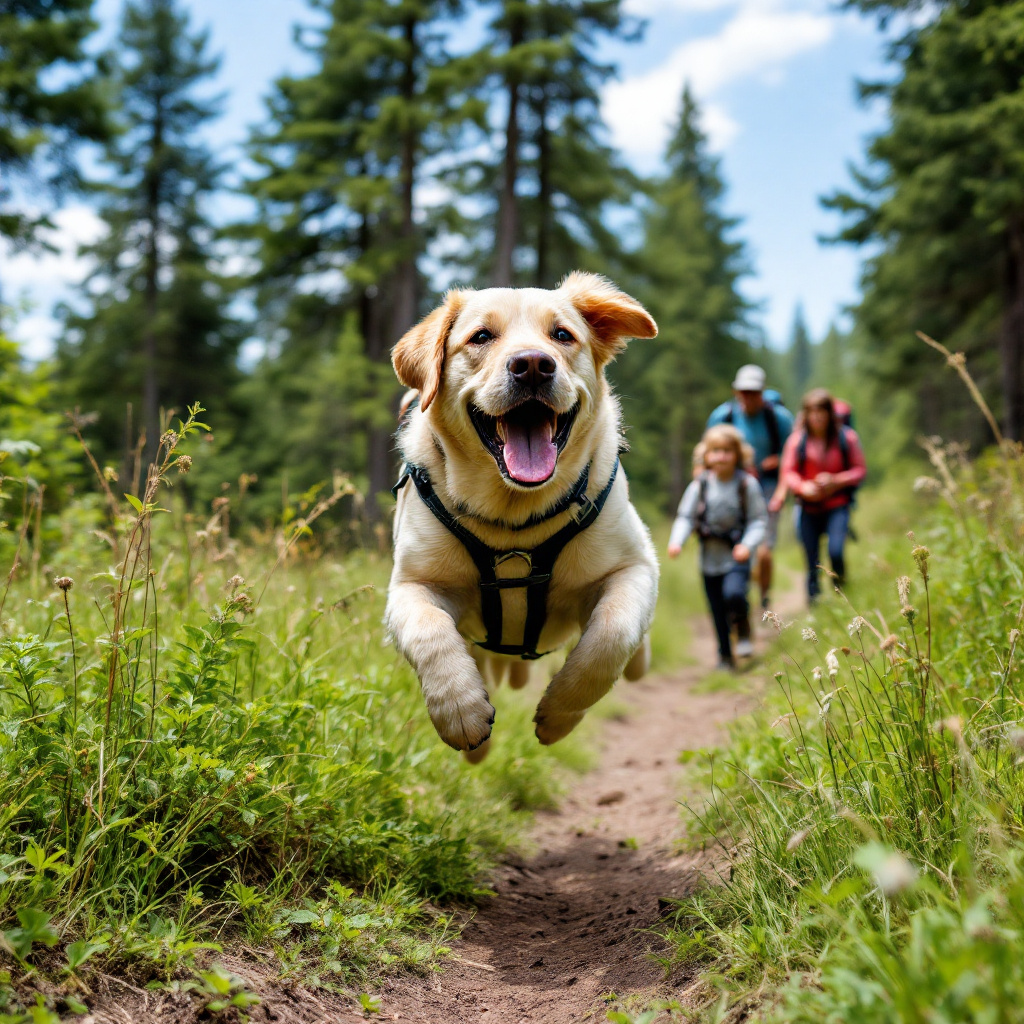
Small hunting dogs are real bundles of energy and need plenty of exercise and mental stimulation. Long walks and playful activities should be part of their daily routine.
- Daily walks of at least an hour are ideal.
- Keep your dog occupied with search-and-find games and agility exercises.
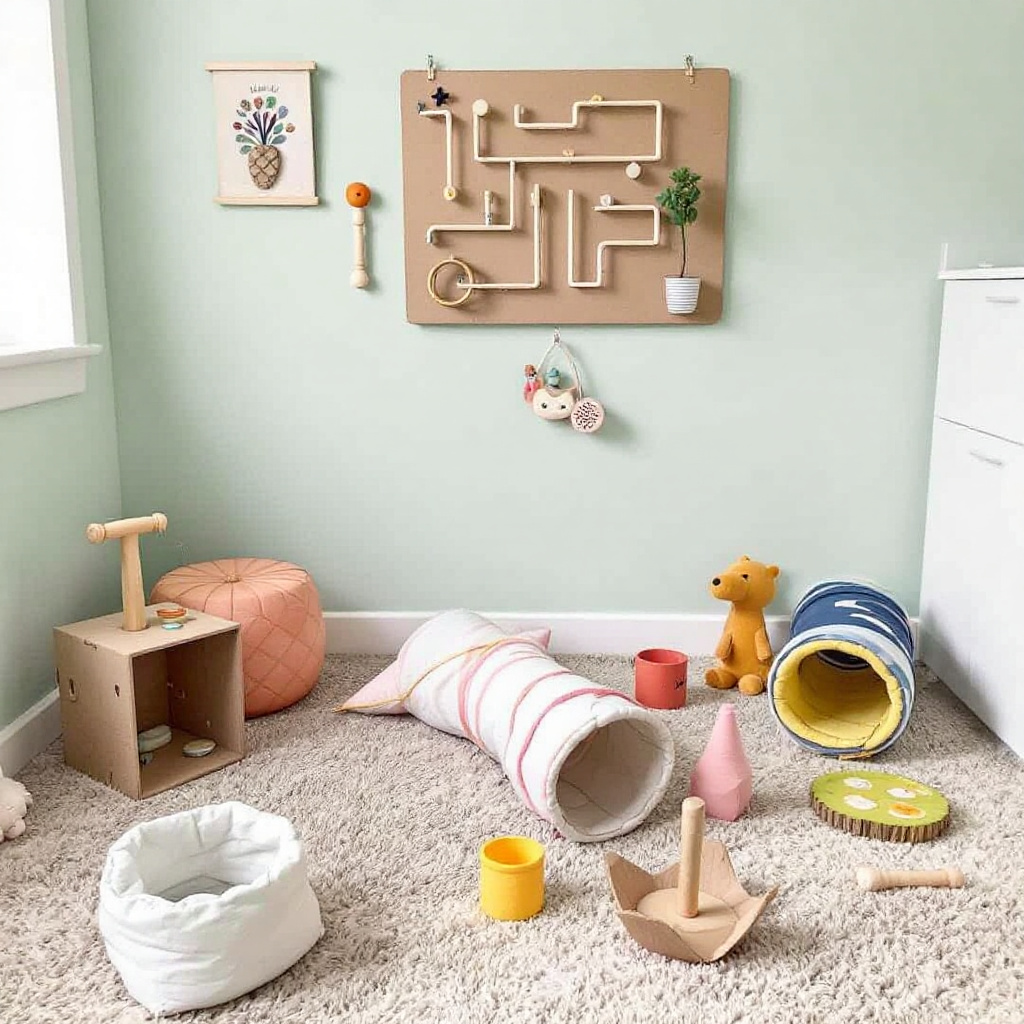
- Chew toys and puzzle toys are a great way to keep boredom at bay.
Healthcare
Regular health checks are essential for detecting potential problems at an early stage. Vaccinations, parasite prevention and dental care must not be neglected.
- One or two veterinary check-ups a year are recommended.
- Make sure you are fully vaccinated.
- Don’t forget to look after your teeth regularly!
Ageing in small hunting dogs: growing old with love and care
Even small hunting dogs don’t stay young forever, and as they get older, they need special care. It’s important to understand the ageing process and improve your four-legged friend’s quality of life.
Change of diet
Older dogs often have different needs to their younger counterparts. You should consider a senior dog food that is easier to digest and supports joint health.
Joints and movement
Arthritis and joint problems are not uncommon in older hunting dogs. Appropriate exercise, physiotherapy and dietary supplements can help to relieve pain and maintain mobility.
Cuddle time and comfort
As they get older, small hunting dogs often become more affectionate and seek more closeness. A comfortable place to sleep and regular cuddles are particularly important now.
Mental fitness
Just as with us humans, mental stimulation can help to maintain cognitive abilities. Brain teasers and moderate mental exercises keep the mind sharp.
Did you know that small hunting dogs often live to a ripe old age? Some can live to the grand age of 15 or more if they are well looked after. This shows just how important it is to be a loving and responsible owner.
Conclusion: Small hunting dogs – from puppyhood to old age
Small hunting dogs are fascinating companions that require careful breeding, thorough grooming and age-appropriate care. With the right knowledge and plenty of love, you can ensure that your small hunting dog enjoys a happy, healthy and long life.
So, do your research, be prepared and enjoy every minute with your faithful companion. These little bursts of energy will bring you more joy than you could ever imagine. Happy dog life!
FAQs
Is a German hunting dog difficult to train?
A German hunting dog, such as the German Wirehaired Pointer, is an intelligent and quick-learning four-legged friend. However, due to its many ambitions and needs, it is not a dog for beginners. It belongs with a dedicated owner who wants to experience a lot with their dog and is prepared to train it continuously.
How much does a fully trained hunting dog cost?
The total cost of training and testing a hunting dog – not including the cost of your own time – can quickly run to around €1,760. This investment covers training sessions, examination fees and, in many cases, specialist equipment.
How much does a trained German Wirehaired Pointer cost?
Prices for an untrained German Wirehaired Pointer puppy with pedigree papers start at around 1,000 euros. For dogs that have already been trained for hunting, the cost ranges from 2,000 to 3,500 euros. This price reflects the intensive training the dog has undergone.
How old do small hunting dogs get?
Small hunting dogs can often live to a ripe old age. With good care, a balanced diet and regular check-ups at the vet, some of these dogs can live to be 15 years old or older. This shows just how important it is to be a loving and responsible owner in order to maximise their quality of life and lifespan.
Do small hunting dogs need special care as they get older?
Yes, small hunting dogs require special care as they get older. A change in diet, adapted exercise routines and regular health checks are essential for keeping your four-legged friend healthy and happy. In addition, older dogs should be provided with more comfort and mental stimulation to ensure their well-being.