Behaviour of small dog breeds: What you should know
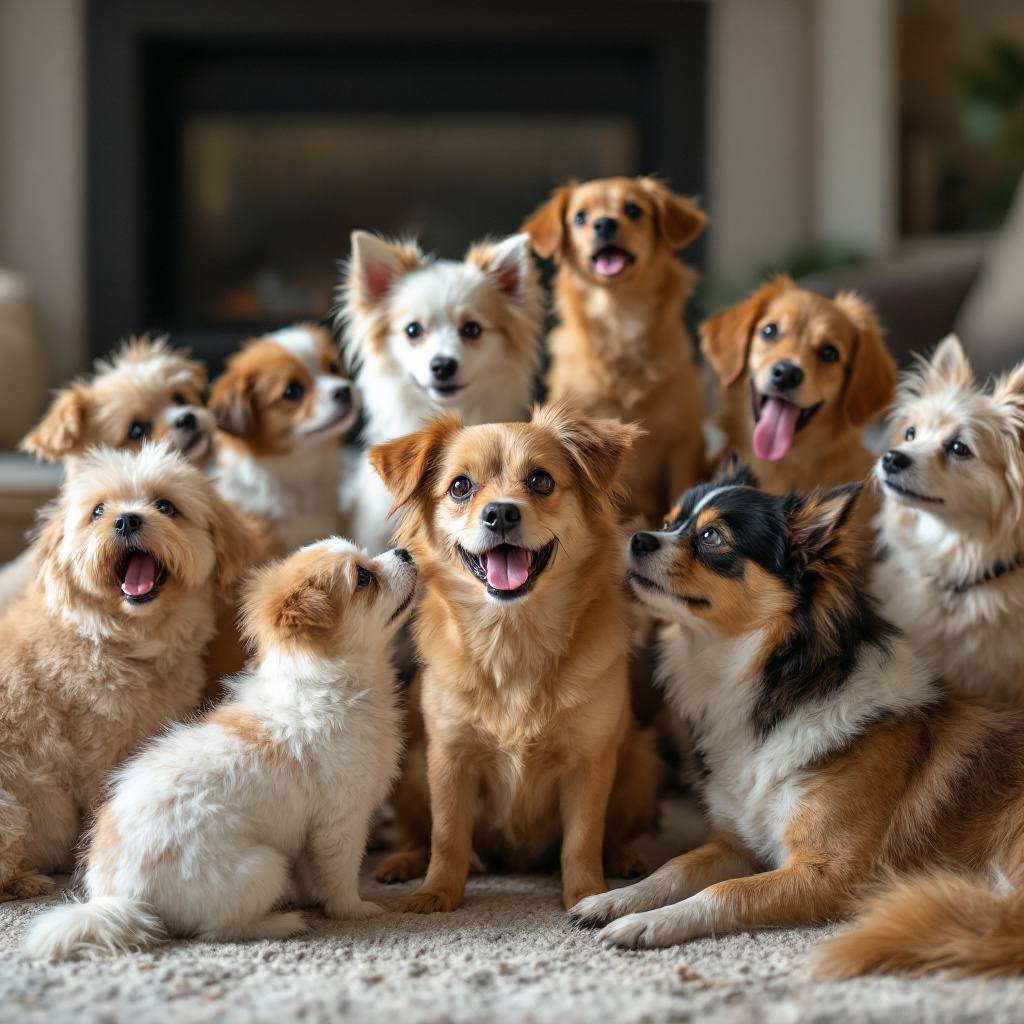
Small dog breeds are a true phenomenon of modern pet ownership. They are compact, charming, and often endowed with a personality that is bigger than their tiny bodies. But before you lose your heart to one of these cute four-legged friends, an understanding of small dog breed behaviour is essential. Why, you ask? Well, the behaviour of your little furry friend is crucial for a harmonious life together and successful training results. So let's delve into the exciting world of these little guys' behaviour!
Small but mighty: the personality of small dog breeds
They say good things come in small packages, and that's exactly the case with these little dogs. Small dog breeds are often admired for their lively and sometimes bubbly personalities. These traits can vary greatly, but the following behaviour patterns are particularly common:
- Bundle of energy: Many small dogs have an amazing amount of energy and need regular exercise and mental stimulation.
- Independent thinkers: While some breeds like to follow orders, others have a mind of their own. Their independence can be a challenge to train.
- Self-confidence: Some of them don't even realise that they are small. Their confident demeanour towards larger dogs can be both refreshing and risky.
- Commitment-orientated: Many small dog breeds develop a strong bond with their owners, which makes them ideal for people who spend a lot of time at home.
Tip-top parenting: Strategies for small staff
Proper training is the key to managing the behaviour of small dog breeds. Don't be fooled by their size! These miniature dogs also need clear rules and consistent training. Here are a few tips to help you:
- Positive reinforcement: Praise and reward good behaviour. Small dogs love to see you happy and will be motivated if you work with treats and praise.
- Consistent rules: Always be consistent. Don't let your dog on the table if this is normally taboo. Inconsistencies can cause confusion.
- Short and sweet: Keep training sessions short but regular. Small dogs often have a shorter attention span.
- Early socialisation: Get your dog used to different environments, people and other animals at an early stage. This helps to avoid unnecessary fears and aggression.
Typical challenges in the behaviour of small dog breeds
Are the emerging behaviours of small dogs a coincidence or misunderstanding? Well, in fact, there are some common hurdles you might encounter:
Barking guards
Many small dogs are known for their loudness. They often bark to draw attention to themselves or to compensate for a feeling of insecurity. Work with your dog to get excessive barking habits under control before your neighbourhood peace is disturbed.
Separation anxiety
As already mentioned, small dogs are often people-centred. This means that separation anxiety is a common challenge. You may want to practise your absence slowly and in small steps to avoid unnecessary stress.
Possessive behaviour
Small dogs love their humans and sometimes even so much that they jealously scrutinise everything and everyone around them. Obedience training and a strong release command can work wonders here.
The key to health: understanding the behaviour of small dog breeds
A healthy little dog is a happy little dog. But did you know that your dog's behaviour is a key indicator of his health? Watch out for changes such as increased irritability or a lack of playfulness as this can indicate health problems. A regular visit to the vet is also essential to ensure the well-being of your little four-legged friend.
The roles of small dogs in the family
When considering bringing a small dog into your home, it's important to consider the family dynamic. Small dogs can be amazing companions for individuals and families, but not all traits are always a perfect fit. Think about how the dog can be integrated into your life and what behaviours might work particularly well together.
Small dogs demand a lot of attention and training, but when family members work together, they can be an adorable addition to the home. Consider the following:
- Role allocation: Determine who is responsible for feeding, walking and training to create a consistent environment.
- Child safety: Be aware that small dogs are more fragile. Small children should be taught gentle handling to avoid accidents.
- Allergies and preferences: Check that all family members are happy with the dog and take any allergies into account.
Conclusion: The hearty heroes among the dogs
In summary, the behaviour of small dog breeds is nothing short of fascinating. These dogs bring charm and energy to any home, but also present some specific behavioural challenges. However, with understanding, training and integration into the family, small dogs can truly be great assets. So, if you're thinking about adopting a small dog, pause and weigh up the different behavioural traits. In the end, you may find that your new family member is more than just a pet - they could be your hearty hero!
FAQs
Are small dogs harder to train?
Small dogs tend to bark more often - but this has nothing to do with their size, it's down to the owners. Many people think that dogs need less training just because they are small. However, the following also applies to mini dogs: a well-behaved four-legged friend makes life more relaxed for both humans and dogs.
Why are smaller dogs less obedient?
The impression that smaller dogs are less obedient could be related to the fact that owners are often inconsistent in their training. It may also be due to the fact that small dogs are not taken seriously enough in certain situations because of their size. They need just as clear rules and loving consistency as their larger counterparts.
Are small dogs barkers?
Small dogs are barkers and not really dogs at all - these are widespread clichés among dog owners. They mean that the smallest members of the species are often not seen as fully-fledged dogs. This in turn can lead to problems. However, with the right training, barking can be reduced to a minimum.
Which small dog breeds are best suited for children?
Many small dog breeds are wonderful companions for families with children. For example, Beagles, Cavalier King Charles Spaniels and French Bulldogs are known for their friendly and patient nature. However, it is important that attention is always paid to the interaction between children and dogs to ensure that both child and dog are safe and happy.
Do small dogs need less exercise than large dogs?
Surprisingly, many small dogs need a considerable amount of exercise to stay happy and healthy. Breeds such as Jack Russell Terriers and Yorkshire Terriers are known for their high energy levels and love long walks and playtime. It is important to adjust the level of activity to suit the breed and the dog's individual energy levels.