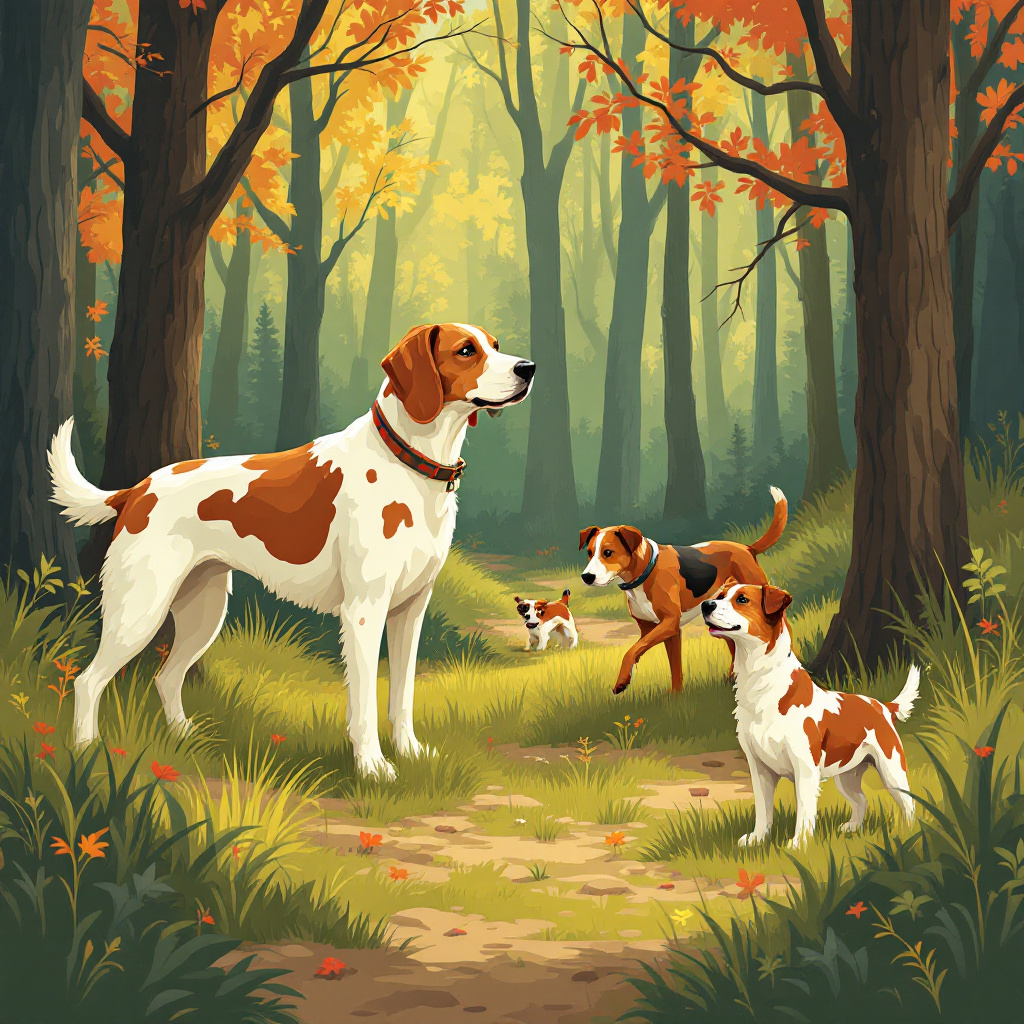

Nutrition for rare dog breeds: Special features you should be aware of
The world of rare dog breeds is as diverse as it is fascinating. However, one thing that all these unique pets have in common is their special diet. Because just like us humans, every dog breed - and especially the rare ones - requires a carefully balanced diet to stay healthy and happy. But hey, don't panic! In this blog article, we delve into the captivating world of rare breed dog nutrition.
Why is the nutrition of rare dog breeds so important?
Looking after a rare breed of dog is like looking after a little treasure. These dogs often have genetic characteristics that make their diet a kind of customised diet. The right diet can:
- Avoid health problems
- Increase life expectancy
- Improve general well-being
- Promote a shiny coat and strong bones
Inappropriate feeding, on the other hand, could lead to health problems that you would like to avoid.
Special nutritional requirements of rare dog breeds
Rare dog breeds often come with special requirements - who would have thought that the little ball of fur that looks so adorable is a demanding foodie? Here are some considerations:
Genetic factors
Some breeds, like the Peruvian Naked Dog, may need a specific combination of proteins and fats to maintain their lean physique and energy levels. Others, like the Azawakh, may need a diet that specifically supports their muscles.
Allergies and intolerances
Unexpected allergies can occur, especially in rare breeds. For example, some dog breeds may be sensitive to grains or certain types of meat. To avoid such stumbling blocks, a diet that avoids potential allergens is often the best choice.
Activity level
An active dog, such as the Norwegian Lundehund, needs a high-protein diet to maintain its energy levels. A calmer companion, such as the Kooikerhondje, may benefit from a diet that is more focussed on weight control.
Diet plans for selected rare dog breeds
There is no „one size fits all“ when it comes to dog nutrition. That's why we take a closer look at some rare breeds and what they might appreciate in their diet:
Lagotto Romagnolo
The Lagotto Romagnolo is a smart water dog that is known as a truffle hunter. To keep him happy, protein-rich foods with high-quality fats are ideal. Omega-3 fatty acids are also ideal for supporting his shiny locks.
Thai Ridgeback
A demanding guy who wants to cherish his muscles. A diet rich in lean meat, such as chicken or turkey, and a good portion of complex carbohydrates, such as sweet potatoes or quinoa, will keep him fit and healthy.
Xoloitzcuintli (Mexican Hairless Dog)
This breed has special skin care needs that should be supported by their diet. Omega-3 and omega-6 fatty acids are essential for Skin problems and to promote a smooth skin texture.
Useful tips for feeding rare dog breeds
The good news is that you don't have to be a gourmet chef to fulfil your dog's expectations. Nevertheless, it is advisable to keep a few useful tips in mind:
- Choose high-quality lining: Pay attention to the ingredients list and prioritise natural ingredients.
- Avoid regular feed changes: Too frequent feed changes can lead to digestive disorders.
- Ensure hydration: Always provide fresh water - it makes a big difference!
- Have an emergency plan: Always keep some special food in stock in case you can't get the usual.
Final thoughts: A loving look at the nutrition of rare dog breeds
Ultimately, feeding rare dog breeds is more than just a daily routine - it's an act of love and compassion. When we take the time to understand and respect the specific needs of our furry friends, they reward us with health, happiness and loyalty.
So, whether you're sharing a life of adventure with a Lagotto Romagnolo or quiet evenings with a Xoloitzcuintli, a balanced and purposeful diet will always put a smile on your friend's face - and a wagging tail anyway!
In a world where almost everything is mass-produced, there's nothing better than giving our rare dog breeds the attention they deserve, is there? After all, they are the ones who make our lives colourful and everyday life an adventure.
FAQs
What is the healthiest dog breed in the world?
Australian Kelpie: The Australian Kelpie is considered one of the healthiest dog breeds. These dogs are robust and hardly suffer from Hereditary diseases, which gives them a life expectancy of up to 15 years with good care.
What is the healthiest diet for dogs?
Muscle meat, stomach, heart, liver, spleen, rumen, kidney, bones, chicken and fish are essential components of a healthy dog diet. Supplemented with vegetables such as carrots, lettuce, broccoli, boiled potatoes, parsnips, cucumbers and courgettes, as well as fruit such as apples, bananas, pears, apricots, berries, rosehips, melons, cherries, kiwis, peaches and plums, this provides a balanced diet.
Is there a rare breed of dog that is particularly easy to care for?
The Cirneco dell'Etna is one of the low-maintenance, rare dog breeds. It has a short coat that requires little grooming and is robust and adaptable at the same time, making it an ideal companion for many lifestyles.
What is the rarest dog breed mix?
Determining the rarest dog breed mix is tricky, as there are endless possibilities. However, one particularly unusual combination could be the Pumi-Drever mix, which combines two little-known breeds to create a very unique mix.
How often should rare dog breeds be fed?
Most rare breeds of dog benefit from two to three small meals a day to keep their energy levels stable and Digestive problems to be avoided. However, the exact amount and frequency should be tailored to the dog's individual needs and activity level.