
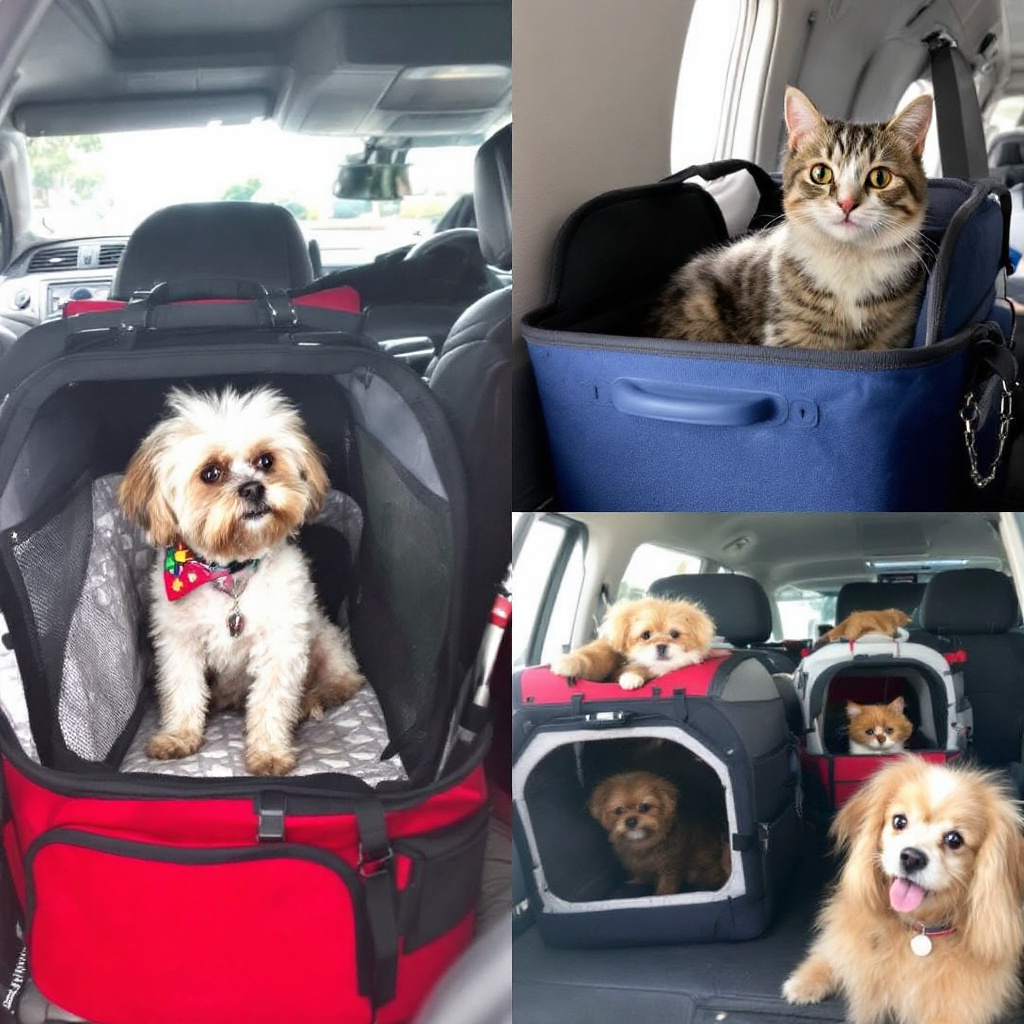
Transport options for pets: Safe and comfortable journeys for your furry friends
Anyone who has ever seen the passionate eyes of their four-legged companion will understand that pets are more than just animals; they are family. This raises the question of how to take your beloved pets with you safely and comfortably when travelling. Whether you're going on holiday, moving house or just visiting relatives for a short break, choosing the right transport option for your pet is crucial. Well, buckle up as we take you on a journey through the different pet transport options available.
The road trip: travelling by car
Did you know that, according to a survey, over 60% of pet owners regularly take their pets with them in the car? This is hardly surprising, as the car offers flexibility and comfort. But there are a few things to bear in mind when travelling to the park for a walk or to the vet clinic.
- The right transport box: A stable and well-fitting crate is a must. For larger dogs, a sturdy safety harness especially for pets is suitable.
- Shade and ventilation: Make sure that enough fresh air can circulate and that the car is parked in the shade.
- Plan breaks: Regular stops are important so that your pet can stretch its legs, top up its water or do a quick shop.
Take to the skies: flying with pets
Flying can be stressful for many pets. The background noise at the airport, the cramped conditions in the aircraft - it can make you feel queasy. But with the right preparation, the flight becomes a breeze.
The first thing to do is to study the airline guidelines. Some airlines allow pets in the cabin, while others only allow them to be transported in the air-conditioned cargo hold. Make sure that your transport box complies with IATA regulations.
- Preparation is everything: Get your pet used to the transport box early on. This will make it more familiar and less threatening.
- Documents: Always have the necessary documents to hand, such as vaccination certificates or health certificates.
- Safety first: Bear in mind that travelling by air is not suitable for every species or breed of animal. Make sure you are well informed and speak to your vet if necessary.
Alternative routes: Animal transport companies
Don't have a car and the aeroplane is out of the question? No need to panic! Professional pet transport companies, such as PetAir or others, offer safe and specialised transport options for pets.
The advantages of these services are manifold: trained staff often look after the welfare of the animal passengers. In addition, most vehicles are equipped with the latest technology to control temperature and humidity.
- Simplified planning: These services relieve you of a lot of organisational stress.
- Flexibility and experience: You benefit from the routine of the professionals - and the pets benefit from less stress.
- Create a connection: Some companies even offer a live broadcast so that you can keep an eye on your pets while travelling.
Tips for a relaxed journey
It's a misconception to think: „It's just the transport.“ Because transport is an essential part of the journey and it's worth paying attention to the details.
How about a favourite toy or a familiar blanket to make your pet feel at home? Small treats can work wonders while travelling. And don't forget: no excessive amounts of food before travelling - less is more to avoid motion sickness!
Conclusion: well-considered travelling
Transport options for pets are as varied as the pets themselves. Whether by car, plane or professional services - with planning, preparation and the right choice, every journey becomes a positive experience for people and animals. And remember: a carefully arranged journey is the best gift for our furry friends.
Now all that's left to do is have a safe journey! And don't worry - thanks to these tips, you'll overcome the hurdle of transporting your pet with flying colours.
FAQs on transport options for pets
What is the safest way to transport pets in the car?
The best way to transport pets in the car is to use a specially designed safety box or harness. Secure the transport box in the back seat or in the boot. Make sure your pet is protected from sudden movements and ensure adequate ventilation.
What should I bear in mind when flying with pets?
When flying, you should ensure that your pet is travelling in an IATA-certified transport box. Check the airline's requirements in advance and make sure you have easy access to all the necessary documents, such as vaccination certificates. It's also important to get your pet used to the crate before the flight to minimise stress.
How much does professional animal transport cost?
The cost of professional animal transport varies depending on the distance and the specific needs of the animal. Prices for short distances are usually between €100 and €300, while longer distances can cost between €350 and €600. It is best to enquire directly with various providers for detailed quotes.
What alternatives are there if I can't transport my pet myself?
If you are unable to transport your pet yourself, pet transport companies are a safe alternative. These providers take care of door-to-door transport and use specialised vehicles. Some companies even offer services such as GPS tracking or live updates to reassure owners.
Is it possible to take breaks during transport on longer journeys?
Yes, breaks should be taken regularly on long journeys to give your pet the opportunity to exercise and relax. If you are working with a professional service provider, make sure that such breaks are included in the service.