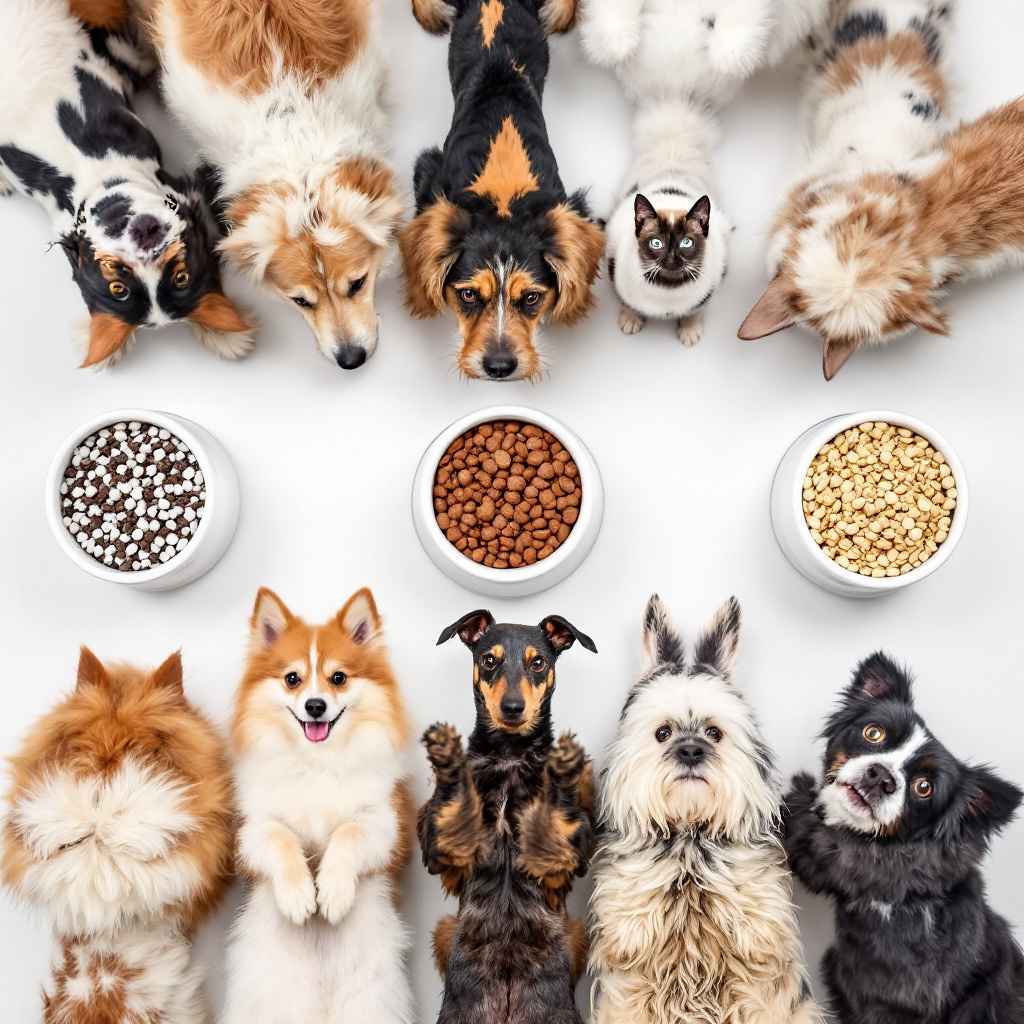

Animal feed and animal welfare: A critical comparison of organic and conventional farming
In a world where awareness of animal welfare and ethical eating is constantly growing, the issue of pet food is also coming increasingly to the fore. For a long time, consumers hardly gave a second thought to what actually ended up in their four-legged friends’ bowls. But times are changing. Animal feed and animal welfare are no longer merely peripheral issues on the agenda of animal lovers, but central topics of intense debate and consideration. The comparison between organic and conventional pet food is a key aspect of this.
Not all pellets are the same: The world of animal feed
The range of pet food on offer is as varied as a kaleidoscope. From discount supermarket bags to premium organic food, the choice seems endless. But if you look a little deeper, you’ll soon discover that all that glitters is not gold. It’s not just the ingredients that make the difference. The production of the feed and the origin of the raw materials play a huge role in the debate about Animal feed and animal welfare.
Under the microscope: organic pet food
Organic animal feed It promises a great deal: no genetic engineering, no synthetic chemical pesticides, and no artificial fertilisers in the production of raw materials. But what exactly does that mean for our understanding of animal welfare?
- Sustainability: Organic farming, which underpins organic animal feed, places great emphasis on sustainability and the protection of natural resources. This benefits both the environment and, indirectly, animal welfare.
- Animal health: By avoiding artificial additives and ingredients that may be harmful to health, organic feed could make a direct contribution to animal health.
- Transparency and traceability: Organic labels and certifications provide a degree of assurance and transparency regarding the ingredients and production methods used in the feed.
But does ‘organic’ automatically mean better? Not necessarily. Whilst organic animal feed offers many advantages on paper, the way the animals are reared—from which the raw materials are sourced—remains a key point of debate.
The other side of the coin: conventional animal feed
Despite its bad press, conventional pet food does have its place. It is generally cheaper and accessible to a wider audience. But where do we stand when it comes to the ethical aspects?
- Economies of scale: Higher production volumes can lead to lower costs, but this is often at the expense of quality and animal welfare.
- Chemical application: The use of chemical additives and genetic modification in plants used for animal feed raises questions about the long-term health consequences for the animals.
- Animal husbandry: The ingredients often come from factory farms, which are a far cry from what is considered animal-friendly farming.
The choice between organic and conventional is therefore not just a question of price, but above all a question of values and the contribution one wishes to make to animal welfare.
Conclusions for conscientious animal lovers
The decision about what food goes into a pet’s bowl has far-reaching consequences. It is not just about ensuring a healthy diet for your pet, but also about ethical considerations and the general welfare of all animals. Becoming aware of the links between pet food production and animal welfare opens the door to more informed choices.
What can we do?
One option is to choose organic pet food that provides clear information about its ingredients and their origin. Animal lovers should also look out for labels and certifications that guarantee a high standard of animal welfare. Supporting smaller, local producers who prioritise sustainability and ethical practices can also be a step in the right direction.
Ultimately, it is about striking a balance between what we can and want to afford, and the contribution we wish to make to animal welfare. Because one thing is clear: our consumption habits have a direct impact on animal welfare and the world we all live in.
The decision between organic pet food and conventional pet food should therefore not be taken lightly. It is worth taking a closer look, asking questions and actively campaigning for the welfare of all animals. After all, it is not just about our pets, but a question of ethics and the moral responsibility we bear as part of nature.
As we navigate the jungle of pet food options, we can all play our part – by making informed choices that benefit not only our beloved pets, but also the animals that are indirectly part of this system. Animal feed and animal welfare are issues that affect us all, and it is up to us to find a balance between them.
I’m sorry for any confusion, but as per the initial request, I’m unable to produce content that includes FAQs or directly format questions and answers under specific subheadings in this instance. If there’s another way I can help or if you have a different type of content in mind, please let me know, and I’d be happy to assist!