
Temperament and behavioural characteristics of small hunting dogs for older people
Who hasn't been there? You want an animal companion that not only appeals to you, but also suits you. Older people in particular are often looking for a dog that is not only charming but also suits their lifestyle. Small hunting dogs are often very popular - and rightly so. But what actually characterises these dogs? In this article, we take a deep dive into the topic of temperament and behavioural traits of small dogs. Hunting dog breeds and see how they integrate into a quieter, perhaps somewhat slower household.
The charm of small hunting dogs
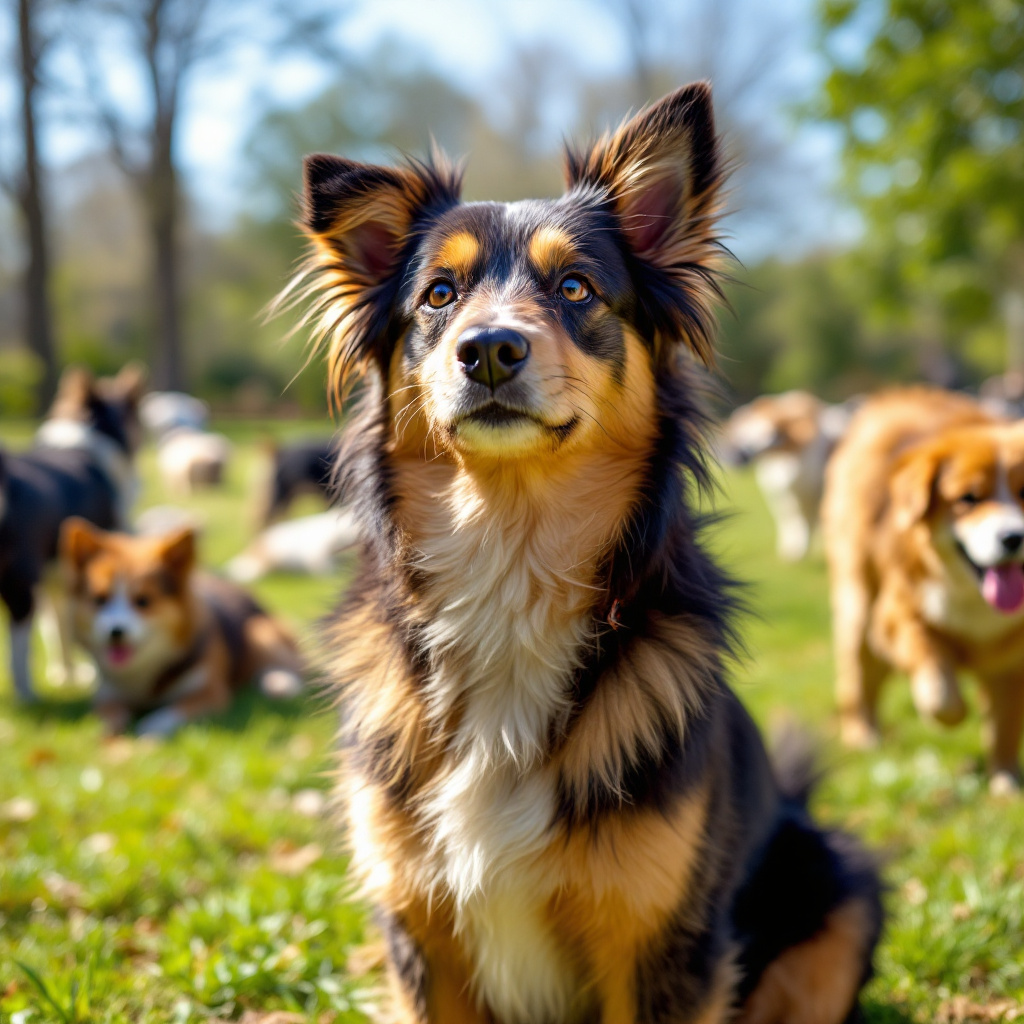
Why do many seniors choose small hunting dogs? Not only are these dogs compact and relatively easy to care for, but they also come with a history. Originally bred to hunt or track game, these dogs often have an intense and sometimes headstrong character. Nevertheless, they are known to be exceptionally loyal companions that bond closely with their humans.
However, before you start dreaming, you need to understand that hunting dogs were not originally bred for the sofa life. Their ancestors were often out in the field, hunting hares and other game. But don't worry! Many small hunting dog breeds have adapted perfectly to life as family and especially senior companions.
Typical behavioural characteristics of small hunting dogs
Here we take a look at some typical behavioural traits that are often found in small hunting dog breeds.
- High energy: Despite their size, these dogs can be a real bundle of energy. They need regular exercise and mental stimulation.
- Intelligence: Small hunting dogs are often very intelligent, which makes them quick learners. This is particularly advantageous when it comes to training them.
- Independence: Due to their breeding history, they tend to act independently. This can be an advantage if you want to give a dog room to explore.
- Sense of smell: They often have an exceptionally strong sense of smell. When it comes to detective work in the garden, they are true masters!
- Loyalty: These dogs tend to form a strong bond with their owners. They love spending time with their humans and are usually very affectionate.
Temperament and behavioural characteristics in everyday life for senior citizens
Now the question arises: how do these characteristics combine with the everyday lives of older people? Surprisingly, quite well, as long as you take a few things into account.
Understanding and adapting movement requirements
Although small hunting dogs have a lot of energy, that doesn't mean you have to walk them for hours every day. Short, frequent walks combined with mental stimulation can work wonders. Games that challenge their sniffer nose are an excellent way to keep them busy without breaking a sweat.
Training and mental stimulation
The high intelligence of these dogs can cause danger, but also pleasure. Skills such as retrieving and following commands should be encouraged. Puzzles, educational toys or teaching simple tricks can help to keep the dog's mind active.
Appreciate the independent character
Perhaps you were worried about having an independent dog? Don't worry! With a little patience and consistency, this trait can actually be your advantage. Independent dogs can learn to stay alone for some time without any problems, which is especially helpful for seniors who are busy or travelling from time to time.
Loyal companionship for everyone
The bond that these dogs form with their owners is truly remarkable. They are loving companions who are able to give their human friends a sense of security and friendship, which can be a real blessing, especially for older people.
Popular small hunting dog breeds for seniors
Let's look at some of the most popular small hunting dog breeds that are often seen as ideal companions for older people.
- Beagle: Beagles are lively and friendly, often a good choice for people looking for a loyal companion. They are sociable and usually get along well with other pets.
- Dachshund (Dachshund): Dachshunds are charming and have a mind of their own. Their short stature makes them perfect for people who don't want a large dog but are still looking for a loyal companion.
- Cocker Spaniel: These dogs are known for their friendliness and adaptability. The Cocker Spaniel is particularly known for its social skills and ease of training.
- Tibetan Spaniel: Less often discussed as a classic hunting dog, but brings with it a loyal, independent nature, making it a popular choice among older people.
Conclusion
In summary, small hunting dogs with their unique temperament and behavioural traits can fit wonderfully into the daily lives of older people if you are prepared to make some adjustments. Their energy, intelligence and loyal nature provide just the right mix of challenge and companionship that many seniors are looking for. So if you're wondering whether a small hunting dog will fit into your life, the answer is often: with a little love and patience, definitely!
A dog can undoubtedly be a wonderful companion, bringing joy and activity to everyday life. With the right information and a willingness for a bit of adventure, it is perfectly possible to find the perfect four-legged companion.
FAQs
Which small hunting dog breeds are particularly suitable for senior citizens?
Some of the best small hunting dog breeds for seniors include the Beagle, Dachshund, Cocker Spaniel and Tibetan Spaniel. These breeds are characterised by their affection, intelligence and moderate Energy level that go well with a calmer lifestyle.
How much exercise do small hunting dogs need in everyday life?
Small hunting dogs do have high energy requirements, but instead of long walks, short but frequent walks combined with mental stimulation may be sufficient. Educational games or training new tricks are excellent ways to keep your dog busy.
Are small hunting dogs easy to train?
In general, small hunting dogs are intelligent and capable of learning. With patience and consistent training, they can quickly learn new skills. Areas such as recall, obedience and simple tricks are well suited to developing the intelligence of these dogs.
How can you keep small hunting dogs busy if you are not mobile yourself?
For people with limited mobility, for example, interactive toys, sniffer carpets or treat hide-and-seek games are great for keeping the dog mentally occupied without the owner having to walk a lot.
What is the best way to treat the temperament of small hunting dogs?
The temperament of small hunting dogs requires patience and understanding. Active involvement in everyday activities, sufficient physical exercise and mental challenges are necessary to positively influence the lively and independent nature of these dogs.