Rats and mice as loving pets: social behaviour and interaction
The idea of rats and mice as pets may raise a few eyebrows. These little rodents often have a bad reputation in society, but let’s put our preconceptions aside and delve into the fascinating world of these animals’ social behaviour and interactions.
An Introduction to the Social Structures of Rats and Mice
Rats and mice are naturally social animals. In the wild, they live in complex, hierarchical societies. These social systems are not only crucial to their survival, but also to their well-being. In animal husbandry, this social behaviour can be translated into positive interactions with humans, but how this works is perhaps not so obvious.
Rats as social treasures
Rats are incredibly social creatures. Within a group, they establish clear hierarchies, spend a lot of time grooming one another, and display an astonishing range of emotional expressions. To encourage social behaviour and interaction with rats, the following tips may be helpful:
- Personal care as a bonding experience: Rats love to groom each other. If you allow them time to spend together, this will have a positive effect on their bond.
- Games build trust: Rats are curious and playful. Simple games where they have to search for food inside toys help to boost their intelligence and build trust.
- Gentle approach: Guess what! A calm, gentle voice soothes the rats and helps build trust.
Interactions with these animals are not one-sided — they recognise their owners, regard them as part of their „group“ and actively interact with them, provided a foundation of trust has been established.
Clever mice: small relatives with big hearts
Mice, those small, often overlooked creatures, are also social animals that exhibit dynamic interactions within their groups. Their bonds with fellow mice are based on scent marking and mutual grooming, which enable them to live together harmoniously. But how can their social behaviour and interaction with humans be improved?
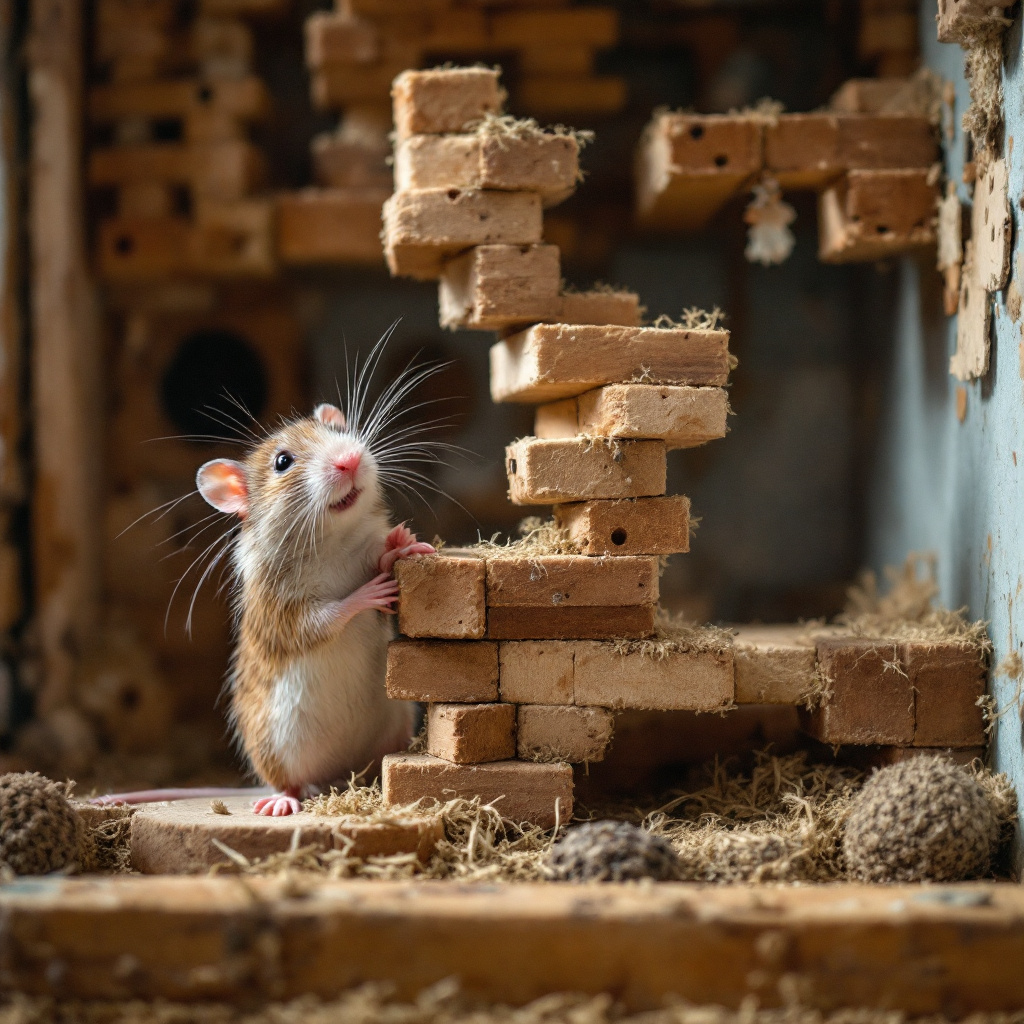
- Creating an animal-friendly environment: Mice love mazes and hiding places. These encourage their natural curiosity and help them stay stress-free.
- Regular, affectionate contact: The more time you spend with them, the more they will get used to your presence and develop positive associations.
- Patience is the key: They are little creatures who need time to build trust. With patience and gentle touches, you can form amazing bonds with them.
A pet mouse often seeks contact and bonding, so it is important to give them plenty of time and attention. This not only strengthens their bond with one another, but also their bond with the people who look after them.
Social behaviour and interaction: the impact on well-being
A key aspect of the welfare of rats and mice kept as pets is the physical and emotional environment created by their human owners. A safe, clean and enriched habitat is essential, but it is equally important to understand and encourage their natural social behaviour.
Simple activities such as providing a variety of toys, increasing interaction through training sessions, or mealtimes during which the animal is encouraged to interact can make a big difference. The bond formed through positive interaction and social behaviour affects not only the emotional but also the physical health of these wonderful animals.
Overcoming Prejudice: Rats and Mice as Loving Pets
Yes, rats and mice still have to contend with stereotypes and prejudices in many people’s minds. But those who show the courage and willingness to view these animals not merely as „rodents“, but as potential companion pets, are rewarded with a glimpse into a world full of complex social interactions and unconditional affection. They are more than just pets — they are equal partners in their household, deserving of nothing less than respect and affection.
Surrounded by such a harmonious environment, combined with an understanding of their social structure that is in tune with nature, rats and mice thrive as pets. They show us that love and bonding are not based on size or species, but on understanding and empathy.
FAQs
What is meant by social interaction?
Social interaction is a specific form of social action. It possesses all the characteristics of social action, but requires that all the actors involved coordinate their actions with one another. It is usually a temporary aspect of social action.
What are some examples of interactions?
Examples of interactions include body language, facial expressions, gestures, the content of conversations, emotions and cognitive processes. Processes of intimacy and exchange are also key components. Various theories explore how these phenomena arise and function within interactions.
What does interacting with people mean?
Interaction with people describes a reciprocal relationship that arises from direct or indirect contact between two or more individuals. It encompasses the sum of what takes place between people in terms of action and reaction.
How can we improve interaction with rats and mice?
Interaction with rats and mice can be improved through regular engagement, gentle interaction and activities that encourage their natural curiosity. Patience and positive reinforcement are key to forming a deep bond.
What role does social interaction play in the lives of rats and mice?
Social interaction is essential for the well-being of rats and mice. It enables the formation of hierarchies, strengthens group bonds and reduces stress. In pet ownership, it helps to promote harmonious coexistence with their owners.