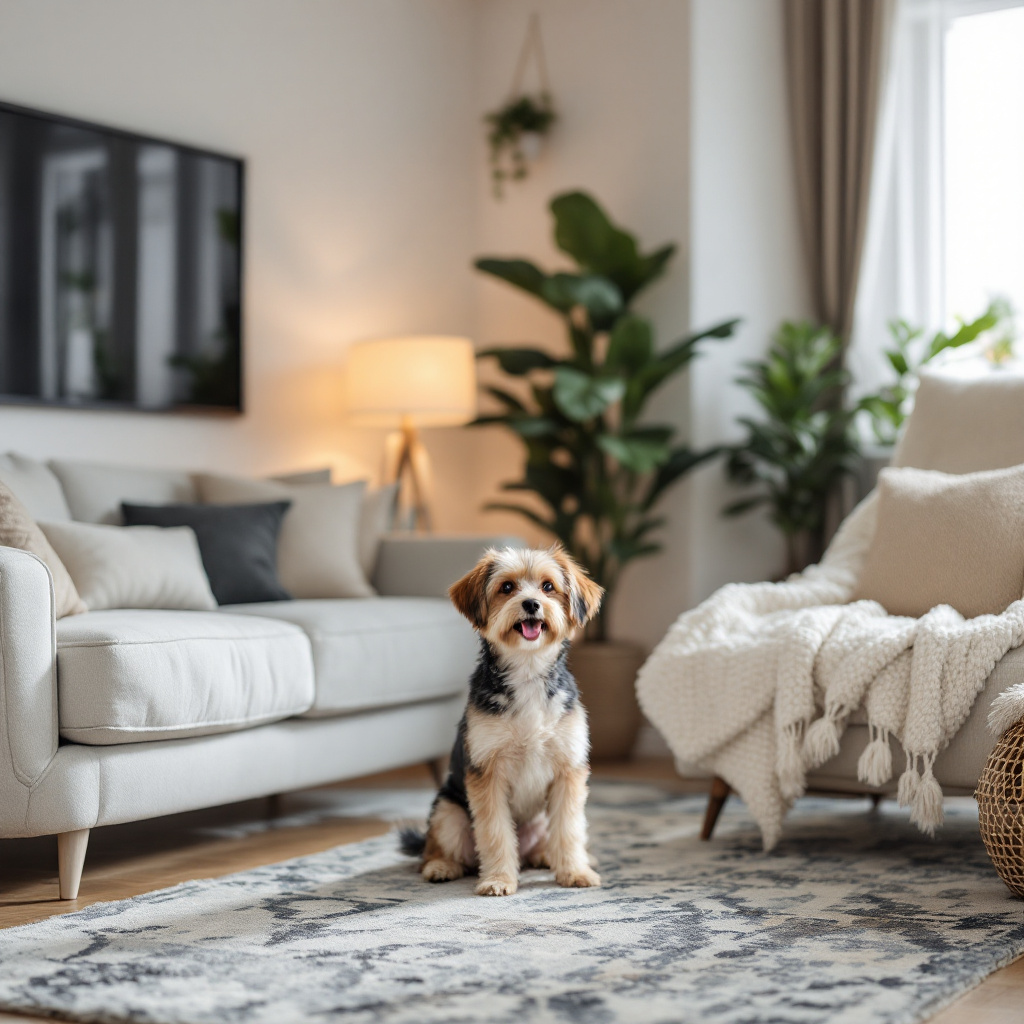

Care and health needs for small hunting dogs in old age
Ah, the faithful companion at our side - the little hunting dog. It often seems as if these lively four-legged friends never get any older. But at some point, the ravages of time also catch up with our nimble hunting partners. As our snuffling friends get older, their care and health needs change. Let's delve into the world of older hunting dogs and find out how we can make their golden years as pleasant as possible.
Special care requirements for older hunting dogs
Older hunting dogs have special care needs that go beyond the typical requirements they fulfilled in their youth. When the gait becomes somewhat stiffer and the hunting rounds shorter, we should be particularly attentive.
- Joint problems: Osteoarthritis is not uncommon in older dogs. A comfortable sleeping pad or dog bed can prevent pressure points and protect the joints. Food supplements such as glucosamine and chondroitin are also useful.
- Dental check: With age, dental problems such as periodontal disease can develop, causing hunting dogs to refuse to eat. Regular dental care is therefore essential.
- Regular coat care: Especially if the dog hunts outdoors, regular brushing can help to prevent matting and keep vermin away.

Health requirements and veterinary examinations
While younger dogs often only need to visit the vet for vaccinations, older hunting dogs often require more intensive care. Regular visits to the vet help to recognise age-related illnesses at an early stage. Care and health needs change with increasing age.
- Annual blood tests: These help to monitor the general state of health and recognise any problems such as kidney or liver problems at an early stage.
- Weight control: Being overweight can put additional strain on the joints. Make sure your dog has a balanced diet and is at the ideal weight!
- Eye checks: Diseases such as cataracts or retinal degeneration are common in older dogs. An early eye check can help to prevent these.
Nutrition - No standardised mash for old hunting dogs
„A man's stomach is a monster“, as the saying goes, but a balanced diet is also essential for our little hunting friends. Age-appropriate dog food supports the metabolism and prevents deficiency symptoms.
What to consider:
- Reduced calorie requirement: As older dogs are less active, they should not be given too many calories in order to avoid obesity.
- High protein feed: Even in old age, dogs need good sources of protein for muscle maintenance.
- Adjust meal times: Older dogs often benefit from several small meals a day instead of one large meal.
Vital and healthy through exercise
„Never sit still, not even when retired“ could be the mantra of our little hunting dogs. Despite their age, they still need exercise. However, care must be taken to ensure that the training is adapted. These tips will keep the walk enjoyable for your older hunting dog:
- Adapted walks: Shorter but more frequent walks are often better than long tours.
- Choose level routes: Avoid steep or slippery paths and choose flatter routes.
- Brain training: Mental exercises and intelligence games ensure that the mind remains alert.
Together through the golden years
An older hunting dog is certainly not an old burden, but a valuable companion in new phases of life. With the right care and attention to their special health needs small hunting dogs lead a fulfilling and happy life even at an advanced age. So all that remains is to embrace the new challenges and savour the warm memories they give us. „If you have a dog, you live three years longer“, they say - and we are more than grateful for every year we have a hunting dog!
FAQs
Q: How do you properly care for the coat of an older hunting dog?
A: Older hunting dogs often have more sensitive skin and a drier coat. Regular brushing helps to remove dead hair and dander and stimulate the skin. Use a gentle brush and a mild, moisturising dog shampoo specially formulated for older dogs to avoid skin irritation.
Q: What health risks should be particularly taken into account with older hunting dogs?
A: Older dogs often have joint problems such as arthritis, heart problems, kidney failure and dental disease. Regular visits to the vet are crucial to recognise and treat these diseases early.
Q: How often should an older hunting dog visit the vet?
A: An older hunting dog should visit the vet at least twice a year. Comprehensive examinations can be carried out to monitor the state of health and treat any health problems that may arise in good time.
Q: Can a special diet help the older hunting dog?
A: Yes! An age-appropriate diet with reduced fat content and high-quality proteins can help prevent obesity and maintain muscle mass. Many foods for seniors are also enriched with antioxidants and omega-3 fatty acids to promote joint and heart health.
Q: What role does exercise play for older hunting dogs?
A: Exercise is important to maintain mobility and quality of life. It can help to minimise joint stiffness, control weight and promote mental stimulation. Adjustments in the intensity and duration of movements help to meet individual needs.