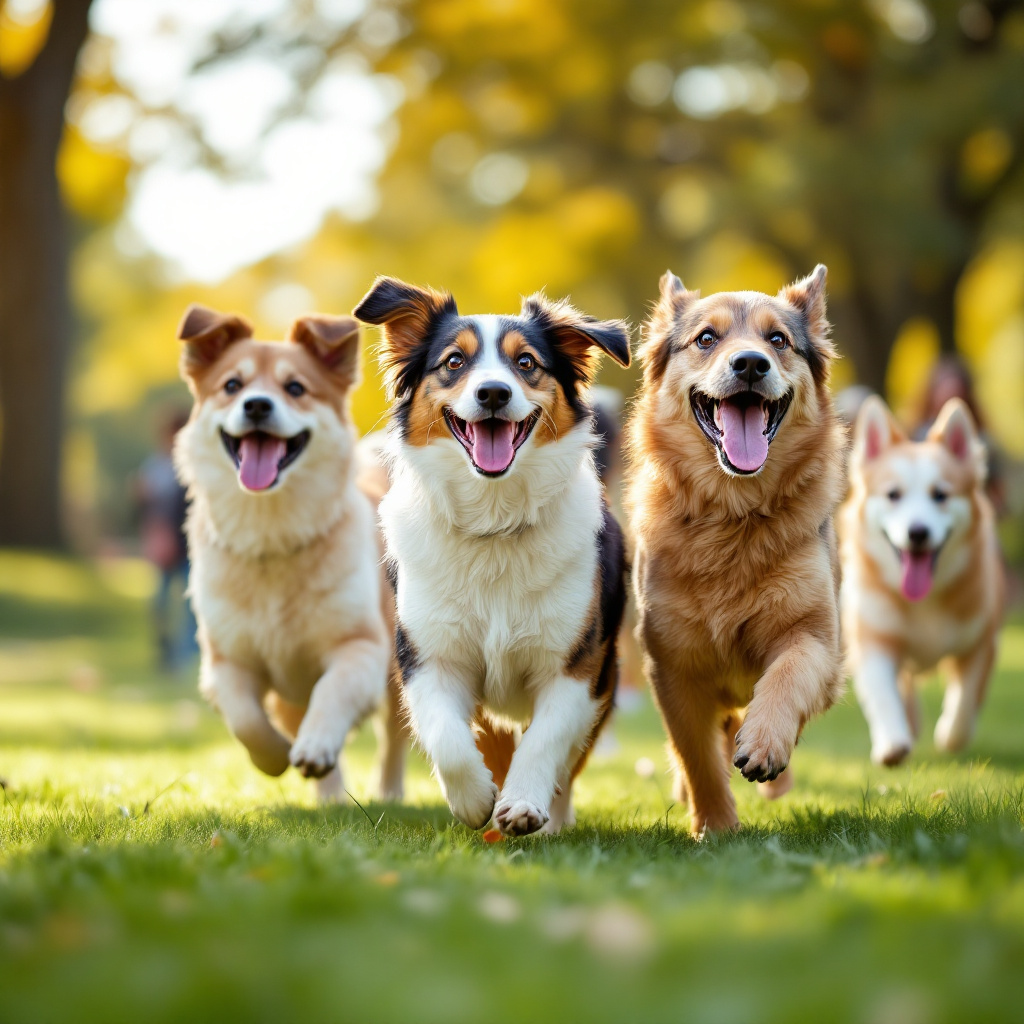

Buying, caring for and feeding small hunting dogs: A comprehensive guide
There are few more exciting endeavours than buying a small hunting dog. Whether you're looking for a new hunting companion or simply want to add a loyal friend to your family, a small hunting dog may be just the thing for you. But before you take this important step, there are a few things to consider - from choosing a reputable breeder to the care and feeding of your new furry friend. Let's dive into this exciting world of small hunting dogs!
The purchase of a small hunting dog
The first step in your journey is buying a small hunting dog. This is not only an emotional decision, but one that requires careful planning and research. Here are a few things you should consider:
- Research the breeds: Some breeds are better suited to hunting than others. Find out more about the different breeds, their temperament and physical characteristics. Popular small Hunting dog breeds are, for example, the beagle and the spaniel.
- Search for reputable breeders: A reputable breeder can make a huge difference to your dog's health and behaviour. Look out for breeders who are members of recognised breeding associations and have good ratings.
- Dog health and genetics: Find out about the genetic history and health status of the parents. A good breeder will be able to provide health certificates showing that the parents are free from Hereditary diseases are.
The care of small hunting dogs
Now let's move on to caring for your new companion. Small hunting dogs are not only known for their ability to work, but also for their energy and playfulness. To ensure that your dog stays healthy and happy, you should follow the care instructions below:
Regular exercise
Small hunting dogs need a lot of exercise. They are active animals that love to run and play. Regular walks and playtime are essential to satisfy their need for exercise. Remember that a busy dog is a happy dog!
Coat care
Grooming varies depending on the breed. While some small hunting dogs, such as the Beagle, are relatively low-maintenance, breeds such as the Spaniel require regular brushing to prevent matting and tangling. Skin problems to be avoided. A visit to the groomer every few months can also do no harm.
Preventive health care
Vaccinations, worming and regular visits to the vet are essential. You should also make sure that your dog is regularly checked for parasites such as fleas and ticks, especially if it spends a lot of time outdoors.
The right diet for small hunting dogs
The right diet plays a decisive role in the health and performance of your small hunting dog. A balanced and high-quality diet can significantly improve your dog's quality of life. Here are some tips for feeding your small hunting dog:
Balanced diet
A small hunting dog's diet should be balanced and rich in nutrients. Here are the main components of a healthy dog diet:
- Protein: Protein is the most important component of a dog's diet and helps to build and repair tissue. High-quality protein sources include chicken, beef and fish.
- Carbohydrates: These provide the energy you need. Wholemeal products such as brown rice and oats are good sources.
- Fats: Healthy fats are important for your dog's coat and skin. Fish oil and linseed are excellent sources.
- Vitamins and minerals: Fruit and vegetables provide important vitamins and minerals. Make sure you eat a varied diet that also includes vegetables such as carrots and sweet potatoes.
Feeding times and portions
Feeding times and quantities should be adapted to your dog's age, size and activity level. Young dogs need smaller meals more often, while adult dogs can manage with two meals a day. Do not overfeed your dog, as obesity can lead to health problems.
Special food for hunting dogs
There is special dog food that is tailored to the needs of hunting dogs. These foods often contain additional proteins and fats to cover the increased energy requirements. Ask your vet for recommendations for special hunting dog food.
Always fresh water
Make sure your dog always has access to fresh water, especially after intense activity. Water is essential for all bodily functions and helps to maintain good health.
Conclusion
Buying, caring for and feeding small hunting dogs requires attention and dedication, but the reward in the form of a loyal and lively companion is priceless. With the right preparation and care, you can ensure that your small hunting dog leads a happy and healthy life. So, what are you waiting for? The perfect four-legged friend may already be waiting for you!
FAQs
What should hunting dogs eat?
Dogs - and therefore also your hunting dog - are not pure carnivores, but omnivores. In addition to high-quality animal ingredients, plant-based components should therefore also be part of the diet to ensure it is balanced. Fibre serves to maintain the intestinal motor function.
How much does a fully trained hunting dog cost?
3,086.41 are the one-off costs during the life of a four-runner. They arise from the purchase (€ 704.46), preparation for examinations (€ 692.67), examination fees (€ 252.55), travelling expenses (€ 597.7), towing (€ 112.81) and training equipment and dog accessories (€ 640.78).
What does a good hunting dog cost?
The purchase price of a hunting dog starts at around 500 euros. If you buy an already trained hunting dog, the price increases even more.
What does a hunting dog need?
Furthermore, the dog should have the following characteristics and abilities in order to be admitted to the test:
- Ability of social categorisation
- Natural tranquillity
- Joy at work
- Toughness in use, dosed game sharpness
- Proper conduct
- Strength and endurance