
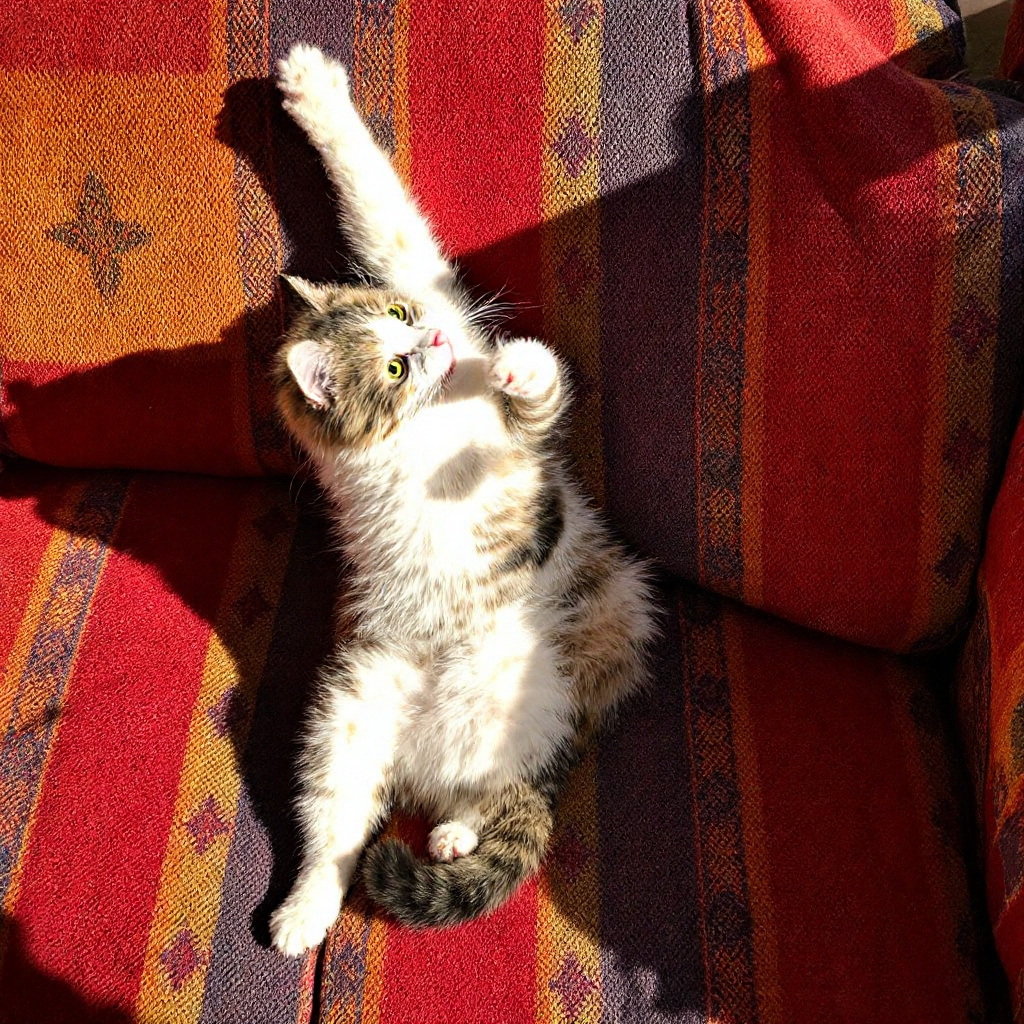
Understanding cat behaviour: How to stop cats scratching furniture
If you have cats, you know that they are just as fascinated by the world as we are. But this fascination can sometimes manifest itself in ways that put our furnishings at risk. Furniture that was once spotless can quickly fall victim to a scratching feline. To prevent this and learn to understand cat behaviour, let’s take a look at why cats scratch and how to break them of this habit.
Why do cats scratch in the first place?
Scratching is a fundamental part of a cat’s behaviour. It is not an act of defiance or revenge, but an expression of natural instincts. Here are a few reasons why your cat might be sharpening its claws on furniture:
- Claw care: Scratching removes old, worn parts of the claws, revealing healthy, sharp claws.
- Marking their territory: Cats have scent glands in their paws. When they scratch, they release pheromones and leave visible marks to mark their territory.
- Stretching and muscle training: A good scratch allows them to stretch their muscles and exercise their joints.
How does scratching affect behaviour towards furniture?
Cats that mark their territory often focus on a particular piece of furniture. However, if you want to understand cat behaviour, it is important to realise that there are ways to redirect this behaviour. If you know the reasons behind the scratching, you can take steps to both meet your cat’s needs and protect your furniture.
Effective ways to stop cats from scratching furniture
It is easier and far more effective to redirect a cat’s behaviour than to suppress it completely. Here are some tried-and-tested strategies for putting a stop to unwanted scratching:
1. Provide opportunities for scratching
Provide your cat with alternatives that are more appealing than your furniture:
- Invest in several scratching posts and mats to place in different spots around the house.
- Try out a variety of materials and textures to find out which surface your cat prefers.
- Encourage your cat to use new scratching surfaces by placing toys or catnip on them.
2. Use of repellents
To make furniture less appealing to cats, you can try the following methods:
- Sprays with citrus scents are said to be repellent to cats and can be sprayed onto furniture.
- Applying double-sided adhesive tape to the affected areas can temporarily deter cats, as they dislike the sticky sensation.
3. Rewards and positive reinforcement
Positive reinforcement is key to helping your cat learn the new behaviour:
- Praise and reward your cat immediately after it has used a scratching post.
- Create a playful environment around the scratching posts to make them more appealing.
Patience and understanding are key
To truly understand cat behaviour, it is essential to be patient. Cats are headstrong creatures, and changes in their behaviour take time. Try to see things from your cat’s perspective; this means recognising their needs and being willing to compromise.
show assertiveness
Show firmness without being aggressive. If a cat sees that its repeated scratching does not elicit the reaction it expects, it may stop sooner. Be consistent in your responses and encourage the behaviour you want to see.
Visit to the vet
Sometimes, excessive or unusual scratching can also be a sign of health problems. A visit to the vet can help rule out any underlying issues that might be affecting this behaviour.
Understanding cat behaviour for a harmonious home environment
Understanding cat behaviour is key to ensuring a harmonious relationship between humans and cats. If you know why cats scratch and provide them with ways to express this behaviour in a constructive way, you can reduce the likelihood of them treating your furniture as a scratching post. Remember: cats are instinctive and respond positively to alternatives that satisfy their natural needs.
With these tips and tricks, you can save your furniture whilst providing your cat with a structured, fulfilling environment. Adapting to what your furry friend likes best, whilst setting clear boundaries, is the golden rule for successfully sharing your home with your cat.
FAQs
What is the greatest sign of affection from cats?
The greatest proof of a cat’s love is the unconditional affection and trust it shows you. This can be expressed, for example, by the cat being affectionate, sleeping on your lap, rubbing its head against you or staring intently at you and occasionally blinking with both eyes.
What does 'no' mean in cat language?
What does „no“ mean in cat language? The word „no!“ plays an important role in training cats. For example, if your cat is scratching the sofa or jumping onto the dining table and you want to stop it, say „no“ in a firm tone.
How does a dominant cat behave?
A typical trait of status-aggressive cats is that they resist any physical handling by humans. They want to be in control of their situation at all times, but above all they want to decide for themselves where they are.
Why do cats bring their owners gifts?
Cats are born hunters and often bring their owners „gifts“ in the form of prey to demonstrate their skills or show their affection. This seemingly brusque gesture is actually a sign of trust.
How can I tell if my cat is happy?
Happy cats typically display relaxed behaviour such as purring, gently closing their eyes, sleeping on their side or engaging in energetic play. The position of a cat’s tail – for example, raised and slightly curved – can also provide an indication of its contentment.