
Health problems in small cat breeds: What owners should know
Although small cats take our hearts by storm with their cute appearance and playful nature, they are unfortunately not always robust in nature. Health problems in small cat breeds are not uncommon and require our special attention. But don't worry! With the right knowledge and preventive measures, many of these problems can either be avoided or treated at an early stage.
Common health problems of small cat breeds
Anyone who brings a small four-legged friend into their home should keep an eye on specific health risks. Here is an overview of common complaints:
- Heart diseases: This includes hypertrophic cardiomyopathy, for example, which is particularly common in breeds such as the Sphynx.
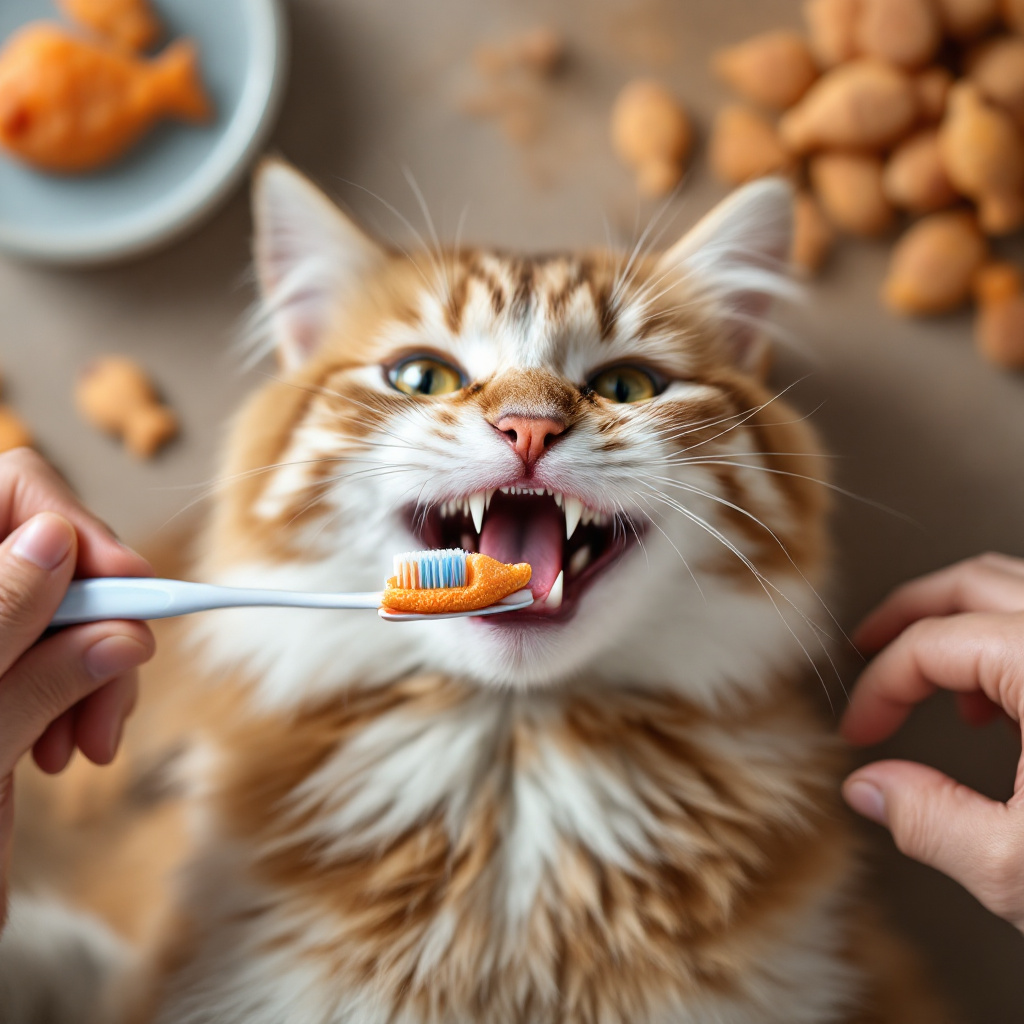
- Dental problems: Small breeds are often prone to dental and gum disease, which is often due to the close positioning of the teeth.
- Respiratory diseases: Breeds with a flat nose (brachycephaly), such as the Persian cat, suffer more frequently from breathing problems.
- Skin problems: Allergies and dermatitis are not uncommon and are often breed-related.
Prevention is the be-all and end-all
To Health problems in small cat breeds in the bud, preventive action is called for. Here are some tips to keep your velvet paw healthy:
- Regular vet visits are a must in order to recognise problems at an early stage.
- A balanced diet supports the immune system and prevents obesity, which in turn reduces the risk of diabetes and joint diseases.
- Dental care can minimise dental problems. Get your cat used to it early!
- Pay attention to your cat's genetic history, especially in the case of pedigree cats.
What symptoms should you look out for?
When it comes to your cat's health, it's important to be vigilant. Look out for signs such as:
- Changed eating or drinking behaviour
- Unusual sleeping behaviour
- Frequent vomiting
- Breathing problems or persistent coughing
- Weight loss or weight gain
These symptoms can indicate a variety of health problems. Do not hesitate to consult a vet if you notice any abnormalities.
The role of genetics and what you can do
Many of the health problems in small cat breeds are genetic. Even if you can't change this, there are ways to make the best of it:
- Find out about the breed and its specific health risks before buying a dog.
- If possible, choose a breeder who emphasises health checks and is transparent about genetic problems.
- Genetic tests can provide information about certain predispositions and help to plan preventive steps.
The right treatment: a glimmer of hope
Despite all precautions, it can happen that your cat becomes ill. In such cases, it is important to act immediately and seek the advice of a vet.
Nowadays there are numerous treatment options - from drug therapy and special diets to surgical intervention. A personalised treatment plan tailored to your cat's specific needs can work wonders.
In conclusion, it can be said that Health problems in small cat breeds can be challenging, but with the right knowledge, preventative measures and a pinch of love, they are manageable. This way, you can give your fluffy friend a long, happy life.
FAQs
Which pedigree cats are more susceptible to disease?
Are all cat breeds equally susceptible to Hereditary diseases? No, some breeds are more susceptible to certain hereditary diseases than others. For example, the Maine Coon breed is particularly prone to hypertrophic cardiomyopathy, while Persian cats often suffer from polycystic kidney disease.
Which cats are susceptible to diseases?
Certain breeds are particularly susceptible, including Maine Coon, Abyssinian, Siamese, Russian Blue and Burmese. The cause of renal insufficiency can be an infection, an autoimmune disease, high blood pressure or poisoning.
How does a sick kitten behave?
How do you recognise that a cat is ill? When cats are ill, they often withdraw, but some also suddenly become irritable and aggressive to conceal their weakness. Particularly common signs that your cat is ill are frequent drinking and a reduced appetite.
How do cats show that they are unwell?
Is your cat limping, having trouble jumping, suddenly staggering, not wanting to move at all, holding its head down permanently or flapping its tail more often? These could be signs that your cat is not feeling well.