
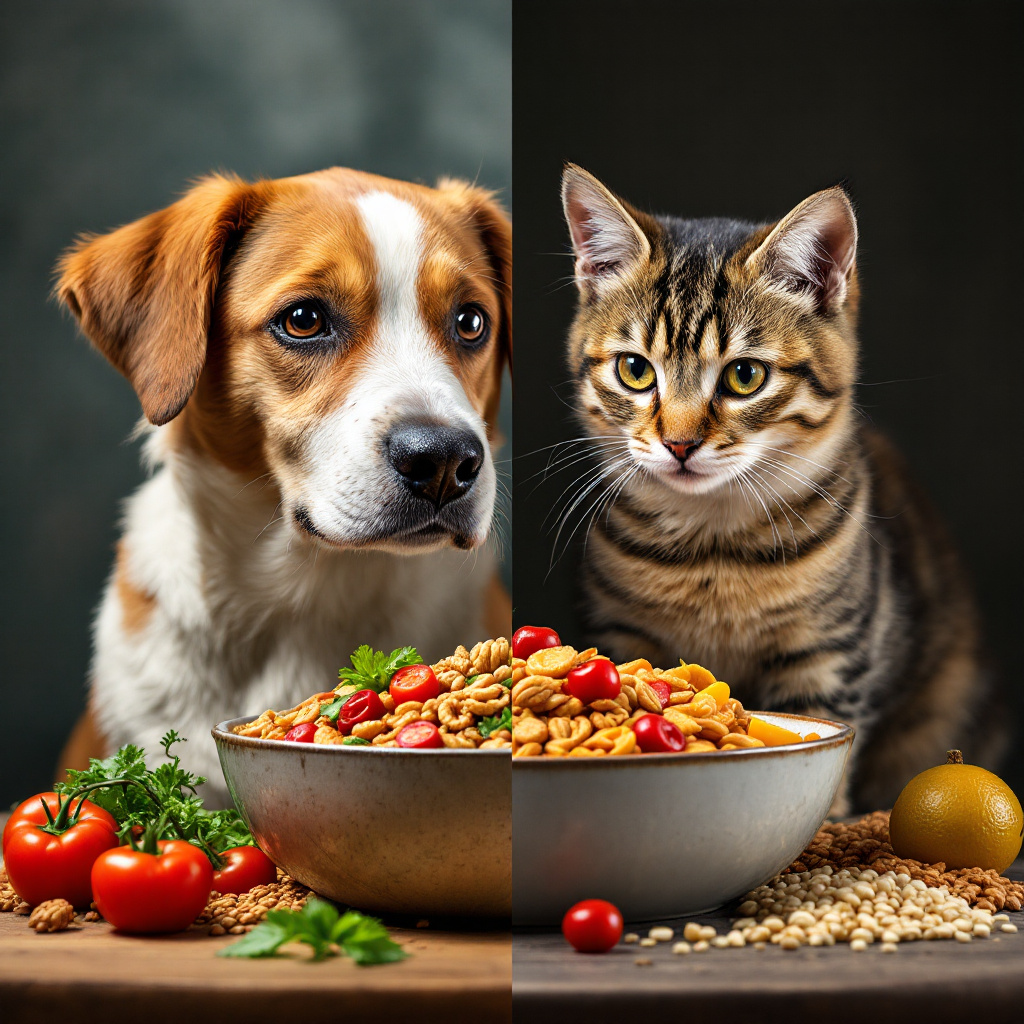
Food intolerances in pets: when food doesn’t taste good but causes discomfort
Our beloved pets – our dogs and cats – aren’t just masters at making us smile every day; they also have a sensitive digestive system that can sometimes play tricks on us. Sometimes our furry friend may suddenly seem less than their usual lively self or be struggling with itching. In many cases, the culprit lies on their plate: food intolerances in pets. But don’t worry, here you’ll find everything a caring pet owner could wish for to keep their purring or woofing friend healthy.
What are food intolerances in pets?
Food intolerances in pets are hypersensitivity reactions to certain food components. Unlike allergies, which involve the immune system, intolerances are usually enzymatic or chemical reactions. Put simply: the food sits heavy in the stomach, or the ingredient itself would be harmless if only the digestive system could tolerate it better.
A pet with a food intolerance may show symptoms such as:
- Chronic gastrointestinal problems (persistent diarrhoea, bloating, vomiting)
- Skin problems (flaking, itching, red patches)
- Ear infections
- Changes in behaviour due to feeling unwell
There you have it! Figuring out the cause is often an uphill struggle for pet owners. But it’s worth the effort, because the well-being of their beloved pets is at stake.
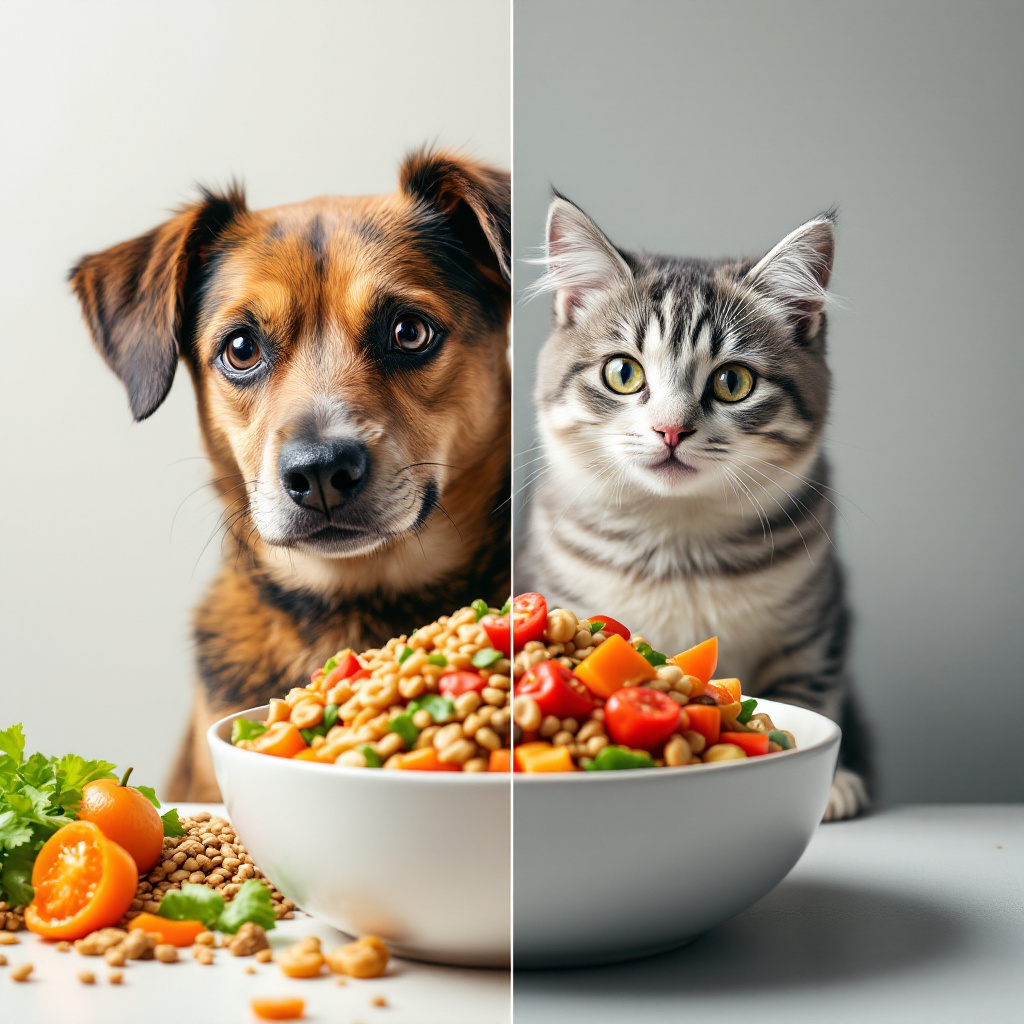
Common triggers of food intolerances in dogs and cats
It’s no secret that certain ingredients are more likely than others to cause problems. Here are some of the usual suspects you should keep an eye on:
- Beef: A popular protein source – great for us on the barbecue, but not so great for our four-legged friends’ stomachs.
- Wheat: Often found in dry food and a real gluten hero, but not one to be embraced warmly.
- Dairy products: Not all pets enjoy a nice piece of cheese. Many are lactose intolerant, just like some people.
- Chicken: Another common culprit in the food bowl.
But there is light at the end of the tunnel. Alternative ingredients are available to make life sweeter (rather than more difficult) for our furry friends.
Alternative ingredients for healthy snacks
Before you start feeling down, here’s some good news! There are plenty of delicious and healthier alternatives that your pet can enjoy without any worries:
- Sweet potatoes: Rich in fibre and vitamins. A true superfood hero!
- Quinoa: Less well known in dog and cat circles, but a fantastic gluten-free option.
- Duck and lamb: Great sources of protein for Schnauzers who have trouble digesting conventional meats.
By using such alternatives, food intolerances in pets can often be easily avoided. Creativity plays a key role when it comes to preparation.
DIY: Homemade healthy snacks
The best way to make sure your pet doesn’t have an adverse reaction is to make it yourself – figuratively speaking! With a little skill and time, you can whip up delicious snacks that even the pickiest of gourmets will love. Here’s a simple and tasty recipe that your furry friends will love:
Quinoa and sweet potato treats
Ingredients:
- 1 cup of cooked quinoa
- 1 medium-sized cooked sweet potato, mashed
- 2 tbsp natural peanut butter (no added sugar or salt)
- 1 egg
Preparation:
- Preheat the oven to 180°C.
- Mix the quinoa, sweet potato purée, peanut butter and egg together well in a bowl.
- Shape the mixture into small balls and place them on a baking tray lined with baking paper.
- Bake for about 25 minutes, until the treats are firm and lightly golden brown.
- Let it cool down, then pop it in the doghouse (or cat castle)!
With a homemade treat like this, you can be sure it’s good for your four-legged friend. What’s more, such thoughtful gestures will only strengthen the bond between you and your pet.
What to look out for when buying ready-made snacks
Of course, you can’t always do everything yourself. When life gets a bit too hectic, you might find yourself reaching for ready-made snacks. But even here, there are a few tricks to ensure you don’t serve your beloved pet anything it shouldn’t eat:
- Short and crisp: The shorter the list of ingredients on the snack, the better. That way, you can often spot the culprit straight away.
- High-quality ingredients: Avoid anything that sounds like a physics experiment – preservatives and flavour enhancers are a no-no.
- Hypoallergenic options: Many brands offer products specifically designed for people with food intolerances.
With little tricks like these, your pet will be well looked after, even during stressful times.
Conclusion: Less is often more
Feeding our pets may seem like a mystery, but it’s often easier than you might think. By paying close attention to the details and listening to the signals our furry friends send us, we can do a lot to support their well-being. Food intolerances in pets should not be seen as an obstacle, but rather as an opportunity to strengthen the bond and care we provide.
Ultimately, vets often recommend seeking professional advice if problems persist. After all, there’s no one-size-fits-all solution that works for every furry friend. But don’t panic: with patience and love, you can skilfully put an end to these intolerances and ensure a healthy and happy life for your pet!
FAQs
How can I tell if my dog has a food intolerance?
Itching is one of the most common symptoms, often affecting the ears or paws. It can also lead to scratching and licking of certain parts of the body, followed by swelling or skin oedema. Open sores, rolling and rubbing on the ground, as well as diarrhoea, flatulence and vomiting are also signs to look out for.
What are the symptoms of an intolerance in cats?
As with dogs, food intolerance in cats manifests itself through reactions of the immune system, which treats the trigger substance as if it were a pathogen. Typical symptoms include diarrhoea and itching. Ear infections are also common, and in rare cases, anaphylactic shock may occur. Keep a close eye on your cat and consult a vet if in doubt.
How quickly do food allergies manifest in dogs?
The speed at which symptoms appear can vary. Sometimes a reaction develops within hours of feeding the allergenic ingredient, whilst in other cases it takes days or even weeks for symptoms to become apparent. This often makes it difficult to identify a direct link between the food and the reaction.