
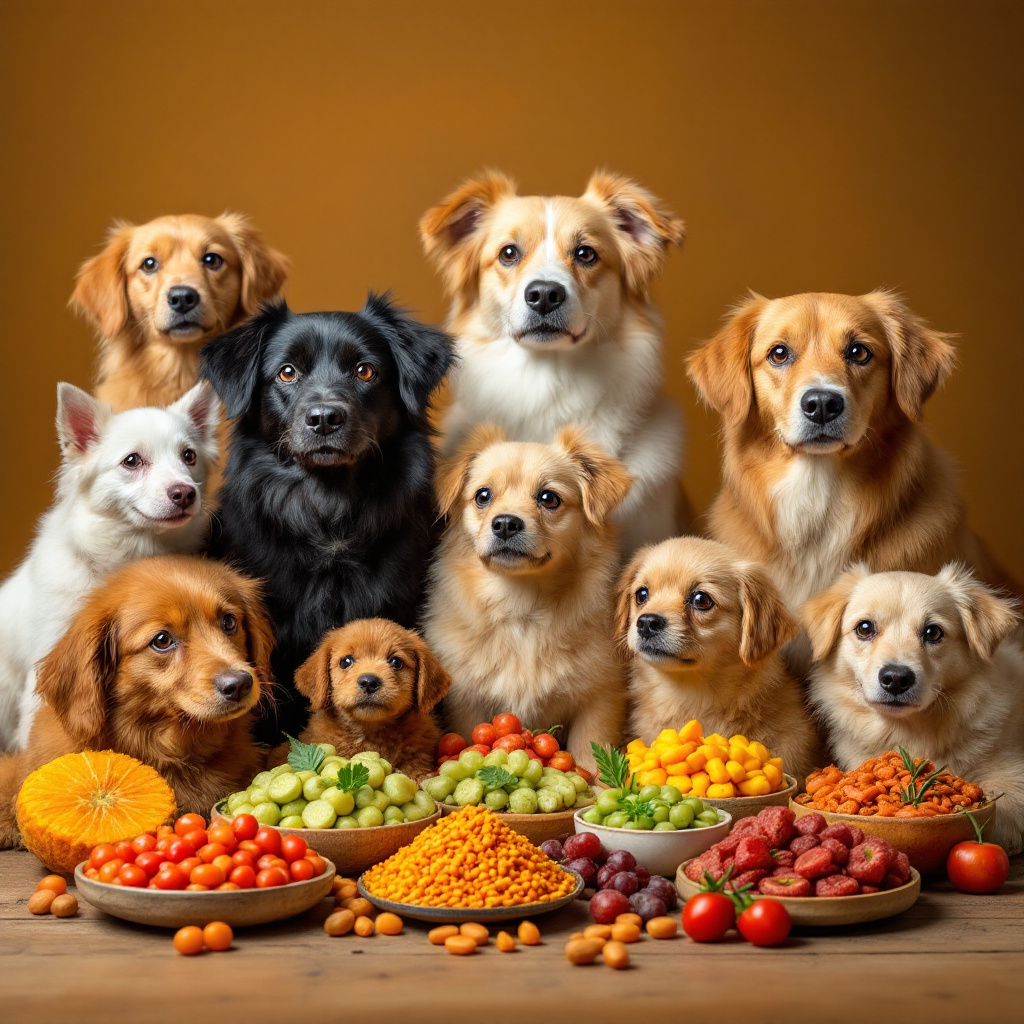
Nutritional requirements of rare dog breeds - A guide for discerning palates
When it comes to dog nutrition, there are many factors to consider. But what if you have a dog that belongs to a rare breed? That's when it gets really interesting! These loyal companions often have unique nutritional needs that go far beyond the standard rule of one bowl of food a day. In this blog post, we take a closer look at the special dietary requirements of rare dog breeds. Let's get to it!
Why rare dog breeds have special nutritional needs
Rare dog breeds are, as the name suggests, not commonplace. These dogs are not just eye-catching, they are often robust and full of personal characteristics. But their unique charm comes with specific requirements, especially when it comes to feeding. So why are they special in their diet?
- Genetic diversity: Some rare breeds have developed over centuries in special climates. These differences lead to a special metabolism that requires special nutrients.
- Activity level: Whether a lazybones or a bundle of energy - each breed has its own level of energy consumption that influences feed planning.
- Health problems: Certain breeds are more susceptible to genetic diseases, which can be mitigated by the right diet.

The basics of proper nutrition for rare dog breeds
Before we go into the details, we should remind ourselves of the basics of dog nutrition. Water, proteins, fats, vitamins, minerals and fibre - all essential! For rare dog breeds, there is one more element: specificity. Some of these breeds need certain types of food to stay vital and healthy.
Specific nutritional strategies for three unusual dog breeds
Let's jump straight into the subject with examples of three fascinating, rare dog breeds: Azawakh, Kyi-Leo and Catalburun. These dogs could not be more different, both in their appearance and in their needs.
The Azawakh - The loving desert runner
The Azawakh is a slender, elegant dog from West Africa, known for its speed and endurance. As a desert dweller, it has become accustomed to hot temperatures and requires an adapted diet to support its athletic body.
- Proteins: High-quality meat such as lamb or chicken is ideal to support his muscle mass.
- Fats: Fatty fish or linseed oil are excellent sources of fatty acids - important for their skin and coat!
- Water supply: Because they come from hot climates, it is crucial that they always have sufficient water available.
The Kyi-Leo - The fluffy supporting actor
A charming cross between the Lhasa Apso and Maltese, the Kyi-Leo is quite rare and has a penchant for an active family life. Despite its small size, it requires a balanced diet.
- Carbohydrates: Rice and potatoes provide slow-release energy - ideal for active little ones.
- Vitamins and minerals: Supplements such as calcium are important for their small but robust bones.
- Portion control: Not too much - these little guys tend to put on weight quickly.
The Catalburun - The hunting pro with an expressive look
Known for its unusual split nose, the Catalburun comes from Turkey and is a true hunting professional. Its diet should reflect this.
- Rich in protein: A protein-rich diet supports its energy and stamina when hunting.
- B vitamins: These are important for an active metabolism and should not be missing from the diet.
- Feeding frequency: Several smaller meals can help to keep your energy levels stable.
Common mistakes when feeding rare breeds
Oops, we all make mistakes, and when it comes to feeding, it can happen pretty quickly. But when we pay attention to the special nutritional needs of rare dog breeds, we have to be particularly vigilant:
- Unsuitable food: Commercially available food is not always the best choice. Specific breeds often require customised options.
- Lack of variety: Monotony in feeding can lead to a lack of nutrients.
- Don't listen to the dog: Changes in behaviour or Digestive problems could be an indication that something is wrong with your diet.
The need for customisation - an ongoing process
Now that you know more about the nutritional needs of rare dog breeds, it's important to continually adapt. A dog's health needs can change over time - whether due to age, activity level or health status. Regular consultation with a vet and observation of your dog's behaviour can ensure they are getting exactly what they need.
At the end of the day, it's all about keeping your furry friend healthy and happy. After all, happy dogs, happy owners, right?
So, if you know someone with an Azawakh, Kyi-Leo or Catalburun, share this article and help feed another rare four-legged friend!
FAQs
Which rare dog breeds have special nutritional requirements?
There are several rare dog breeds with specific nutritional requirements. The Azawakh, a greyhound-like dog from West Africa, requires a high-protein diet to support its lean muscle mass. The Kyi-Leo is a smaller dog that requires an insectarian-rich diet to maintain its lively energy. The Catalburun, known for its split nose and hunting background, also requires more frequent, high-energy meals.
Why do rare dog breeds need specific foods?
The reason for the special nutritional needs of rare dog breeds lies in their genetic characteristics, which are adapted to their original environments. These dogs often require certain nutrients to prevent health problems and meet their energy needs. In addition, their unique physiology may cause them to absorb some nutrients better or worse.
Can I use ordinary dog food for rare dog breeds?
While some rare dog breeds can get by on regular dog food, many require a specially formulated diet. Commercially available food options may not contain the necessary ingredients that are critical to the health of certain rare breeds. It is therefore recommended that you consult with a vet or nutritionist to customise a diet specifically for your dog.
How do I make sure that my rare dog is fed properly?
To ensure that your rare dog is properly nourished, it is important to regularly monitor his diet and make adjustments. Observe your dog's behaviour, his Energy level and his coat. Always consult a vet if there are any changes and consider carrying out regular health checks to ensure that all nutritional requirements are being met.