
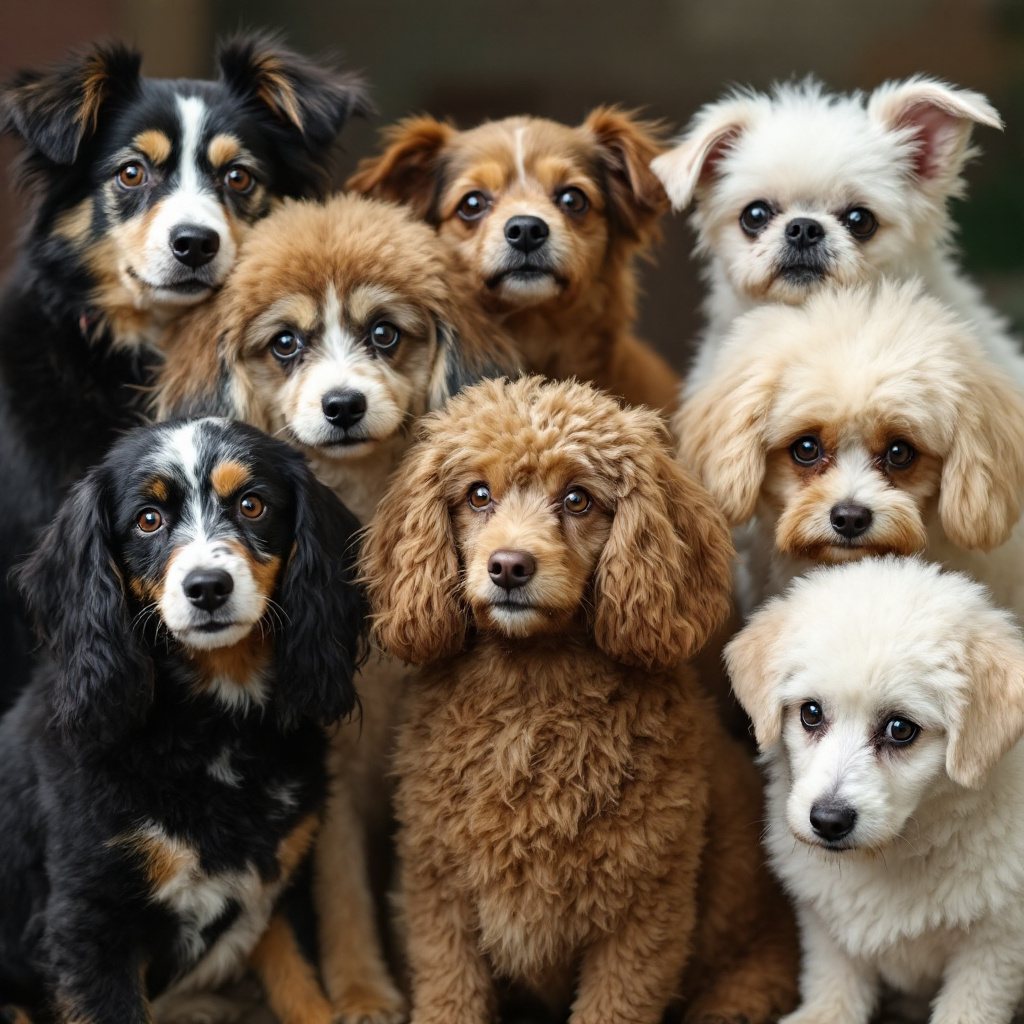
Caring for rare dog breeds: the special art of care
Rare dog breeds are often shrouded in an aura of mystery and exclusivity. Whilst these unique four-legged friends are charming, they also have specific care requirements. Anyone who decides to keep or adopt such a rare breed is entering the fascinating world of niche breeds. Let’s delve deep into the care of rare dog breeds and find out what sets them apart from the more well-known breeds.
1. Why rare dog breeds need special care
Let’s be honest, rare dog breeds are often the hidden gems of the dog world. The fact that you don’t see them on every street corner is what makes them so special. But their rarity also brings its own challenges. These dogs have specific genetic needs that require more attention than those of more common breeds. This means that caring for rare dog breeds requires a more in-depth approach and finely tuned care.
Here are a few unique factors that should be taken into account:
- Genetic characteristics: Some rare breeds have a genetic predisposition to certain health problems, which need to be identified at an early stage.
- Socialisation: As they are not often seen by people, socialising them can be a challenge, requiring specialised training and patient handlers.
- Nutritional requirements: Certain breeds require a special diet tailored to their individual needs.
2. The right diet for rare dog breeds
Say goodbye to standard dog food – rare dog breeds often have specific dietary requirements that need to be carefully planned. Whilst a balanced diet is important for all dogs, caring for rare breeds often requires a bespoke nutritional plan. Many of these dogs originate from specific regions and therefore require food that suits their native environmental conditions.
Nutritional strategies:
- Understand the breed’s origins and choose food that closely resembles its natural environment.
- Watch out for allergic or adverse reactions and adjust your diet accordingly.
- Regular veterinary check-ups should be part of your routine to ensure your dog is getting all the nutrients it needs.
3. Physical and mental stimulation: The fitness aspect
You may have guessed it already – rare dog breeds need just as much exercise and mental stimulation as their more well-known counterparts. But be warned, there’s often a slight twist here. The key to caring for rare dog breeds lies in understanding the activity and stimulation needs of each specific breed.
Here are a few tips for meeting the fitness needs of rare dog breeds:
- Personalised training: Design a training programme that makes the most of your dog’s natural instincts and abilities.
- Mentally challenging: Use puzzle toys to stimulate your dog's mind.
- Social interaction: Make sure your dog has regular contact with other dogs to help develop its social skills.
4. Grooming routine and coat care: The beauty care section
Oh là là, proper grooming! Rare dog breeds can have unique coat textures that require special care and attention. Some of these dogs have extremely dense, coarse or even silky-smooth coats that can only be properly cared for with the right tools and products.
Coat care tips:
- Invest in high-quality brushes and combs that are suited to your dog’s coat type.
- Only bathe your dog when necessary, as washing it too often can strip the natural oils from its coat.
- Consult professional groomers for specific care instructions for rare breeds.
5. Health monitoring: prevention is better than cure
Ready, steady, regular health checks! Caring for rare dog breeds requires extra attention when it comes to health issues. Many of these breeds are genetically prone to specific conditions, which can be detected early through regular check-ups. Caring owners should thoroughly research their breed’s health history and draw up a comprehensive health plan with their vet.
Key preventive healthcare measures:
- Regular vaccinations and worming should go without saying.
- Make sure to schedule annual blood tests to monitor your dog’s health.
- Keep a detailed health record so that you can spot any changes straight away.
Conclusion: A dog’s life full of devotion and care
Yes, looking after rare dog breeds is an art in itself. But with the right balance of knowledge, dedication and care, you can ensure that your four-legged friend enjoys a happy, healthy and long life. Whether you’re already the proud owner of a rare breed or are thinking of getting one – these dogs are well worth winning your heart and attention.
And remember that the key to successful care lies in a constant willingness to learn and adapt. After all, in the world of rare dog breeds, nothing is set in stone, and every dog brings its own wonderful uniqueness to the table.
Frequently Asked Questions (FAQs) on caring for rare dog breeds
Q: Which rare dog breed is suitable for beginners?
A: The Lagotto Romagnolo is a rare breed of dog that is well suited to first-time owners. This friendly and intelligent dog is easy-going and quick to learn, which makes training easier. Its coat requires regular grooming, but this is not overly complicated.
Q: How often should rare dog breeds visit the vet?
A: Rare dog breeds should be taken to the vet for a check-up at least once a year. Given the specific health issues that some of these dogs may be prone to, more frequent visits may be necessary to ensure that any health problems are detected and treated at an early stage.
Q: Are there any rare dog breeds that are hypoallergenic?
A: Yes, the Xoloitzcuintli, also known as the Mexican Hairless Dog, is a rare breed that is hypoallergenic. Due to its lack of fur or short coat, this dog produces fewer allergens, making it a good choice for people with allergies.
Q: Which rare dog breed has the lowest dietary requirements?
A: The Basenji, known as „the dog that doesn’t bark“, has relatively modest dietary requirements. This breed requires a balanced diet, which, however, does not need to be as high in calories as that of larger or more active breeds, making the care of rare dog breeds such as the Basenji straightforward.
Q: How can I find a suitable breeder for rare dog breeds?
A: Look for breeders who are members of recognised breeding associations and who specialise in the specific breed. It is important to choose breeders who prioritise health, ethical breeding practices and transparency. Visit the breeding facilities in person and ask plenty of questions to ensure that the breeding conditions meet the required standards.