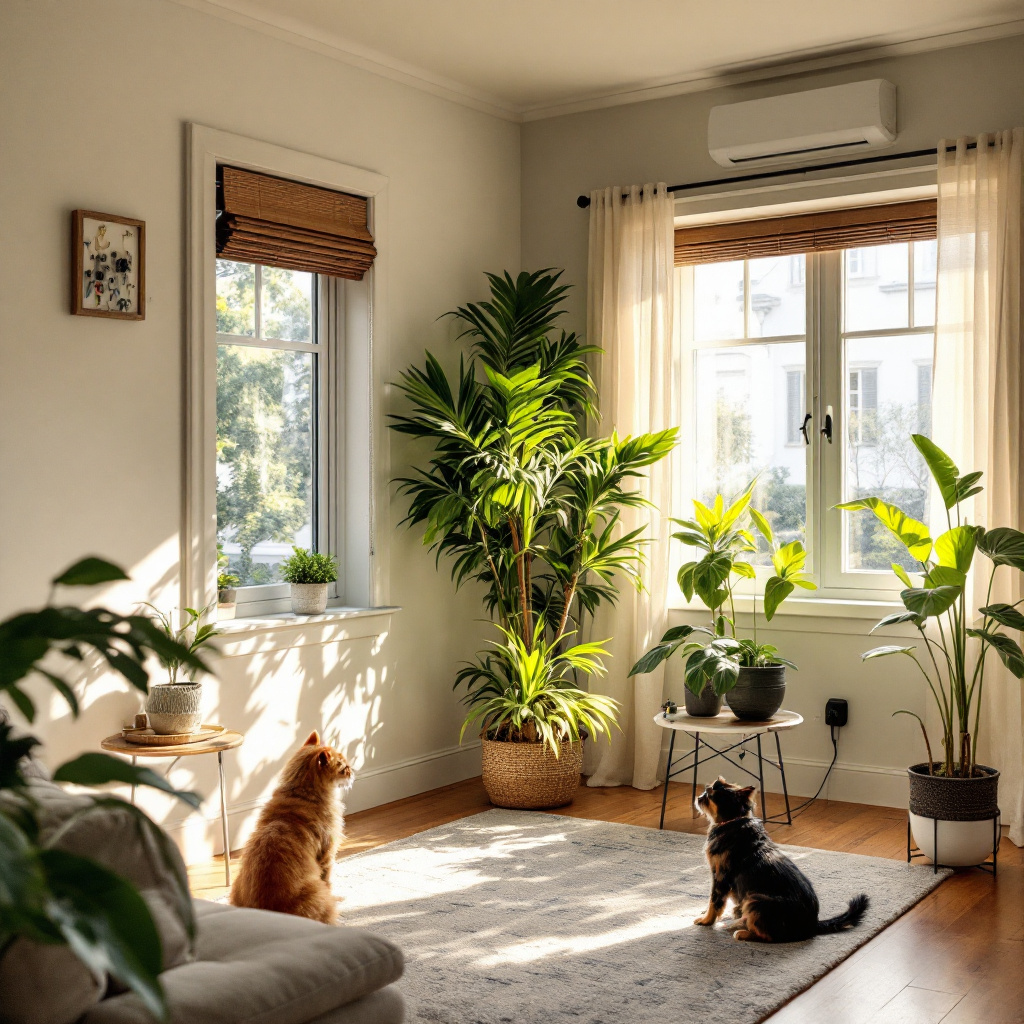

Behaviour and temperament in old age: Small hunting dogs at an advanced stage of life
Anyone who has ever had the pleasure of having a small hunting dog in their home knows that their temperament is a mixture of adventurousness and cuddliness. But how does this fiery nature change as the years go by? Let's go on a journey that explores behaviour and temperament in old age, especially in our charming little hounds.
How ageing influences the behaviour of hunting dogs
They say old dogs don't learn new tricks - but maybe it's just the other way round. With age comes wisdom and calm, but also unexpected changes in behaviour. Let's dive in and find out how these charming pals develop over the years.
- Increase in anxiety: Just like humans, dogs can become more anxious as they get older. Noises that they used to ignore can now cause stress. Suddenly they are no longer the imperturbable adventurers they once were, but are looking for safety and security.
- Increased need for sleep: A snore here, a snore there. Older dogs sleep more and prefer a cosy snooze to a lively chase. This is completely normal and their natural way of conserving their energy.
- Adaptation and patience: While some dogs remain volatile and energetic, others develop a greater tolerance. They may appear more patient or even more „philosophical“, as if they understand the depths of life in a silent wait.

Finding the right way to deal with change
A gentle approach is needed to support older hunting dogs. What can we do to do justice to their advanced age?
Give the gift of security
Older dogs have a greater need for security. Have you ever thought about creating a quiet retreat for them? A place that is just for them - this could be a familiar basket or the corner of the sofa. Security helps to minimise potential anxiety.
Maintain routine and structure
We all know that change can be stressful, and this also applies to our furry friends. A structured daily routine with set feeding and walking times provides security and predictability, which promotes well-being.
- Regular visits to the vet: Health problems that affect behaviour and temperament can arise in old age in particular. A check-up can be worth its weight in gold here.
- Relaxing exercises: How about a gentle massage? Or slow walks in new, odour-intensive places? These activities not only promote bonding, but also help to find inner peace.
Recognising and understanding changes in behaviour
It is essential to notice small but significant changes in behaviour and temperament as they get older so that you can react accordingly. Have you noticed how your best friend has changed?
- Sudden restlessness or confusion: This can be a sign of age-related cognitive changes. Calm handling and patience are required here.
- Tendency to clinginess: Do they follow you everywhere as if they were your personal shadow? This behaviour often indicates an increased need for security.
Living together and harmonious coexistence
As the behaviour and temperament of our four-legged companions changes with age, it is crucial to create a harmonious home for them based on understanding and love.
In a world that is constantly changing, we can create a constant of peace and contentment for these little miracle creatures through patience, love and mindfulness. By meeting the individual needs of our dogs and adapting to change, we can offer them a joyful and fulfilling time in retirement that warms the heart in ways that cannot be overlooked.
At the end of the day, we all just want our feathered companions to be happy and content. So let's look at behaviour and temperament in old age with a smile - because an older hunting dog is still an old friend just waiting to be part of the adventure once again, no matter how leisurely it may be.
Frequently asked questions
Q: How does the behaviour of small hunting dogs change with age?
A: As with humans, dogs can also show behavioural changes as they get older. They tend to seek more peace and security, can react more anxiously to environmental influences and often prefer long periods of sleep. Despite their energy from their younger years, they often show greater composure in old age.
Q: What health problems can affect the behaviour of older hunting dogs?
A: Health problems such as arthritis, cognitive dysfunction, and vision or hearing loss can lead to behavioural changes in older dogs. These problems affect both their physical and emotional well-being and require appropriate care and veterinary attention.
Q: How can I help my older dog with anxiety?
A: To help an older dog with anxiety, create a safe and calming environment, stick to familiar routines and introduce gentle, relaxing exercises. Consult a vet if anxiety worsens to rule out possible medical causes.
Q: What are signs of behavioural change in my older dog?
A: Common signs include an increased need for sleep, increased clinginess, sudden feelings of restlessness or confusion. These changes are often subtle, but important to notice so that you can act early and offer the dog the necessary support.
Q: Why is routine so important for older dogs?
A: Older dogs benefit from fixed routines as they provide security and predictability. These habits reduce stress and give the dog a sense of stability while allowing them to maintain the natural rhythm of their daily lives.