
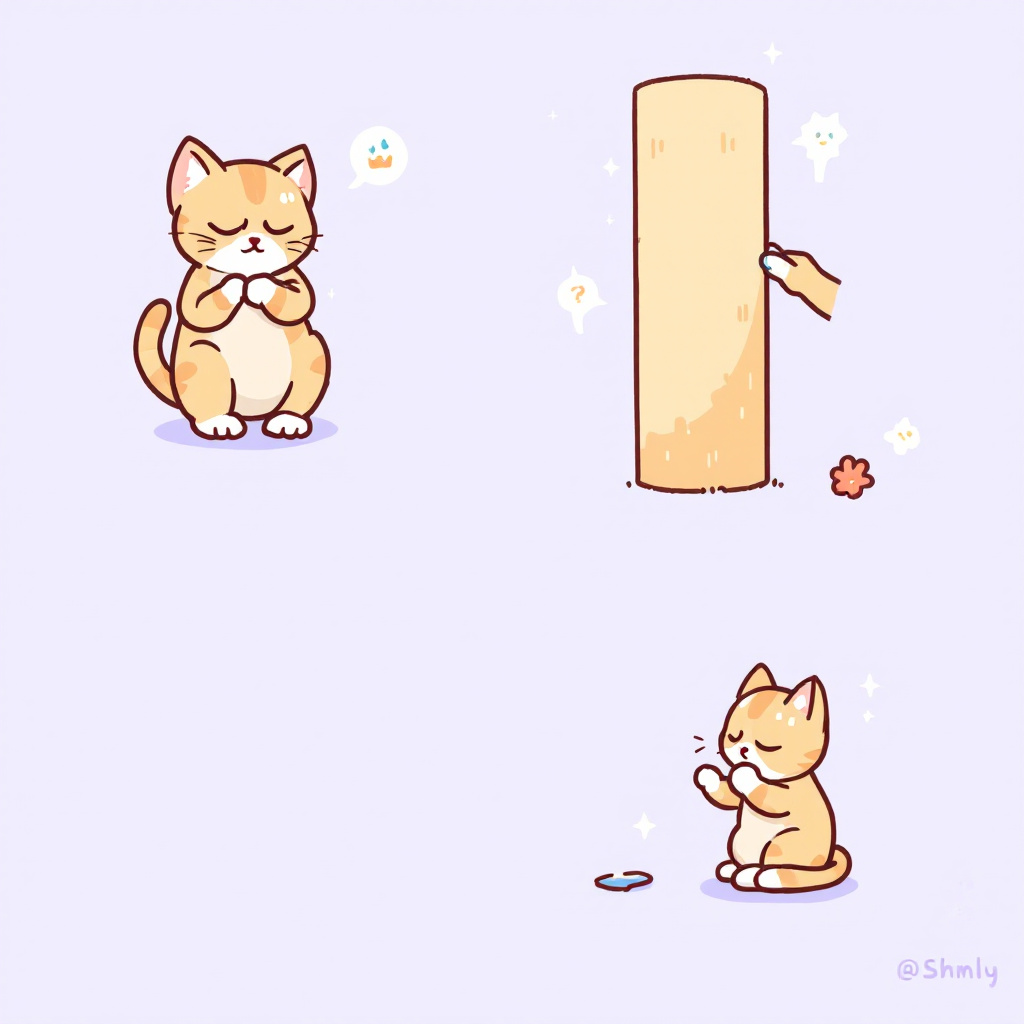
Your cat's behaviour: an insight into the fascinating world of cat communication
Cats are mysterious creatures full of charm and grace. But sometimes your cat's behaviour can puzzle you. Why is it purring so loudly, why is it scratching your favourite chair and what does that strange scratching on the floor mean? Don't worry - today we'll unravel the mystery surrounding your cat's behaviour and give you useful tips on how you can better understand their behaviour and solve potential problems.
Purren - The soothing sound of the engine
When your cat purrs, it often feels soothing not only for them, but also for you. But where does this unique sound come from that mesmerises so many cat lovers?
Some interesting points to purr about:
- Kittens already purr when they drink milk from their mother, which promotes a bond between them.
- Adult cats often purr when they are happy, but it can also serve as a kind of self-healing mechanism when they are stressed or ill.
- The purring generates frequencies between 20 and 140 Hertz, which could contribute to healing.
If your cat purrs unusually or not at all, it could be a sign of stress or health problems. In such cases, it is advisable to consult a vet.
Scratching - not just an annoyance
Scratching in the house can be a real test of nerves for cat owners. But before you scold your velvet paw, it's worth taking a look at the reasons for this behaviour:
Why do cats scratch?
- Mark: Cats have scent glands in their paws, and they mark their territory by scratching.
- Maintenance: Scratching helps to maintain their claws by removing the old nail layers.
- Movement: It is also a good way for cats to stretch and strengthen their muscles.
To minimise scratching in unwanted places, provide plenty of alternatives such as scratching posts or scratching mats in your home. Draw their attention to these objects by spraying them with catnip or attaching toys to them.
Grooming - care is the be-all and end-all
Self-grooming is a big part of a cat's daily routine. But why do they spend so much time polishing themselves to a shine?
The secrets of cat care:
- Cleanliness: Cats are extremely clean animals by nature and love to be clean.
- Binding: When cats lick other cats (or even humans), they strengthen their social bonds.
- Relaxation: This is often a calming and relaxing activity for them.
However, if you notice that your cat spends an excessive amount of time grooming, it could indicate stress, boredom or even skin problems. Observe their behaviour and consult a vet if necessary to rule out serious health problems.
Communication through body language
Your cat's body language can tell you a lot about their mood and needs. Let's take a closer look at some of the most common behaviours:
The cattail - a mood barometer
Your cat's tail can reveal a lot about its emotional state. Here are some typical signals:
- Candle straight tail: Often shows friendliness or interest.
- Fluffed up tail: Usually a sign of fear or aggression.
- Tail twitching: Can mean excitement, irritation or curiosity.
- Tail wrapped around a person: An expression of affection and comfort.
Ear position - ears on reception
Your cat's ears also provide valuable clues:
- Ears forwards: The cat is attentive and curious.
- Ears back or on the side: Indication of fear or aggression.
- Fast ear wiggling: Excitation or a kind of “radar” to better pick up sounds.
Unusual behaviours and their meanings
Cats may be mysterious, but there are some behaviours in particular that can raise questions:
Sudden startle
Your cat suddenly jumps up or chases invisible enemies through the living room? Often this is simply an energy drain or a sign of excess energy.
The famous cat zoomies
Many cats have periods of sudden hyperactivity, even if it happens in the middle of the night. This is normal and often a way of releasing energy. A little playtime can help to prevent this behaviour.
Cats are incredibly fascinating creatures, which is why your cat's behaviour is so interesting to observe. By getting to know their body language better, you can build an even closer bond with your four-legged friend and enrich their lives. Always remember: every cat is unique and it's up to us to unlock their secrets. However, if you have any doubts or if a behaviour seems particularly worrying, it is advisable to seek advice from a vet or a behavioural specialist. There are always new things to discover in the world of cats! Have fun exploring your cat's behaviour!
FAQs
What does my cat's behaviour mean?
A tail held horizontally means: Please do not disturb. If the cat has its tail to the side, this indicates embarrassment. In a female animal, however, it could also be a sign that the cat is in heat. A lowered and ruffled tail indicates fear and readiness to attack.
Does my cat have respect for me?
If your cat sometimes gives you little headbutts or rubs its head against you, this is not only a sign that it trusts you, but also that it respects you.
How do you recognise when a cat is sad?
Signs of a sad cat include reduced activity, changes in appetite, excessive sleeping and hiding. A sad cat may also adopt postures that indicate that it is sad, such as a lowered head or a tucked tail.