Transport options for pets: Travelling safely with your dog and other pets.
Travelling should always be a pleasure, but when it comes to our beloved four-legged friends, planning a trip can quickly become a challenge. Whether by car, plane or train – there are many ways to transport pets, and it’s important to find the right option for your pet’s well-being. Here you can find out everything about the best transport options and how to keep your pet calm during the journey.
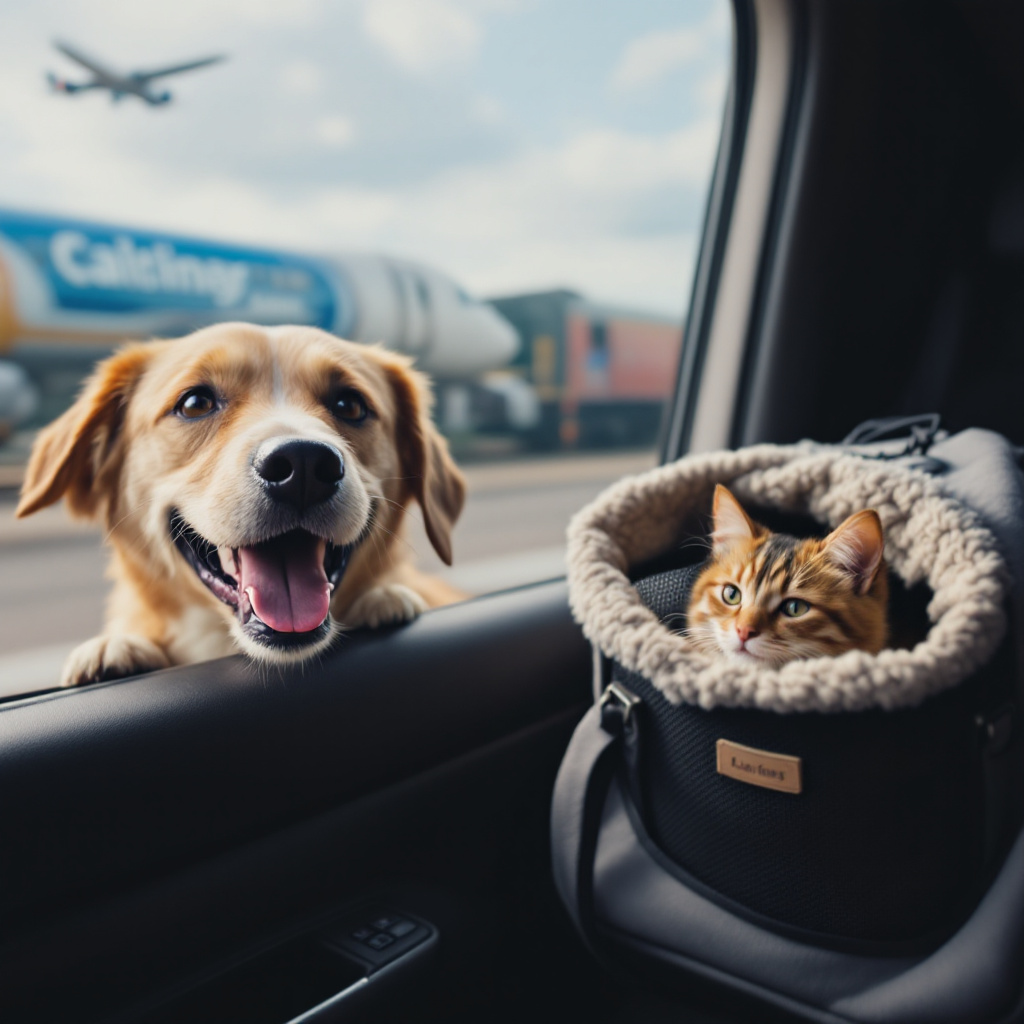
Adventures on four paws: travelling by car
The car is probably the most common option when it comes to travelling with pets. But is your pet safe whilst you’re behind the wheel? Here are a few tips to ensure that the journey is comfortable for both you and your furry friend:
- Suitable transport box: Dogs and cats should travel in a special pet carrier or with a safety harness. These provide protection in the event of sudden braking.
- Regular breaks: If you’re travelling with pets, you should stop regularly. This gives dogs a chance to let off steam and cats a chance to have a little explore.
- Air-conditioned comfort: Always make sure the car is well ventilated. Hot temperatures are not only uncomfortable, but also dangerous for your pet.
Another advantage of driving? You set the pace and choose the route – perfect for spontaneous adventures!
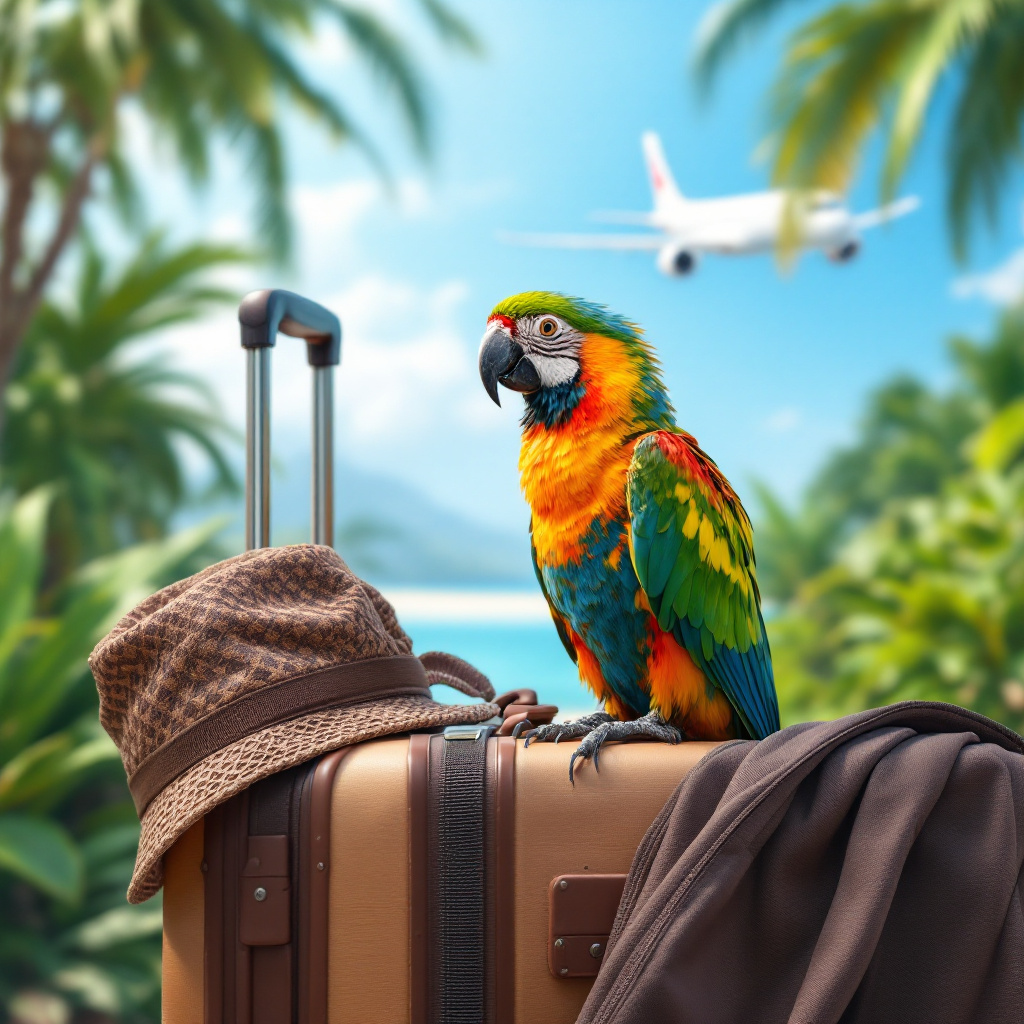
Flying four-legged friends: animal-friendly flights
Flying with pets may seem complicated, but with the right preparation, it can go smoothly. Different airlines have different policies, so make sure you check thoroughly before you book. Here are a few general tips:
- Planning ahead: As we all know, the early bird catches the worm – and the same goes for pet owners. Book your flight and a place for your pet as early as possible.
- Recommended speakers: An IATA-certified box is usually required. These boxes are specially designed to ensure safe transport in the hold.
- Training: Get your pet used to the pet carrier in good time to minimise stress on the day of travel.
Avoiding flights at peak times can also help reduce stress. That way, there’s less hustle and bustle around you.
Relaxed train journeys: comfort for people and pets
The train turns out to be a far more relaxing option. No security checks and plenty of room to move about – sounds good, doesn’t it? Here are a few tips to make travelling by train with your pet a breeze:
- Get your tickets early: Book your seats in advance to ensure you have a suitable seat for your pet.
- Comfort through accessories: Blankets, soft toys or familiar toys can help make your pet feel at home.
- Treating others with respect: Of course, it’s important to respect the needs of your fellow passengers. A calm, well-behaved pet makes a good impression.
Travelling by train can be a peaceful and thoroughly charming way to travel – for both people and animals.
Tips for calming pets while travelling
Being in a new environment can be stressful for both you and your pet. Here are a few tips to help you both travel with peace of mind:
- Sedatives: In consultation with the vet, herbal sedatives might be an option.
- Music/sound therapy: Some pets find that soft background music or specific sound therapies help them to relax.
- Stick to your routine: A routine provides a sense of security. Try to stick to your usual routines, such as feeding times or playtime, even when travelling.
Sometimes, a familiar smell or simply being close to the owner is enough to relieve stress.
More unusual ideas: travelling by boat or bicycle
Why not give some thought to alternative modes of transport? Boat trips with Fiffi or a bike ride with Mieze are original and fun options. Here too, safety comes first!
Whichever option you choose for transporting your pet, thorough planning and consideration of your pet’s needs are key to a positive experience. This will ensure that the journey is a successful adventure for both of you!
Frequently asked questions about transporting pets
How can I travel with my pet safely on a plane?
The safest way to transport your pet on a plane is to use a carrier certified by the International Air Transport Association (IATA). These carriers are designed to be sturdy and safe for use in the hold during the flight. You should also check with the airline in advance regarding their specific requirements and regulations.
Can I let my pet roam freely on the train?
As a general rule, pets must be secured on the train, either in a carrier or on a lead. Some train companies allow small pets in carriers to be placed on your lap or on the seat next to you, whilst larger animals often have to remain at the back of the carriage. It is important to check the regulations of the relevant train company in advance.
What alternatives are there if I can’t travel by car?
If travelling by car isn’t an option, there are various alternatives such as flying, taking the train, travelling by bus or even using specialist pet transport services. Another interesting option is travelling by boat, particularly if you have a long journey ahead of you and are looking for an unusual alternative.
How can I reduce the cost of transporting my pet?
To keep costs down, you should compare prices from different transport providers. Travel companies sometimes offer discounts for pets or special deals for off-peak periods. Another tip is to book in advance to take advantage of early-bird discounts.
What preparations should I make before travelling with my pet?
Thorough preparation is essential. This includes drawing up a checklist covering the packing of essential items such as food, water, medication and any sedatives. It is equally important to get your pet used to its carrier in good time to minimise stress on the day of travel.