
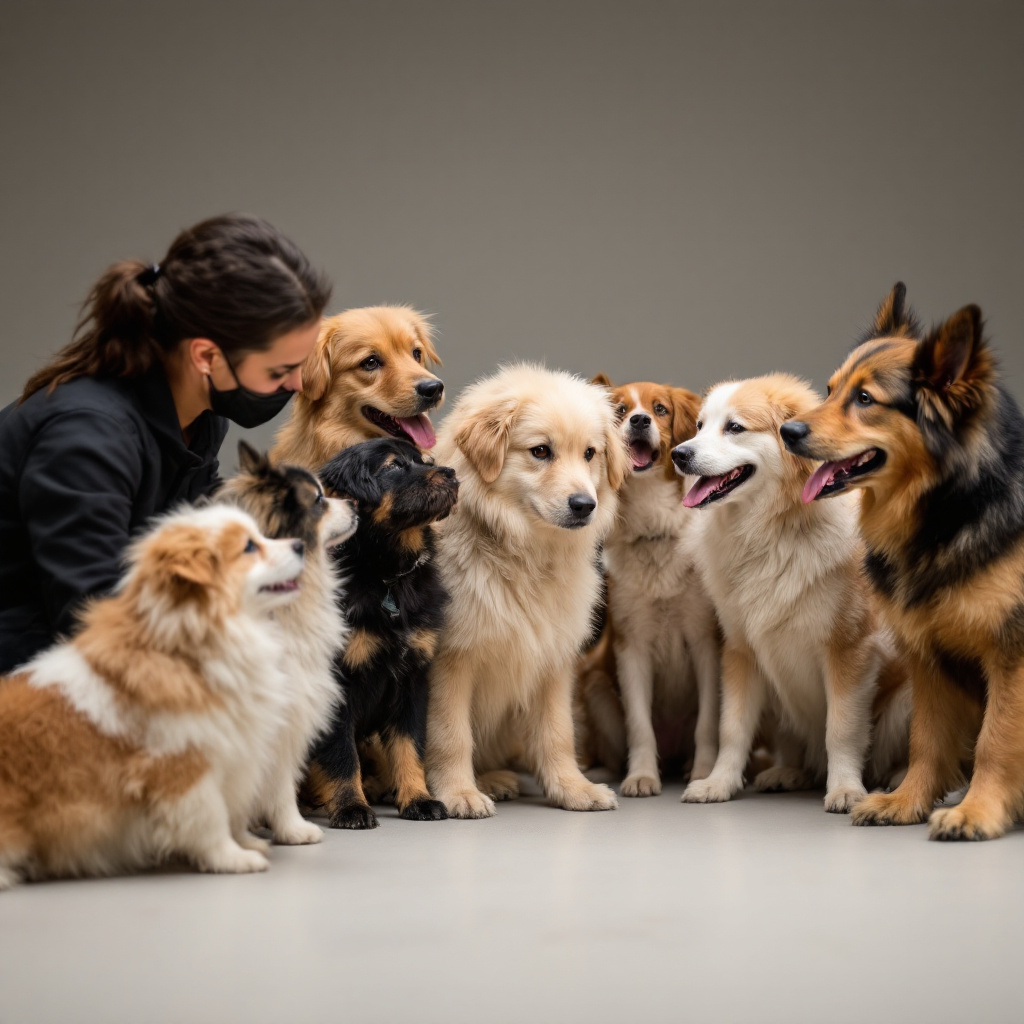
Training methods and best practices: Effectively teaching basic commands for everyday life
In the world of dog training, there are numerous philosophies, techniques and methods for teaching a dog the necessary basic commands. At the same time, the focus is on promoting a positive bond and ensuring lasting learning. If you are planning to teach your dog everyday dog commands, then there is more to it than just a simple „sit“ or „down“. The art lies in choosing the right training methods and best practices.
When patience is the key: an overview of training philosophies
Different training methods often reflect different philosophies. Whatever the philosophy, one thing remains the same: Patience is key. Let's take a look at some of the most popular approaches:
- Positive reinforcement: This method relies on rewards - whether treats, toys or verbal praise - to encourage good behaviour. The positive approach encourages the dog's motivation and creates a deep foundation of trust.
- Clicker training: A variant of positive reinforcement in which a clicker is used as a marker. The sound signals to the dog the exact moment for which it is being rewarded, which optimises the timing of the training.
- Conditioned relaxation: This method combines relaxing stimuli (e.g. calming music) with training to promote a stress-free learning environment and concentration.
Did you know that... dogs respond particularly well to training methods based on behavioural conditioning? A dog's brain responds strongly to positive rewards because they stimulate the release of dopamine - a happiness hormone.
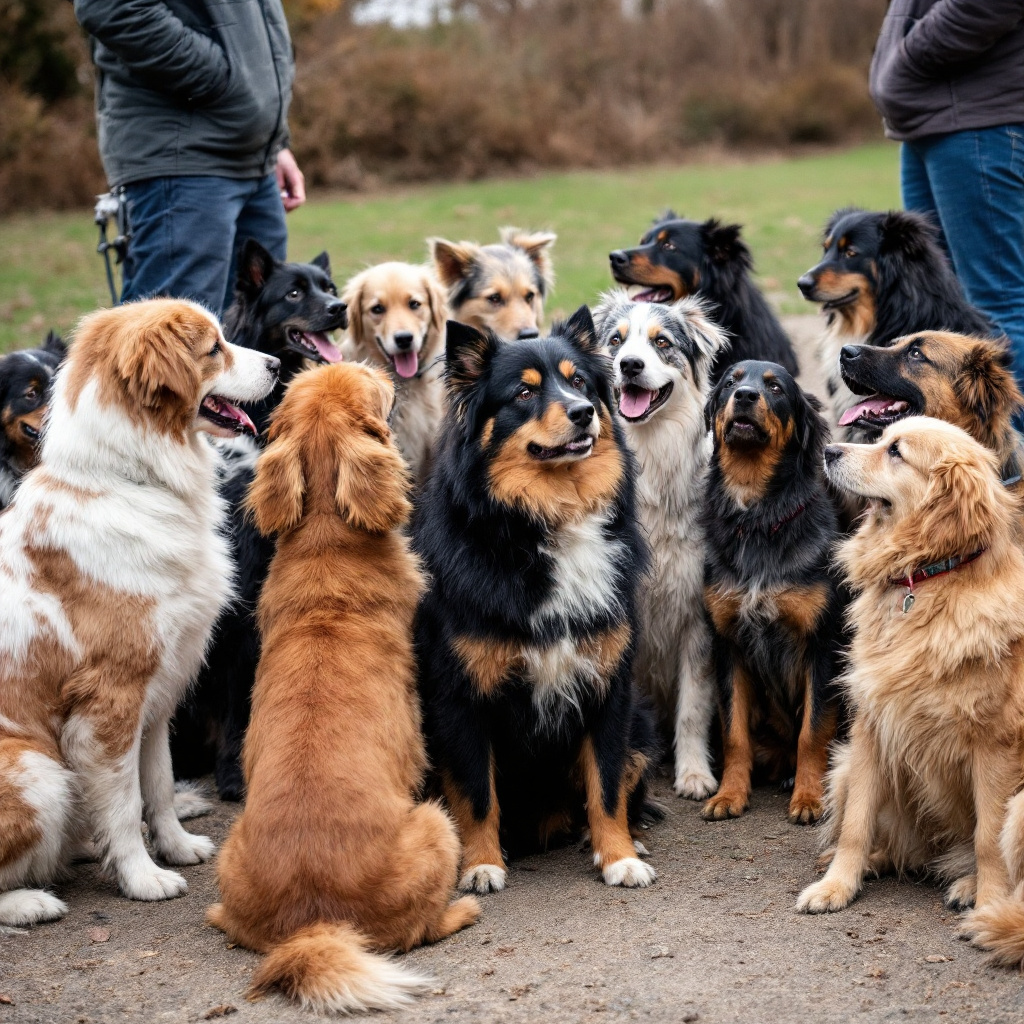
The proven practice „KISS“: Keep It Short and Simple
Just as with human training, in dog training, simple is often best. Commands should be clear and concise. The dog is more likely to memorise a short „sit“ than a „would you like to sit now?“.
This means:
- Use a word command.
- Be consistent in your behaviour - always use the same words for the same commands.
- Create a quiet, distraction-free environment.
Tip: The right timing when rewarding
Timing is crucial. If the moment of the reward is timed correctly, your dog will understand exactly what behaviour he is being praised for. Know how:
- Watch your dog closely - as soon as he shows the desired behaviour, reward him promptly.
- Avoid delayed rewards, as the connection to the behaviour could otherwise become unclear for the dog.
Oh, and one more tip: If you think your timing is not optimal, use a clicker. The concise clicking sound reinforces the timing and increases the learning success.
Best practices: What to do when things don't go according to plan?
That's the kicker: nobody is perfect. Even the most motivated dog owner will encounter obstacles. Some best practices for problem solving:
- Patience is a virtue: Don't expect your dog to understand everything the first time. Patience and repetition are essential.
- Analyse setbacks: Try to understand why a command is not working. Are there too many distractions? Is the dog too tired or overwhelmed?
- Adapts the training to your dog's personality: Every dog is an individual. A shy dog may benefit more from calm handling, while a more active Tschapper is more likely to enjoy short, dynamic training sessions.
The balance between consistency and flexibility
Successfully implementing commands for everyday life in line with best practice requires a balance of consistency and a dash of flexibility. Consistent use of the same commands ensures clarity for the dog. Flexibility is required if a previous command does not work, if the dog reacts differently on the day or is trained in new environments.
Remember: While the path of dog training should be paved with a certain consistency, it must not become rigid.
The little 1×1 of communication: More than words
One last thing that is often neglected is non-verbal communication with your dog. Dogs value body language far more than words.
- Use hand signals as a supplement to verbal commands. These get into the dog's brain more quickly.
- Pay attention to how you stand during training. Open, non-threatening body language makes learning easier.
- Avoid eye contact if your dog appears insecure - this could be interpreted as a dominance gesture.
Conclusion: The path to effective dog commands
Choosing the right training methods and best practices makes all the difference in the daily training and education of your four-legged friend. A successful mix of patience, clarity, timing and a pinch of flexibility makes it possible to teach the basic commands effectively - ideally complemented by a good dose of fun.
Remember that every animal learns differently. An approach that is a clear hit for one dog may simply not work for another. Be prepared to change your approach and don't be discouraged if things don't go perfectly. After all, the journey is just as valuable as the destination, and in the end it's not just the dog that is happy about the newly learnt commands.
FAQs
What are the most important basic commands that every dog should know?
Basic commands such as „sit“, „down“, „come“, „stay“ and „no“ are essential for establishing good communication with your dog. These commands help to guide the dog safely and control it confidently in everyday life.
How long does it take for a dog to learn a command?
This depends on the dog, its learning ability and the training methods chosen. Some dogs understand commands after just a few training sessions, while others may need more time. Regular, short and consistent training is the best way to achieve learning success.
Is it important to use treats during training?
Treats are an effective method of positive reinforcement. They motivate dogs and reward desired behaviour immediately. However, in addition to treats, praise, toys or pats can also be used as rewards, depending on what your dog responds to best.
Why is flexibility important in dog training?
Flexibility allows training to be adapted to the dog's individual needs and daily form. Every dog learns differently, and a flexible approach ensures that setbacks and individual differences are taken into account and the bond between you and your dog is strengthened.
Can older dogs learn new commands?
Definitely! Even though younger dogs may learn faster, it is never too late for an older dog to learn new commands. With patience and the right methods, even older dogs are able to master new tricks and commands.