
Training methods for small cats: How to train them with ease!
Anyone who has ever had the pleasure of owning a small cat knows that these fluffy four-legged friends are not only cute, but also extremely intelligent. However, the right training methods are needed to turn a cute kitten into a well-behaved housemate. We take you on an exciting journey through the world of training small cat breeds - from the litter tray to impressive tricks that will not only make your heart happy, but also that of your velvet paw.
The ABCs of cat training: creating a solid foundation
Before we dive into the specific training methods for our little tigers, let's take a look at the basics. Small cats often have an enormous urge to move and a considerable curiosity that needs to be skilfully harnessed. So let's start with the basics:
- Cleanliness training: The litter tray should be your first stop. Start early and patiently show your kitten where it can do its business. Small cats learn quickly - praise and a treat after successful use work wonders!
- Regularity is key: Feed your cat at fixed times and make sure you plan play and rest times. This will create a routine that gives your little rascal a sense of security.
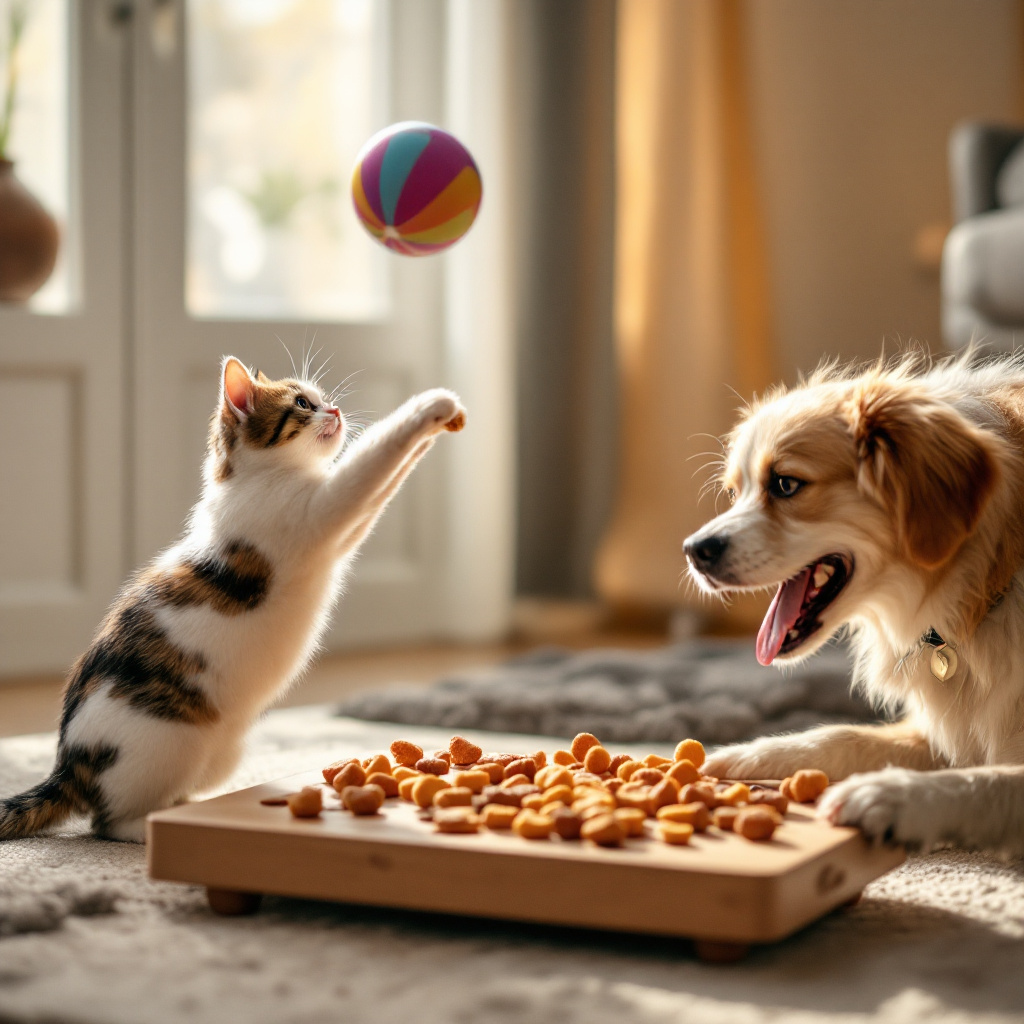
- Education through play: Yes, you heard right. Games are a fantastic way to teach behavioural rules in a playful way. Whether it's play fishing rods, laser pointers or intelligent food games - the choice is huge and also promotes the bond between you and your cat.
The fine art of training: training small cats properly
Every cat is an individual - and this is especially true for small cat breeds. They are characterised by intelligence, agility and sometimes stubborn personalities, which makes training them an exciting challenge. The following training methods have proven to be particularly effective:
- Clicker training: A clicker can become your best friend when it comes to training. It allows you to mark the exact moment of the desired behaviour, which helps your little cat to learn quickly. From simple commands to complex tricks, clicker training offers a wide range of possibilities.
- Patience and consistency: Even if it can be a challenge at times, patience and consistency are key. Little cats are smart, but they can also be stubborn. Keep at it and always reward positive behaviour immediately.
- Positive reinforcement: Both verbal praise and treats are effective ways of showing your cat that it has behaved correctly. This not only strengthens the bond with your pet, but also makes training a positive experience for both sides.
Tricks and games: A smart way to become a smart cat
Now that you've mastered the basics, it's time for the next step: tricks and games. Did you know that small cats are capable of amazing tricks that go far beyond a simple sit or paw? Here are some ideas for you to try:
- Retrieve: Some small breeds do show dog qualities and love to fetch things. Start with a light toy and get your cat excited about the game.
- Slalom: With a little patience, you can teach your little cat to navigate through a course of hurdles. This not only promotes agility, but also the ability to think.
- High-Five: A high five with your cat? Absolutely possible! Show your cat what you want and reward any progress. You'll be surprised how quickly small cats learn.
Remember: training small cats is not just a way of correcting unwanted behaviour or learning impressive tricks. Above all, it's a wonderful opportunity to strengthen your bond with your pet and encourage their natural abilities and tendencies. Cats, no matter what size, have so much more to offer than we often think - it's up to us to recognise and nurture this potential.
Conclusion: A loving relationship is the key
To summarise, the right training methods for small cats are an enrichment for the coexistence of humans and cats. Whether you want to build a harmonious relationship, make living together easier or just have fun, investing in training your small cat will pay off. With a mix of patience, love and the right techniques, you and your little cat will become an unbeatable team. Because at the end of the day, that's what counts: A happy life together, characterised by understanding and mutual respect.
Always remember that every cat has its own preferences and dislikes. Observe your pet closely and personalise the training. With such an approach, training your little cat will not only be successful, but also a real pleasure. So, are you ready to start your cat training adventure?
FAQs
How can you train small cats?
Extensive cuddles and exciting games are also very popular. Once the ice has been broken between you and the kitten, you can start to train the kitten. Rule number one - for you, not for the kitten: Never shout at or punish the animal!
How do you teach cats not to do something?
If your cat does something undesirable, your command to stop must follow immediately, otherwise it will not know what it is being reprimanded for. For example, if your cat starts scratching the sofa again, respond immediately with a clear „no“ to show him that the behaviour is undesirable.
How does Kitten become calmer?
Regular rest periods in which play and activity are consciously reduced can help to calm a kitten down. In addition, the use of catnip or calming pheromone plugs in the home can create a relaxed atmosphere. It is also important that the cat has a place to retreat to where it can relax undisturbed.
How to train a cat?
Training for cats, especially indoor cats, requires extensive exercise through playing and romping around. Your cat also wants to be mentally occupied. Clicker training is an ideal way to exercise your cat's grey brain cells and teach it to give paws and other tricks.