
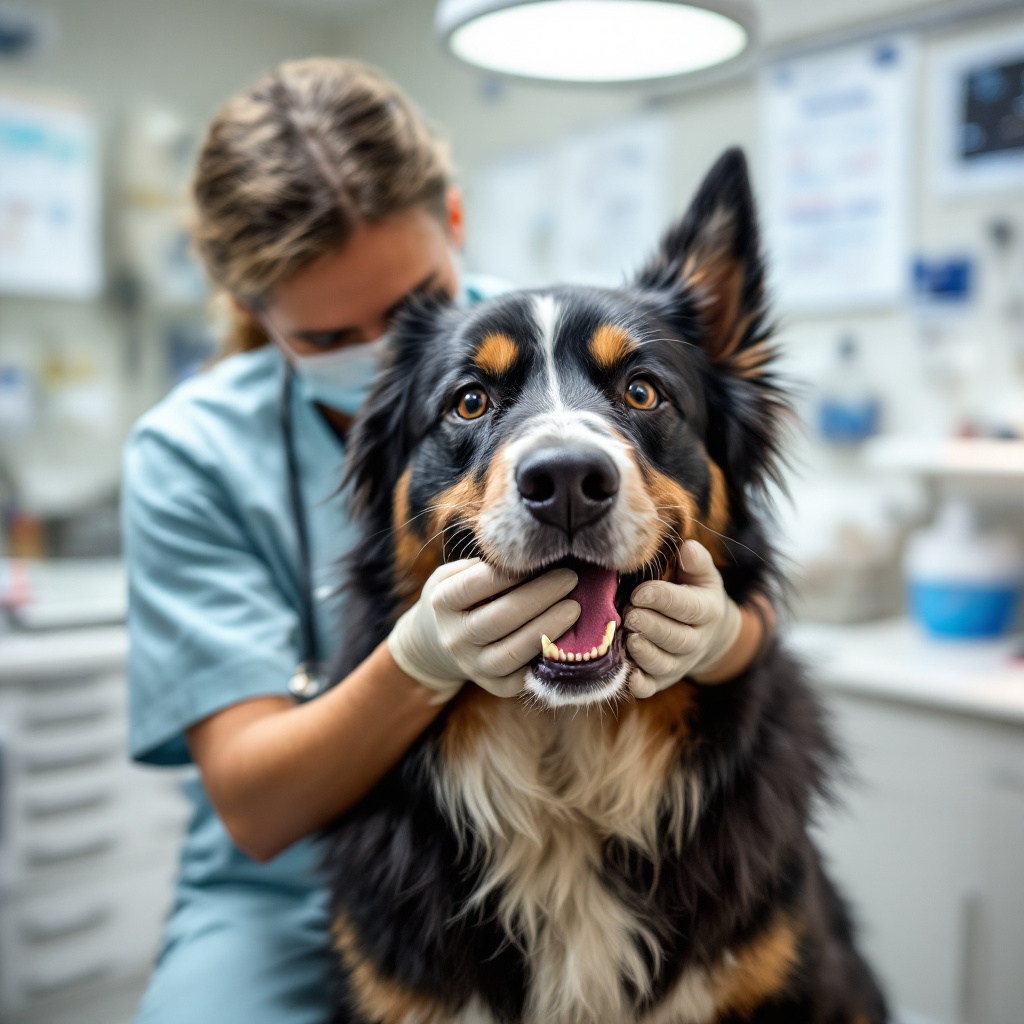
The Invisible Power: The role of the vet in dental care
Ah, the dental care of our furry friends! Who would have thought it was such a big issue? Many pet owners underestimate the importance of their pet's dental health, but this is where the vet swoops in like a superhero to the rescue. Sometimes literally!
Why dental care is crucial for dogs and cats
Just like us humans, our four-legged companions also need careful dental care. This goes far beyond simply brushing their teeth. If oral health is neglected, it can lead to serious problems such as tooth loss, infections or even heart disease.
Did you know that according to one study, nearly 80% of all dogs and 70% of all cats over the age of three suffer from some kind of dental disease? It's a silent epidemic in many households! Therefore, the veterinarian's role in dental care is essential.
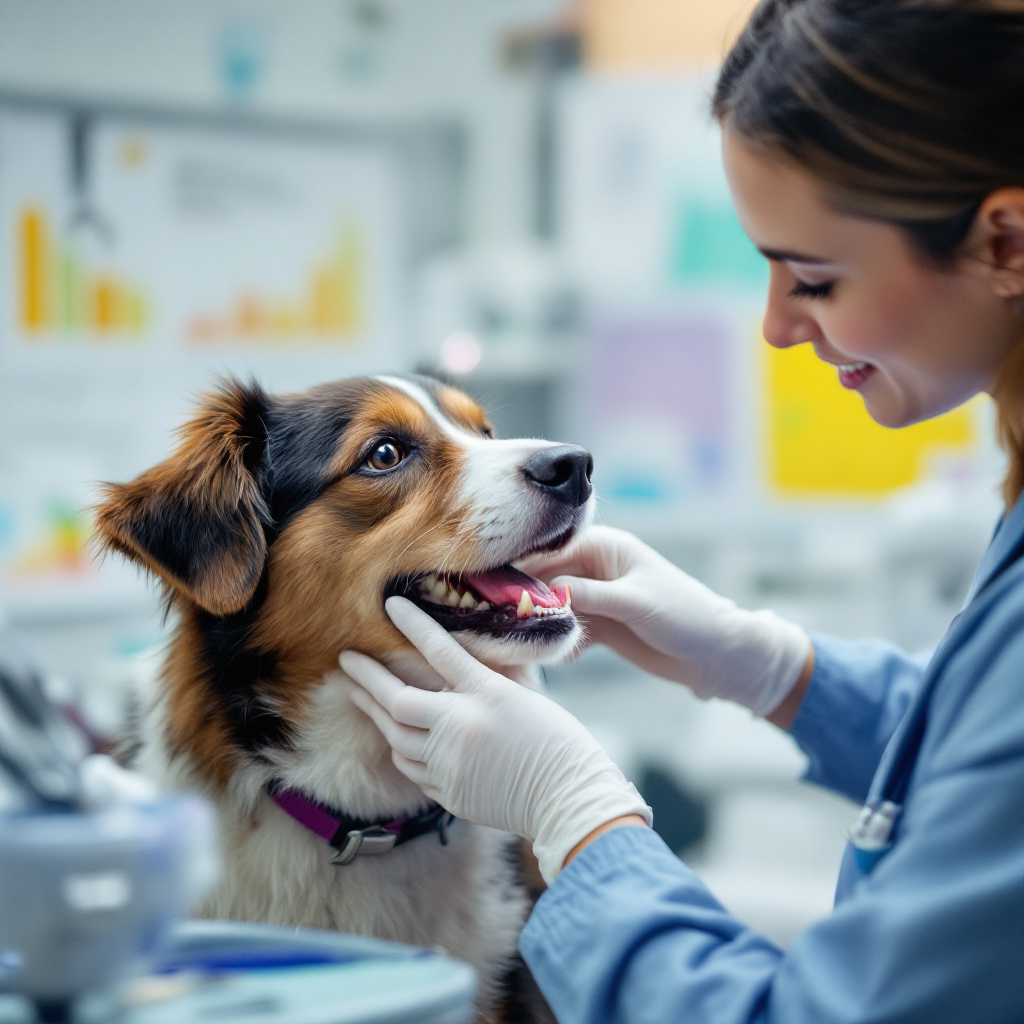
Regular visits to the vet: the first step towards healthy teeth
One of the most obvious tasks of a vet is to regularly check your pet's teeth. But what does that really mean?
- Check-up: The vet will examine the teeth and gums thoroughly, looking for signs of tartar or gingivitis.
- Personalised advice: Every dog and cat is unique - and so are their needs. Your vet can give you specific advice on dental care that is tailored to your pet.
Vet visits may not be your pet's favourite appointment, but they are essential to avoid complications later on.
Professional teeth cleaning: No room for do-it-yourselfers
It is usually necessary for Fido or Kitty to have their teeth professionally cleaned. The vet takes on many tasks here:
- X-ray and diagnosis: To recognise problems that are invisible to the naked eye.
- Scaling and polishing: Removal of tartar and polishing of the teeth to prevent future tartar formation.
- Extractions: If necessary, diseased or dead teeth can be removed to eliminate pain and prevent infection.
Do you remember the phrase: There's no such thing as a free lunch? Good dental care may seem expensive, but in the long term it is an investment in your pet's healthy life.
The treatment of dental diseases: The daily battle of the vet
Sometimes regular check-ups and professional cleaning are not enough. If your pet is suffering from serious dental disease, it's time to see the vet:
- Gum disease: Inflammations that can lead to tooth loss if left untreated.
- Caries and tooth fractures: These problems can be caused by chewing on hard objects or inappropriate food.
When such problems first occur, the vet can use percussion examinations or x-rays to diagnose the exact cause and develop an effective treatment plan. Ah, that almost sounds like a doctor's letter, doesn't it?
Prevention is better than cure: Simple methods for the home
Of course, it's not just up to the vet. You can also contribute to dental health yourself at home:
- Brush your teeth daily: Use special pet toothbrushes and toothpastes. Start gently so that your pet gets used to it.
- Nutrition: Tooth-friendly food can support dental health. Talk to your vet about suitable options.
- Chews and toys: Specially designed products can help to remove tartar naturally.
If you make the effort, you will soon realise: „Show me your bite and I'll tell you how healthy you are!
Conclusion: The vet as your pet's dental hero
There is an old saying: „A healthy mouth leads to a healthy body.“ This is true not only for us humans, but also for our pets. The veterinarian's role in dental care is invaluable and helps to literally put a bright smile on your pet's face.
So never forget: regular visits to the vet, all-round care at home and expert advice are the key to a healthy set of teeth. In the world of pet dental care, the vet is the unsung hero - and he does an excellent job!
FAQs on dental care for dogs and cats
How often should I brush my pet's teeth?
Ideally, your pet's teeth should be brushed daily. If this is not possible, try to do it at least a few times a week. Regular brushing helps to reduce plaque and tartar.
Which toothbrush and toothpaste are suitable for my pet?
Use special toothbrushes for animals that are smaller and softer than those for humans. Pet-friendly toothpastes are also essential as they come in flavours such as chicken or beef and are free from fluoride, which can be harmful to pets.
Can I maintain my pet's dental health with chews alone?
Although chews can help reduce plaque and tartar, they should not be the only dental care measure. They are best used in combination with regular tooth brushing and veterinary check-ups.
How can I recognise that my pet has a toothache?
Signs of toothache may include increased drooling, difficulty eating, bad breath or reluctance to be touched on the head. If you notice any of these symptoms, visit a vet immediately.