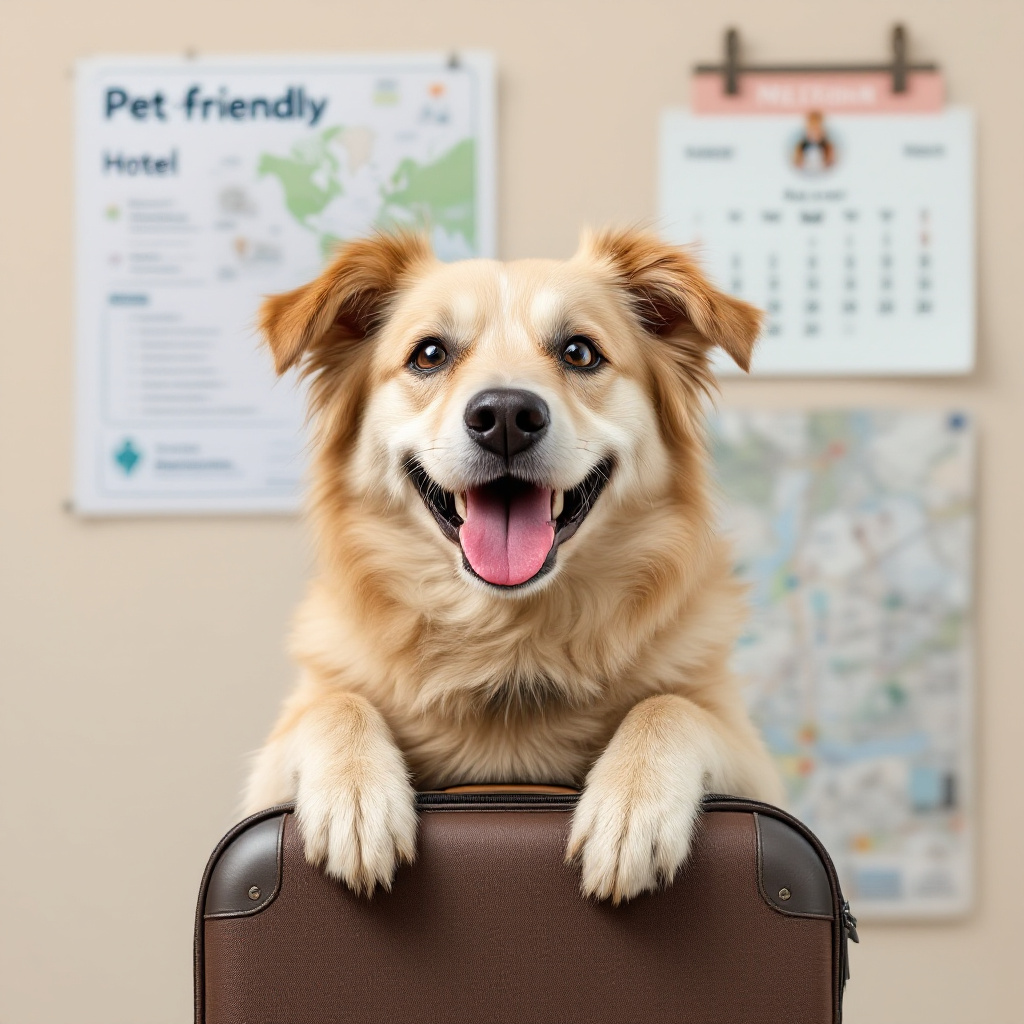

Travelling with dogs: A comprehensive guide to planning and budgeting
Anyone who loves dogs knows that these loyal companions are not only our everyday companions, but should also be by our side when we are travelling. However, planning a holiday with a four-legged friend comes with its own challenges and costs. From transport and accommodation to special services - the cost of travelling with dogs can quickly skyrocket. Let's delve into the world of travelling dog families together and find out how you can make your trip with a dog comfortable and cost-effective.
Transport: How does the dog get to its destination?
A key aspect of travelling with dogs is transport. There are several options here, each with its own advantages, disadvantages and costs:
- Car: For many dog owners, the car is the preferred means of transport. Here the dog has more freedom of movement, there is usually less stress and stops can be planned flexibly. However, the cost of petrol, tolls and possibly longer journey times should not be underestimated.
- Train: Travelling by train can be a relaxed alternative, especially if you have to cover long distances. The costs vary depending on the railway company and the breed of dog. Smaller dogs often travel for free or at reduced prices, while larger dogs sometimes have to pay half or even the full fare.
- aeroplane: Travelling by air with dogs is more complicated and often more expensive. Depending on the airline, you may have to pay a ticket or a fee for the dog. Smaller dogs are allowed to travel in a special bag in the cabin, while larger animals must be accommodated in the cargo hold. The regulations and prices vary from airline to airline.

Accommodation: Where does the dog sleep?
Dogs also play a decisive role in holiday planning when it comes to accommodation. Not all hotels and holiday flats cater for four-legged guests. It is therefore worth planning in advance:
- Hotels and guesthouses: Many hotels allow dogs, but charge an additional fee per pet per night. Sometimes special services such as dog blankets or food are also included in the price. The costs vary greatly and can range from a few euros to considerable sums depending on the comfort of the accommodation.
- Holiday flats: This option often offers more freedom and space for dogs. Extra costs may also be incurred here, especially for the final cleaning. One advantage of holiday flats is that they usually have a kitchen, which makes it easier to cater for your dog.
- Camping: Camping is a budget-friendly option that is particularly suitable for adventurous souls. Many campsites are dog-friendly and offer walking trails and exercise facilities. The extra costs for dogs are often low, but you should always check the campsite's rules and fees in advance.
Pet-Friendly Services: More than just dog biscuits
In addition to transport and accommodation costs, services also play a role in the cost of travelling with dogs. This aspect is easily overlooked, but is essential to avoid stress for people and animals:
- Animal care: Dogs are often not allowed when visiting historical buildings or museums. Short-term dog care can be invaluable for taking advantage of such offers without any worries.
- Veterinary costs: Find out about the vets in the holiday region in advance. You should be prepared for any veterinary costs, especially when travelling for longer periods.
- Pet shuttles: In larger cities, there are special taxis or shuttle services for dogs that will take you and your four-legged friend from A to B - an aspect that should be clearly factored into the cost of travelling.
Saving wisely: tips for low travel costs with dogs
Naturally, dog owners want to save money when travelling without compromising on comfort for themselves and their pets. Here are some tips to help you do just that:
- Take advantage of early booking discounts: Many hotels and transport providers offer discounts if you book in advance. Early planned trips are usually more budget-friendly.
- Compare the prices: Price comparison platforms for aeroplanes, trains and accommodation can offer significant savings. Check different providers to find the best deal.
- Travelling outside the high season: Travelling in the low season can be significantly cheaper. However, make sure that the climatic conditions are suitable for your dog.
- Pack correctly: Avoid unnecessary purchases and pack everything you need, including dog papers, to be prepared in an emergency.
- Loyalty programmes: Some hotels or airlines reward their loyal customers with discounts or upgrades - this can also lead to savings.
Final thoughts: Finding the right balance
At the end of the day, it's about finding the right balance between cost and comfort for both humans and dogs. Our love for our four-legged friends often means that we spare no expense, but smart, forward-thinking planning can ensure that travelling remains both affordable and enjoyable. By researching travel costs with dogs and navigating them wisely, we can ensure that our most loyal companions have as much fun travelling as we do.
Planning a trip with a dog may seem time-consuming at first, but the memories and adventures you'll share with your furry friend are well worth it.
FAQs
Which airline accepts dogs weighing up to 10 kg in the cabin?
Lufthansa, Eurowings, Condor, Austrian Airlines, TUI fly, SunExpress, Air France and KLM are some of the airlines that take dogs up to a weight of 10 kg in the cabin.
Can I take a dog with me on the 49 Euro ticket?
No, the Germany Ticket does not include the carriage of chargeable dogs. You must buy a separate ticket for dogs subject to a charge, as the Deutschland-Ticket does not cover this option.
How much does it cost to take a dog on an aeroplane?
Depending on the provider, you can expect to pay between 40 and 110 euros to take a dog with you in the cabin. In the cargo hold, the cost can be up to 200 euros. Prices often vary depending on the size and weight of the dog. Don't forget the additional cost of a flight crate or carrier bag, which you can either buy or hire.
Do I have to have my dog vaccinated before travelling?
Yes, vaccinations are mandatory in many countries to protect the health of other animals and people. Check the requirements of the destination country and speak to your vet to make sure your dog has the required vaccinations.
Can dogs also travel with small children on the train?
Yes, dogs can travel on most trains. However, it is important to ensure that the dog is kept on a lead and is well behaved to ensure the comfort of all passengers, including small children. Some railway companies offer special tickets for dogs.