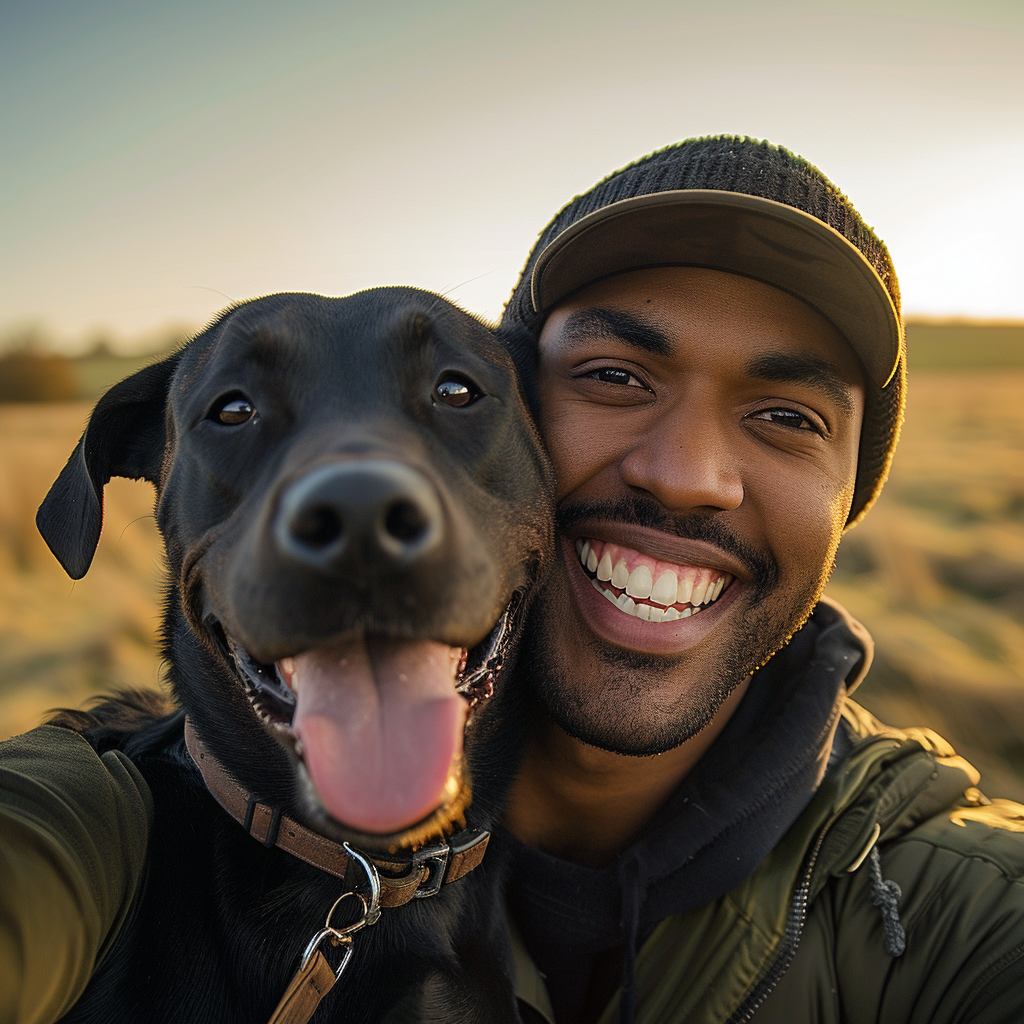

Breeds of small hunting dogs: Coat care for small hunting dogs
Introduction: Small hunting dogs and their special features
Small hunting dogs are not only charming and full of energy, but also amazingly versatile. Although they are small, they have a big heart and plenty of hunting instinct. More importantly, they need special care - especially grooming. But what makes these breeds so unique, and how should their coats be properly cared for? Let's delve into the fascinating world of small hunting dogs and discover their specialities as well as the best grooming tips for their beautiful coats.
Small hunting dog breeds at a glance
There are numerous small hunting dog breeds, each with their own specific characteristics and care needs. Here are some of the most popular and widespread breeds:
- Dachshund: This small hunter is known for its long, slender body and short legs, which give it its unmistakable character.
- Jack Russell Terrier: A lively, energetic little dog that is popular both for hunting and as a family dog.
- Beagle: With its large eyes and long ears, the Beagle is not only a hunting dog, but also a loyal companion.
- German Pinscher: An elegant and versatile dog that not only has excellent hunting skills, but is also used as a guard dog.
- Fox Terrier: The Fox Terrier's compact and powerful build makes it an effective hunter and a great pet.
Characteristics and differences between the breeds
Each small hunting dog breed has its own unique characteristics that set it apart from other dogs. Let's take a closer look at some of these specific characteristics:
Dachshund
The dachshund, also known as the dachshund, was originally bred for badger hunting. Its long body and short legs enable it to reach deep into holes in the ground. But be careful! Its spine needs special care, so it should not have to jump or climb stairs too often.
Jack Russell Terrier
The Jack Russell Terrier is known for its courage and boundless energy. Originally bred for fox hunting, it is characterised by its intense temperament and high intelligence. This little powerhouse can be a challenge at times, but needs plenty of exercise and mental stimulation.
Beagle
Beagles are not only an absolute highlight because of their endearing, dreamy appearance, but also because of their excellent nose. They are particularly well known for hunting hares. Their keen sense of smell means they need to be kept busy regularly to avoid boredom.
German Pinscher
The German Pinscher is an all-rounder that excels as a hunting, guard and family dog. It is known for its alertness and protective instinct. With its elegant and muscular build, it is a real feast for the eyes.
Fox Terrier
The Fox Terrier, available in two varieties - wire-haired and smooth-haired, is a fearless little hunter. It is particularly effective at hunting rabbits and other small animals. His fearlessness and energetic behaviour make him a great, if sometimes challenging, companion.
Coat care tips for small hunting dogs
Each breed requires grooming tailored to its specific needs. Here are some general and breed-specific grooming tips:
General tips
- Regular brushing: At least once a week to remove dead hair and dander and keep the coat healthy and shiny.
- Check for parasites: Regularly check for fleas and ticks, especially after an outing in the countryside.
- Suitable shampoos: Avoid human shampoos and use products specially developed for dogs to prevent irritation.
Breed-specific tips
Dachshund
- Brush your long-haired dachshund's coat daily to prevent matting.
- Avoid frequent bathing to preserve the skin's natural oils.
- Check your ears regularly for signs of infection.
Jack Russell Terrier
- As their coat is short and smooth, weekly brushing is completely sufficient.
- Make sure to remove dirt and grime after a hunt or a long walk.
- Regular bathing is not necessary unless the dog is particularly dirty.
Beagle
- Brush the Beagle's coat at least once a week to remove dead hair.
- Ear care is particularly important as their long ears are susceptible to infections.
- Only bathe your Beagle when necessary, as too frequent bathing can dry out the skin.
German Pinscher
- A short, smooth coat makes grooming easy: brush once or twice a week.
- Check the claws regularly and trim them if necessary.
- Bathing is only necessary occasionally, as they usually keep themselves clean.
Fox Terrier
- For the wire-haired Fox Terrier, trimming is required every few months to keep the coat in shape.
- The smooth-haired Fox Terrier only needs occasional brushing to remove loose hair.
- Both variants should be checked regularly for parasites.
Concluding thoughts
Small hunting dogs are not only fascinating companions, but also demanding ones. They add energy, joy and a great sense of adventure to our lives. With the right coat care, we can ensure their health and well-being - and at the same time build a strong bond with our four-legged friends. So, brush in hand and let's go! Your little hound will thank you for it.
FAQs
What is the smallest hunting dog?
The smallest hunting dog breed is the dachshund, also known as the dachshund. This breed is known for its long, slender shape and short legs, which make it particularly manoeuvrable.
Which dog breed needs little care?
Many hunting dog breeds require regular grooming, but some are known to require less grooming. Examples of this are the Beagle and the German Pinscher. These dogs have short, smooth coats that only need to be brushed occasionally.
What is the best small dog?
Choosing the best small dog will of course depend on your personal preferences and circumstances. If you are looking for a small beginner dog, Chihuahuas, Papillons and Miniature Schnauzers are among the most popular breeds. These dogs are small but mighty and are perfect for people who have little or no previous dog experience.
Which dog does the least amount of work?
Dog breeds that require less effort and exercise include some quieter small dogs such as Chihuahuas, French Bulldogs and Maltese. In fact, there are also larger, calmer dogs that require less exercise, such as Bernese Mountain Dogs. These breeds are ideal for people who prefer a slightly calmer lifestyle.