Care and training for active dog companions: the key to a happy, healthy four-legged friend
Welcome to a blog post that aims to help not only you, but above all your dog, to be at their best! For dogs that are just as adventurous as their human companions, specially tailored care and training approaches are crucial. These breeds are the true heroes of outdoor activities, ready to spring into action anytime, anywhere.
The right care: wellness for active dogs
Active dogs not only need exercise, but also careful grooming to stay in top form. But what does the right care look like? Here are some golden rules you should follow:
- Coat care: Frequent outdoor adventures mean that dirt and dust can accumulate in the coat. Regular brushing helps to prevent matting and keep the coat clean. This is particularly important for certain breeds, such as the Australian Shepherd or Border Collie, as they tend to mat quickly.
- Paw care: Active dogs are constantly on the move, which means their paws deserve special attention. Watch out for cracks or cuts and apply a paw balm if necessary. In cold or wet months, protective footwear is recommended to prevent injury.
- Ears and eyes: Regularly check your ears for dirt and your eyes for signs of irritation, which can occur during intensive outdoor activities.
Training: the balancing act between discipline and fun
Ah, training - the area where passion meets discipline. Active dogs need a mix of physical and mental activity to stay not only fit but also balanced. Here are the best tips and tricks for effective training:
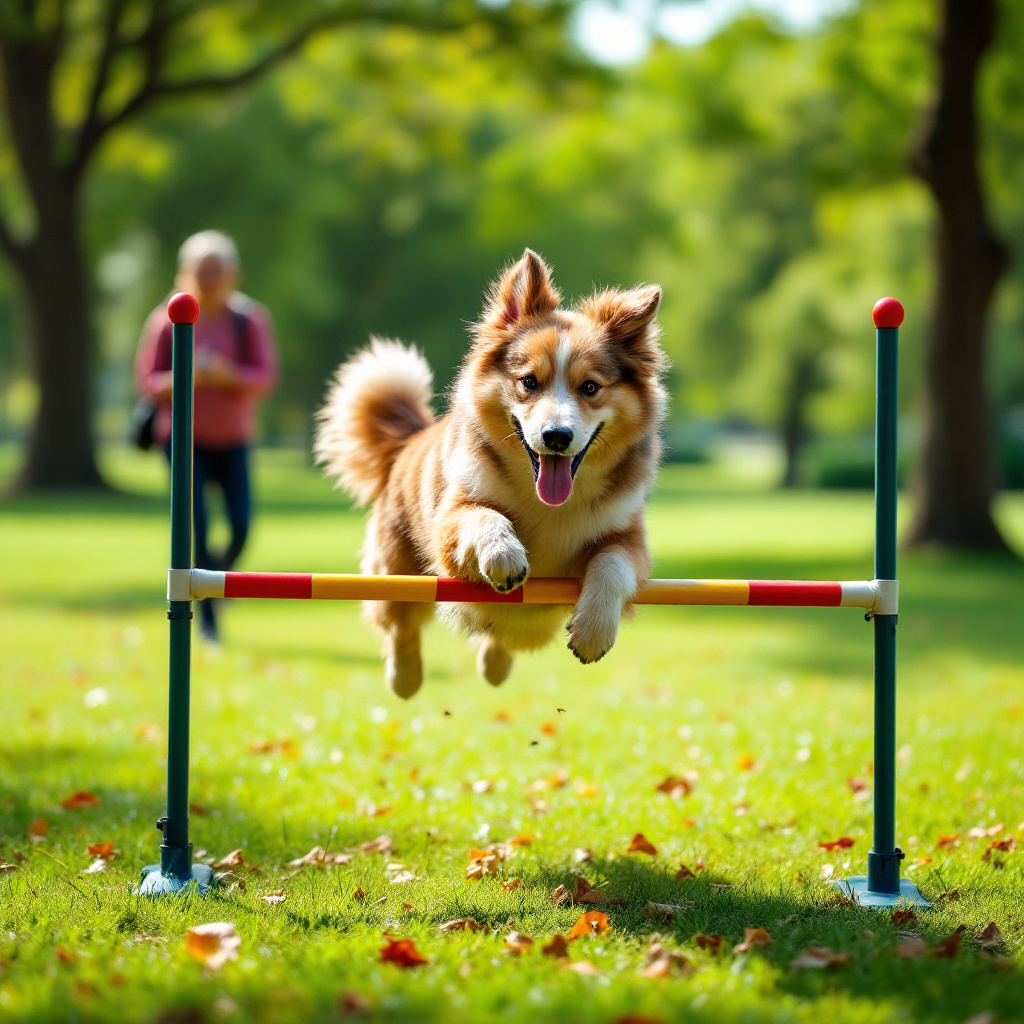
Physical training: This is about more than just the daily walk. Your active companion needs challenges! Think about hurdles, retrieving games or canicross - ideal activities that keep both you and your dog busy. A bike ride together can also work wonders. It is important that you adapt the intensity to your dog's abilities.
Mental stimulation: A tired dog is a good dog, but a dog that is both physically and mentally tired is a happy dog. Puzzle games, search games or learning new tricks are excellent ways to keep your dog's mind ticking over. Have you ever thought of hiding food in an intelligence toy? Give it a try!
The right diet: fuel for the animal athlete
Without the right fuel, even the fittest dog will become dull. As with athletes, nutrition is crucial for the performance of active dogs. So make sure your dog's diet is balanced and nutritious. Here are some ingredients that should not be missing:
- High quality protein: Muscles need protein to develop and regenerate. Choose high-quality food with a high protein content.
- Healthy fats: They are an important source of energy and help to keep joints healthy. Omega-3 fatty acids can be found in salmon oil or linseed oil.
- Calorie intake: Active dogs may need more calories depending on their activity level. Make sure that the amount is adapted to the activity level to avoid overweight or malnutrition.
Tips for avoiding overloading and injuries
Sure, your dog is always ready for fun, but just like us humans, too much of a good thing can be dangerous. Overexertion and injuries are common risks for active dogs. Here are some tips to avoid them:
- Warm up and cool down: Take time to warm up your dog's muscles before training and cool them down after training.
- Take breaks: Do not overtax your dog. Watch out for signs of tiredness and give him time out if necessary.
- Regular visits to the vet: A regular health check helps to recognise and treat potential problems at an early stage.
The mental connection: understanding and communication
Remember that dogs are emotional creatures that form a deep bond with their owners. Building a strong mental connection can have a positive impact on your active dog's behaviour and training. Here are a few ways to strengthen that bond:
- Positive reinforcement: Give lots of praise and rewards when your dog does something right. This motivates him to continue learning.
- Clear communication: Consistent commands and body language help your dog to better understand what is expected of him.
- Time for caresses: Don't forget to show your dog love and affection to build a trusting relationship.
In the world of active canine companions, grooming and training are paramount to ensure these energetic four-legged friends stay happy and healthy. By incorporating these tips into your daily routine, you can create the best conditions for your fit friend! Start the adventure and enjoy every minute with your furry companion.
FAQs
What are the best active dog breeds for outdoor activities?
Some of the best active dog breeds for outdoor activities are the Border Collie, the Labrador Retriever, the Australian Shepherd and the Belgian Shepherd. These breeds are known for their energy, intelligence and enjoyment of outdoor exercise.
How often should I train my active dog?
The frequency of training depends heavily on the breed and the individual Energy level of your dog. In general, active dogs need at least 1-2 hours of exercise per day, divided between walks, runs or other challenging activities. Listen to your dog's needs to ensure that he is neither under- nor over-exercised.
How can I mentally stimulate my dog?
You can mentally stimulate your dog by giving him puzzle toys where he has to work out his food, or by playing search games in the garden. Learning new tricks and commands can also be extremely stimulating. Always vary the challenges to keep your dog's mind active.
What do I do if my dog suddenly doesn't feel like exercising?
If your dog suddenly no longer wants to be active, this could be a sign of excessive demands, boredom or health problems. Firstly, check whether your dog has any injuries or other health problems. If everything seems fine, try introducing new games or routes to rekindle his motivation. Regular visits to the vet can help to recognise health problems at an early stage.