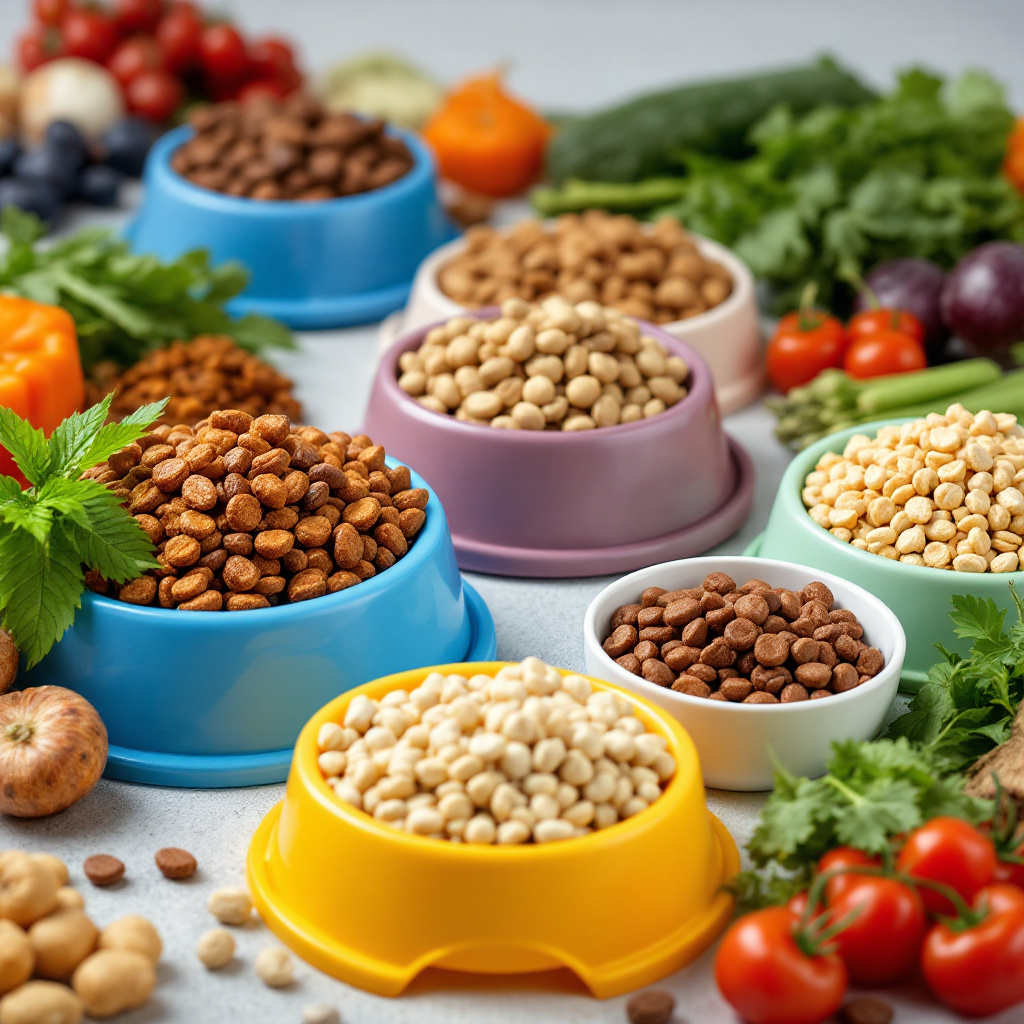

Sustainable nutrition for pets: Scientific breakthroughs in nutritional science
Have you ever thought about how your pet's diet affects the environment? Well, it's time to do just that! With a growing awareness of environmental issues and the urgency to rethink the way we live, sustainable pet nutrition is coming to the fore. The aim is to minimise the environmental impact while ensuring nutritional quality.
Why sustainable nutrition for pets?
We love our furry friends - the mouse doesn't bite off a thread. But their diet can have just as much impact on the planet as our own. Did you know that the production of pet food accounts for up to a quarter of the meat industry's environmental impact? Feed production consumes enormous amounts of water and energy and contributes significantly to environmental pollution.
A sustainable diet can help here. This includes carefully selecting the raw materials for pet food and promoting environmentally friendly production processes. The aim is to support a lifestyle that not only benefits our pets, but also our planet.
The science behind sustainable pet food
Ah, science - the engine that drives the world! When it comes to sustainable pet food, science is constantly finding new ways to be both healthy and environmentally friendly.
Innovative raw materials
Instead of traditional ingredients, scientists are increasingly researching alternative protein sources such as insects and plant proteins. These options not only provide the necessary nutrition for our pets, but also require far fewer resources than traditional animal production methods.
For example, the larvae of the black soldier fly, which are rich in protein, could be a solution. They grow quickly, require little space and water and can be grown from organic waste products.
Circular economy
Circular economy is a concept that is also making a name for itself in the pet food industry. Here, residual materials from other industries are used in animal feed production. For example, brewer's yeast, a by-product of the brewing industry, could be used as an energy-rich ingredient.
How to make sustainable decisions
Now you may be asking yourself: How can I contribute to this? Don't worry, it's easier than you think!
- Find out more: Look for brands that are committed to sustainability. Manufacturers that use organic ingredients and transparent production processes are good options.
- Choose local and seasonal products: By supporting local brands, you reduce the need for transport and the associated emissions.
- Reduce and recycle: Only buy the amount of food your pet actually needs and look for recyclable packaging.
Sustainability is more than just a fad
For many, sustainable nutrition may seem like a new trend, but it is more than that. It is a necessary development to ensure the long-term health of our planet. The choices we make today for our pets can help shape a greener future for generations to come.
What future scientific breakthroughs could mean
With each new discovery in the field of sustainable pet food, it becomes clear that the possibilities are endless. Science is working tirelessly to harmonise the nutritional requirements of our pets with the well-being of the planet.
From the development of even more efficient production methods to completely new types of food, the future of sustainable nutrition is exciting and promising. Our furry friends will continue to be well fed, while Mu, the earth, will be a little less burdened.
The way forward
Switching to sustainable pet food may take a little planning and rethinking, but the positive effects are well worth it. Together, we can make the world a better place by taking small, decisive steps. Start today and help make sustainable food not just a buzzword, but the new standard.
FAQs on sustainable animal nutrition
How do I recognise sustainable pet food in the shop?
You can often recognise sustainable pet food by certain certifications or labels that indicate environmentally friendly manufacturing processes. Also look out for packaging that is made from recyclable materials or has a low ecological footprint.
Are alternative proteins such as insects safe for my pets?
Yes, alternative proteins such as insects are safe and are gaining popularity as a sustainable dietary supplement. They are rich in protein and amino acids, which are essential for your pet's diet, and have been consumed in many cultures for a long time.
Does a sustainable diet affect my pet's health?
A sustainable diet can have a positive effect on your pet's health as long as it contains all the necessary nutrients. As with any dietary change, it is advisable to seek advice from a vet if in doubt.
How can I implement sustainable eating practices at home?
You can start by buying food in bulk to save on packaging, favouring local produce and making efficient use of leftover food. Homemade, balanced meals made from eco-friendly ingredients could also be an option.
Are there differences between sustainable nutrition for dogs and cats?
Yes, there are differences, as dogs are omnivores and can tolerate a wider range of foods than cats, which are strict carnivores. Each diet should therefore be individually tailored to the specific needs of the animal to ensure an adequate supply of all essential nutrients.