Body language of other pets: a look at our exotic friends
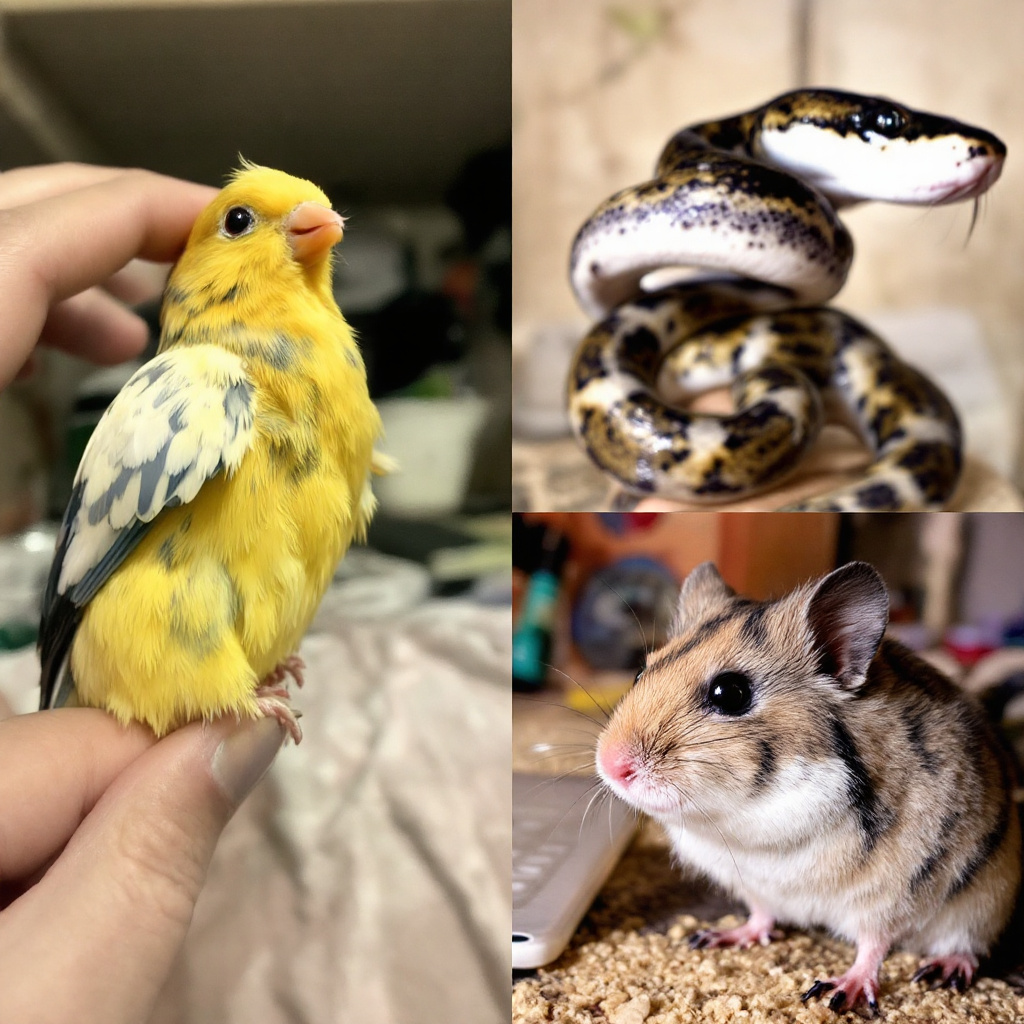
Our furry, feathered and often scaly friends communicate in a way that is far more fascinating than many people realise. As well as the usual pets like cats and dogs, there's a whole world of exotic pets whose body language is just as fascinating. Let's take a deep look at the body language of other pets and find out how we can understand it to provide them with a happy and safe home.
The mysterious world of birds: more than just song
Birds are known for their magnificent plumage and melodic songs. But their communication goes far beyond chirping and singing. Their body language plays an essential role in expressing their well-being.
- Plumage maintenance: When a bird is relaxed, its plumage is smooth and close-fitting. Fluffy plumage can indicate cold or discomfort.
- Wing spreading: Sometimes birds spread their wings to stretch or cool down. But be careful, this can also be a sign of aggression.
- Head movements: A curious or alert bird will frequently tilt its head to explore its surroundings.
- Moment: Rapid closing and opening of the eyelids, also known as „flashing eyes“, indicates interest or excitement.
If we understand these signals, we can create a safe environment in which our feathered friend feels comfortable. By properly understanding the body language of other pets, such as birds, we can better respond to their needs.
Reptiles: strength lies in tranquillity
Reptiles, from turtles to iguanas, are often known for their quiet and slow demeanour. Nevertheless, they also have their own ways of communicating to show us their emotional states.
- Posture changes: A stiffening reptile can warn of fear or aggression. Turtles that retract their heads are trying to protect themselves.
- Tongue movements: Reptiles use their tongues to „taste“ the air and explore their surroundings - a sign of curiosity and interest.
- Colour changes: Chameleons in particular change colour not only as camouflage, but also to express their mood.
- Nod of the head: Some lizards, such as the bearded dragon, nod their heads to show dominance or territorial claims.
By understanding the subtle body language of reptiles, we can improve their quality of life and ensure that they are happy in their terrarium.
Rodents: Small, but full of expression
Rodents such as hamsters, guinea pigs and rabbits are not only cute, but also amazingly communicative. Their body language can tell us a lot about their inner life.
- Grind your teeth: This can indicate both contentment, as in the purring of a cat, and stress - the context is crucial.
- Jump up: Sudden jumping or popcorning in guinea pigs shows joy and excitement.
- Ear posture: In rabbits, ears pointing forwards show interest; ears pointing backwards can indicate fear or aggression.
- Rummaging and digging: Normally a sign of contentment or playful behaviour, especially when they bury themselves in hay or litter.
Rodents are amazingly versatile little creatures, capable of expressing their emotions in a variety of ways. Their well-being can be significantly improved by a clear understanding of their body language.
Why is it important to understand the body language of other pets?
By recognising the body language of our exotic pets, we enable them to lead a comfortable and stress-free life. Understanding the body language of other pets is the key to being able to respond to the individual needs of our animal friends.
Interactions with our pets are not only harmonious, but also enriching. Whether you are an experienced pet owner or thinking about bringing an exotic pet into your home: A basic understanding of their body language is essential.
It is all the more important to pay attention to the often subtle signs and gestures. This enables us to live in harmony with our pets and build a trusting relationship in which both humans and animals are happy and content.
Undiscovered treasures of animal communication
While our cats and dogs already need experts to understand them, exotic pets open up a whole new dimension of body language. Every flap of the wings, every colour change and every nod can tell a story that is just waiting to be heard.
Yes, we are immersed in the world of other pets' body language and equipped with this knowledge to recognise a message in every little detail. This adventure into the depths of animal communication is well worth undertaking. Ultimately, it offers us the opportunity to better understand our small, feathered and scaly companions and give them the best life we can.
So, what are you waiting for? Start decoding the fascinating language of your exotic friends today and enrich your life together immensely.
FAQs on the body language of other pets
Which exotic pets communicate through body language?
Many exotic pets such as birds, reptiles and rodents use body language to express themselves. They use their postures, movements and other physical signals to communicate their emotions and needs.
How does an iguana show that it is stressed?
A stressed iguana can signal that it is feeling unwell by changes in colour such as darkening or retraction of the body. A thumping tail can also be an indication of stress or a defensive posture.
What signs do hamsters show when they are happy?
Ein glücklicher Hamster zeigt oft aktives und neugieriges Verhalten. Er läuft viel herum, buddelt in seinem Streu und kann auch leises Schnaufen oder Fiepen als Zeichen seiner Zufriedenheit von sich geben.
Was sind typische Anzeichen für Aggression bei Papageien?
Bei Papageien kann Aggression durch Anheben der Flügel, starkes Beißen und lautes Kreischen angezeigt werden. Auch aufgeplustertes Gefieder und gerichtete Blicke können darauf hinweisen, dass Vorsicht geboten ist.