Grooming and hygiene: the importance of proper dog care
Oh, our four-legged friend! A faithful companion who loves to romp through the rain with us, roll around in the mud pit or simply spend hours on the sofa. But it is precisely this thirst for adventure that also brings with it a few challenges when it comes to Personal care and hygiene goes. The amount of grooming required varies considerably depending on the breed of dog. In this article, we shed light on the art of dog grooming by taking a detailed look at the requirements of different breeds.
The importance of grooming and hygiene for dogs
Who would have thought that dog grooming has so much in common with our own grooming routine? Just as we humans love a shower and regular grooming, dogs also benefit from similar attention. Grooming and hygiene for dogs is not just a matter of aesthetics, but essential for their health and well-being.
Here are some reasons why grooming is so important for dogs:
- Healthy skin and coat: Regular brushing removes dirt and dead hair, allowing the skin to breathe.
- Prevention of infections: Clean ears and trimmed claws reduce the risk of infections and injuries.
- Early detection of health problems: Frequent care gives us the opportunity to recognise any anomalies such as lumps or parasites at an early stage.
Dog breeds and their care requirements
Yes, every dog breed has its own grooming and hygiene needs. While some breeds are almost maintenance-free, others might need a grooming salon right in their home. Let's take a look at some of the most common breeds and their grooming needs:
Long-haired beauties: To fall in love with, but costly!
- Afghan greyhound: With its long, silky coat, the Afghan greyhound is the epitome of elegance. But beware! This impressive coat requires daily brushing to keep it free of knots and tangles.
- Shih Tzu: This cute little face is there to be cuddled, but his coat requires regular bathing and grooming to keep it looking fantastic.
Shorthair breeds: Grooming made easy
- Dalmatian: These iconic dogs with their eye-catching patches only need occasional brushing to remove loose hair. However, care should be taken with their sensitive skin.
- Boxer: Their care is relatively uncomplicated - a weekly brushing and their short coat will shine.
Dogs with special grooming needs: more than just a brush
- Poodle: Regardless of whether you have a dwarf or royal poodle, their curly mane needs a regular professional haircut to prevent the coat from going wild.
- Basset Hound: In addition to grooming, these dogs require regular ear checks and cleanings due to their droopy ears, which are prone to infection.
Essential grooming practices for dog hygiene
Let's take a look at some basic practices that are essential for your dog's health and hygiene, regardless of breed.
Bathing: How often is enough?
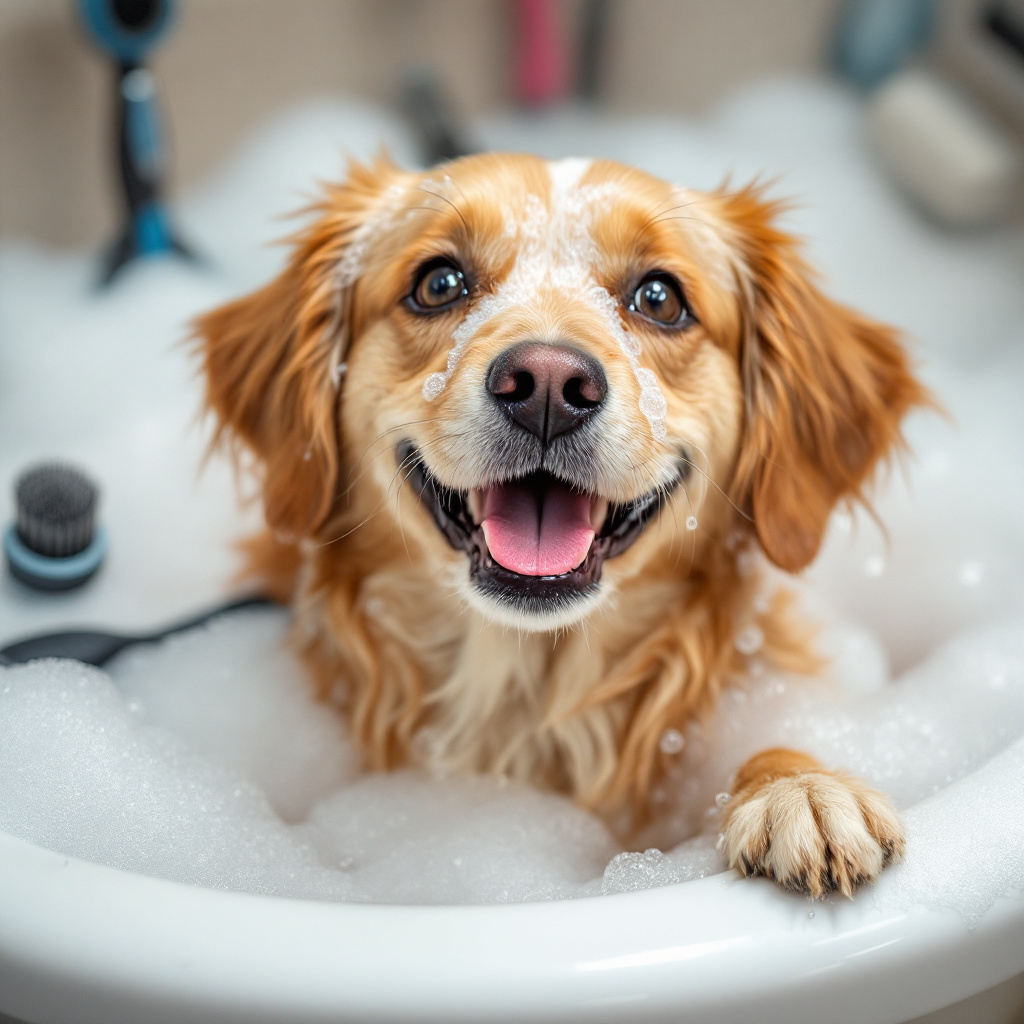
Are you plagued by the question of how often your dog needs a bath? Well, there is no one size fits all. The general consensus is to only bathe dogs when it's really necessary. Over bathing can strip the skin of its natural oils and dry it out. One bath per month to every few months is sufficient for most coat types, but exceptions prove the rule.
Brushing: a ritual with added value
Brushing is not only a grooming ritual, but also a wonderful way to strengthen the bond between humans and animals. Most dogs enjoy the gentle strokes of a brush, and it is an excellent opportunity to remove loose fur and distribute the coat's natural oil. Depending on coat length and type, brushing should vary from daily to weekly.
Cutting claws: The underestimated art
Some dogs seem to be able to control their own claws, while others need a regular haircut to keep them short and safe. Claws that are too long can cause pain or injury, so make sure you trim them regularly. Don't worry, with practice it will become routine!
Ears and teeth: often forgotten, but extremely important
Clean ears and healthy teeth are essential, even if they are often overlooked in the grooming routine.
- Ears: Use damp cotton balls to clean the ears and check regularly for abnormalities such as redness or foul odour that could indicate an infection.
- Teeth: Dog dental care can be supported by special dog toothbrushes and pastes. Give your dog chewing bones and toys to help with dental care.
Transition to professional care
For some breeds or in certain situations, going to a professional groomer might be the way to go. Especially for breeds with complex coat structures or special grooming requirements, a professional can work wonders. But don't worry, most basic grooming routines can easily be done at home.
Strengthening the emotional bond through care
Oh, the grooming! It's not just a chore, but a labour of love that can strengthen your trust and emotional bond with your dog. Imagine your dog enjoying every brushing session like a spa treatment, closing his eyes and sighing contentedly. These moments are priceless.
Conclusion
Grooming and hygiene are essential for the well-being of our dogs. Whilst the requirements vary, the basic principle remains the same: love, attention and a little commitment are the key to a well-groomed, happy and healthy four-legged friend. So why not start a grooming session today? Your furry friend will thank you with a wagging tail.
FAQs
What is the difference between personal hygiene and body care?
The difference between grooming and personal hygiene lies mainly in the intention and focus of the activities. Personal care includes everything that contributes to maintaining the external appearance and comfortable well-being, such as brushing the coat or skin care. Personal hygiene, on the other hand, focuses on preventing health problems by removing germs and dirt through regular washing and sanitising.
Which grooming techniques are particularly important for different dog breeds?
Each dog breed has specific grooming needs. Long-haired breeds such as the Afghan Hound require frequent brushing and regular baths to avoid tangles and knots. Shorthaired breeds like the Boxer require less frequent brushing, but still need regular coat checks. Finally, curly dogs like the Poodle need professional haircuts to keep their coats healthy.
How often should you bathe a dog?
The ideal bathing interval depends on the dog's coat type and lifestyle. In general, dogs should only be bathed when necessary - usually every few months. Excessive bathing can remove natural oils from the skin and dry it out. It is important to use mild dog shampoo to minimise the risk of skin irritation.
What role does dental care play in dog hygiene?
Dental care is an often neglected but crucial part of dog hygiene. Regular brushing and the use of dental care toys protect against dental problems and bad breath. Uncontrolled problems can lead to serious health issues, so dental care should be an integral part of the grooming routine.
When should a professional groomer be called in?
A professional groomer is particularly advisable for breeds that require a lot of grooming or have special needs. If you have difficulty grooming your dog's coat, or if there are complicated hairstyles that require regular maintenance, a visit to the groomer may be advisable. Regular professional grooming can help to support your pet's long-term health and appearance.