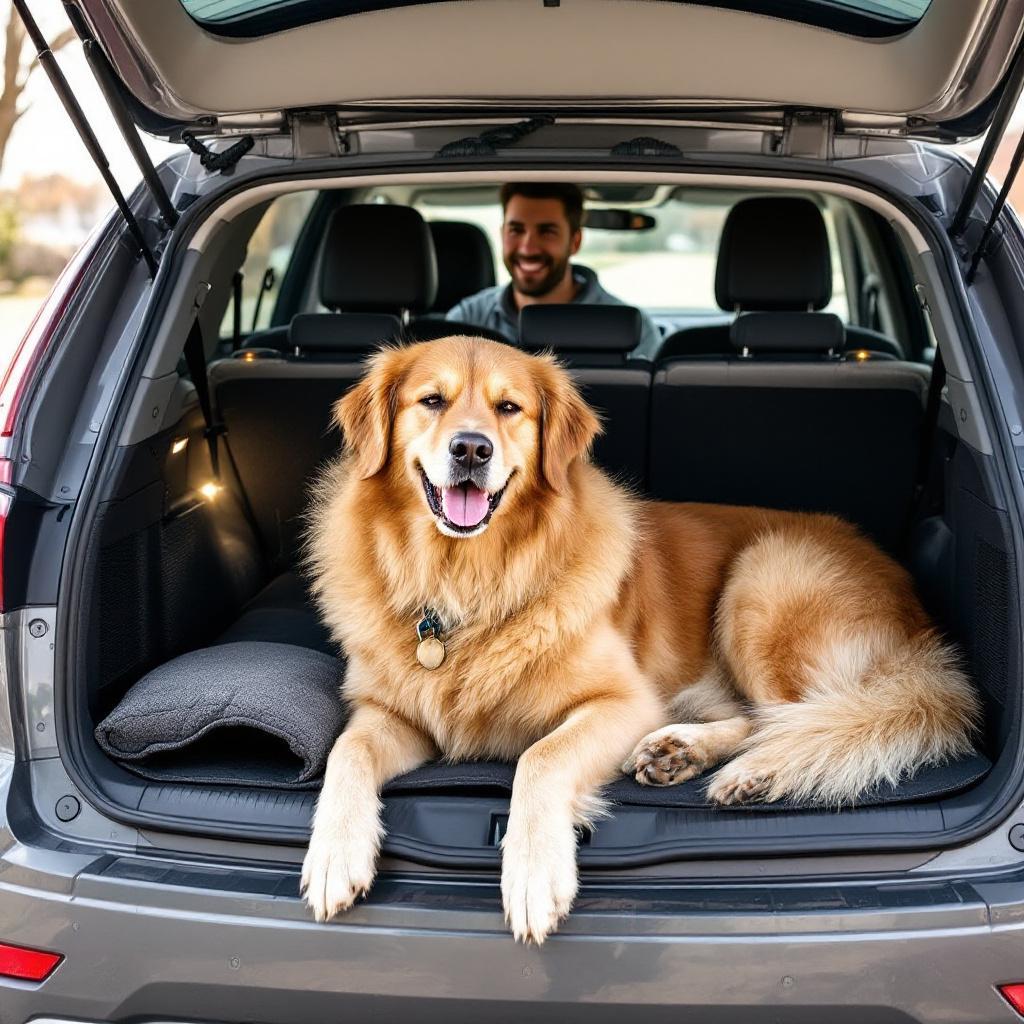

Dog tax in different cities: an overview and comparison
Dog tax - it's a tiresome but unavoidable topic for every dog owner in Germany. But why is it higher in some cities than in others? And how does it affect the daily lives of dog owners? In this article, we take a closer look at the Dog tax in different cities and the differences between the federal states.
What is the dog tax and why does it exist?
Dog tax is a municipal tax that must be paid by dog owners. It was originally introduced to regulate the number of dogs in urban areas and generate revenue for city coffers. Even today, it is still used to finance public expenditure related to dog ownership, such as the installation of poo bag dispensers and the maintenance of dog exercise areas. Sounds quite pragmatic, doesn't it?

Regional differences: Why do the tax amounts vary?
Where do the differences in dog tax in different cities come from? The answer lies in the autonomy of the local authorities. Each city can decide independently on the amount of the tax. As a result, dog owners in Mainz are heavily taxed with a tax of 186 euros per year, while in small municipalities in rural areas, for example, only 20 euros per dog are payable in some cases.
- Urban vs. rural: Smaller towns and rural communities often demand lower tax rates as there is less pressure on urban infrastructure and public spaces.
- Financial needs of the city: Cities that are more dependent on dog tax revenue tend to set higher tax rates. This is often the case in financially weaker municipalities.
- Regulations for listed dogs: Some cities levy higher taxes on dog breeds categorised as dangerous in order to regulate their keeping.
The highest and lowest dog taxes by city
A look at the figures shows that the dog tax in various cities is not just a marginal difference. Here are a few examples to illustrate this:
- Mainz: At 186 euros, Mainz is one of the top candidates when it comes to high dog taxes.
- Bonn: Not much cheaper, with a tax rate of around 180 euros per year.
- Berlin: Here, dog owners pay around 120 euros, which is in the middle range compared to the rest of Germany.
- Leipzig: One of the cheaper large cities at around 80 euros per year.
- Small towns and villages: Many rural municipalities charge less than 30 euros, depending on the region.
Possible reasons for differences in dog tax
So why are the differences still so great? There are various factors that influence these differences:
- Demographics: Cities with a higher population density could use the tax to regulate the number of dogs and protect the public from excessive dog ownership.
- Local policies: Different political and administrative priorities at local authority level influence the level of dog tax.
- Infrastructure assessments: Cities with well-developed dog meadows and parks could justify higher taxes.
How dog tax affects the everyday lives of dog owners
Even if the dog tax does not seem economically significant, it still has an impact on the lives of dog owners. High taxes can, for example:
- Influencing the decision to adopt another dog.
- Consideration of moving to a more dog-friendly city or region.
- Limit the budget for other pet-related expenses, such as vet fees and special dog food.
Implications for future dog owners and relocation plans
For those considering relocating or adopting a dog, knowing the regional dog tax rates can be crucial. Moving to a city with low dog taxes could offer significant financial benefits in the long run. However, other factors such as the availability of dog parks, pet-friendly neighbourhoods and veterinary care should also be considered.
To summarise, the dog tax in different cities not only shows the economic and administrative differences between the regions, but also reflects a small piece of the culture and way of life in Germany. So, whether you live in a cosy rural community or a vibrant metropolis - don't forget to register your pooch for tax!
Opinions may differ on the subject of dog tax, but one thing is certain: no matter how high the tax is, the joy of having man's most loyal companion remains priceless.
FAQs
Where do you pay the least dog tax in Germany?
The lowest dog tax is often levied in smaller rural communities. For example, there are places where only 20 euros per year are due. Compared to the larger cities, dog owners in Leipzig and Dresden pay the least at around 80 euros per year.
Is the dog tax the same everywhere?
No, dog tax varies greatly in Germany. It is not standardised, but each city or municipality sets its own rates. Some use graduated rates, where additional dogs become more expensive or certain dog breeds are subject to higher taxes.
Where is the highest dog tax in Germany?
In Mainz, the dog tax is particularly high at around 186 euros per year, making it one of the top German cities. Other cities such as Bonn and Wiesbaden are also in the upper range with annual costs of around 180 euros.
Why are there differences in dog tax?
Differences in the dog tax result from the autonomy of the municipalities, which can set this tax independently. Factors such as the financial needs of the cities, population density and specific local rules influence the amount of the tax.
Do certain dog breeds have to pay more tax?
Yes, in some cities there are higher tax rates for dog breeds that have to be listed or are categorised as dangerous. This is intended to regulate the keeping of these animals and control the number of four-legged friends in urban areas.