
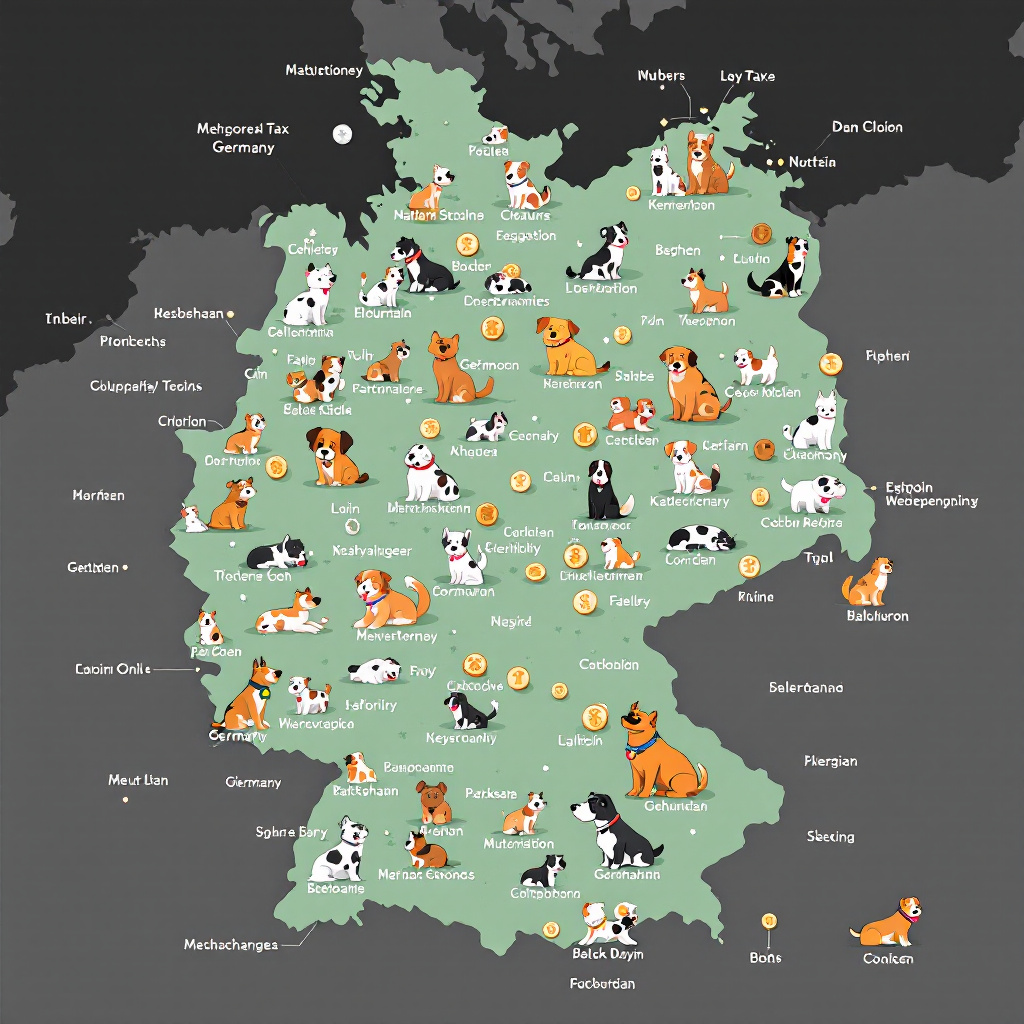
Dog tax in different cities: a look at the differences and extra sausages
Ah, the dog tax! That mysterious tax that not only puts a smile on every German dog owner's face, but also a hole in their wallet. Dog tax in different cities can be a pain in the arse, especially if you're planning to move with Bello to Berlin or from Munich to Mainz. It's not all as black and white - or pack-wise - as you might think. Let's dive into the world of Dog tax, and discover what surprises the various German cities have in store!
What is the dog tax anyway?
The dog tax was originally introduced to regulate dog ownership and help keep cities clean. Sounds sensible, doesn't it? In fact, it is also a welcome source of income for cities. The revenue is intended to help finance dog waste disposal and animal shelters, among other things. Every dog owner is obliged to pay this tax - but the amount can vary greatly. In Germany, it is the municipalities that decide on the amount and details of the dog tax.

Dog tax in different cities: Where do you have to dig deep into your pocket?
A quick overview shows that the dog tax in Mainz in 2022 was 186 euros for the first dog, making it the most expensive city in Germany. In comparison, you normally pay around 120 euros in Berlin. Meanwhile, in smaller cities like Emden, you can get away with paying around 20 euros, almost like a king.
If you're thinking of moving to another city with your four-legged friend, here are a few examples that will make your ears prick up:
- Hamburg: Here, dog owners pay around 90 euros per dog per year. That almost makes you feel coecological.
- Munich: The Bavarian metropolis charges a hefty 100 euros a year, which can really piss you off.
- Cologne: Around 156 euros are due, hardly surprising that dog life in the carnival city is so exciting.
Exemptions from dog tax: Who can avoid the tax?
Well, not everyone has to dig deep into their pockets. In fact, there are some exemptions that might make dog lovers laugh heartily. Here are some of the common exemptions from dog tax that you should know about:
- Guide dogs for the blind: They are generally exempt from tax.
- Rescue and therapy dogs: These four-legged heroes do not normally require a tax payment either.
- Puppy breeder: Many cities waive the tax for dogs that are used specifically for breeding.
Some cities also offer an introductory delay for new dog owners. This means that dog owners may be able to enjoy a few months tax exemption to get used to the new financial obligation.
Regional differences: North, South, East, West - Who has the steepest taxes?
Germany may have numerous cities, but the differences in dog tax could hardly be more absurd! One significant aspect is that the tax is often not just limited to the first dog - anyone who keeps several dogs should be prepared for a hefty bill.
Bavaria has the highest differences within a federal state: While Nuremberg charges around 132 euros per year, dog owners in Passau get away with just 50 euros. Well, white-blue diversity à la map!
In the north, including Schleswig-Holstein and Mecklenburg-Western Pomerania, tariffs are often lower. Kiel, for example, charges an average of 96 euros, while Rostock is comparatively modest at around 30 euros.
Why are these differences so significant?
The reasons for the different dog tax rates could hardly be more varied: from the number of registered dogs in a region to the financial situation of the local authority. In some neighbourhoods, the tax is also used as a management tool to control the dog population, especially for breeds classified as dangerous.
Some cities also use the dog tax as an initiative for more animal-friendly municipal policies by investing the revenue in dog meadows and parks. Meanwhile, others simply use the tax as a source of income.
Conclusion: Make your four-legged friend fit for travelling or a wedding anniversary instead of a day of purchase?
Not all roads lead to Rome, at least not in terms of taxation. The dog tax in different cities is as varied as the German landscape. Sometimes it ranges from a few euros to a small fortune. So if you move to another city, be sure to clarify your practice to avoid any sudden surprises. And don't let your best friend eat your tax buck - smart planning is key!
As with any tax, knowledge is power. Always inform yourself thoroughly about your future home on four paws and only then embark on the adventure. All in all, there are a few extra sausages and tricks, but dog happiness lies in the details. Finally, with a smile: after all, a dog is man's best friend, right?
FAQs
Where do you pay the least dog tax in Germany?
Dog tax is often lower in smaller towns and rural areas. One example is the city of Rostock in Mecklenburg-Western Pomerania, where dog owners only have to pay an average of around 30 euros per year, which is remarkably favourable compared to larger cities.
Is the dog tax the same everywhere?
Nope, there is no standardised regulation on dog tax in Germany. It is levied at local authority level, which means that each city or municipality can set its own rates and regulations. This results in the significant differences that we observe between the various cities.
Where is the highest dog tax in Germany?
Mainz holds the top spot in the dog tax Olympics, where dog owners had to pay a whopping 186 euros per year for their first dog in 2022. This considerable burden puts it at the top of the list of German cities in terms of dog tax costs.
Is it possible to reduce the dog tax?
Yes, in addition to the exceptions already mentioned, such as guide dogs for the blind or rescue dogs, some cities offer discounts or exemptions if the dog was adopted from an animal shelter. It is worth enquiring with the relevant authorities to maximise any potential savings.
What happens if I do not register my dog?
Then it gets tricky! Missed registrations or incorrect information can lead to hefty fines. It is advisable to register your dog within the specified deadlines to avoid incurring unexpected costs.