Herding dogs: the tireless guardians of our herds
Herding dogs have been at the side of herdsmen and shepherds for centuries, providing indispensable services in livestock farming. But what makes these extraordinary dogs so special? We aim to answer this question in this article by providing fascinating insights into the life and work of herding dogs. From their versatile abilities to the best-known breeds - here's everything you need to know about the herding dog.
What makes a herding dog?
Herding dogs are true masters in handling livestock. They are characterised by exceptional intelligence, agility and a strong will to work. No wonder they are prized throughout Europe and in many other regions of the world. The ability to keep a herd together and lead it through rough terrain in a controlled manner is no coincidence. „Old dog“, as they say, does not become a herd protector of old grist and grain - these talents are often bred and trained over several generations.
Intelligence and instinctive decisions
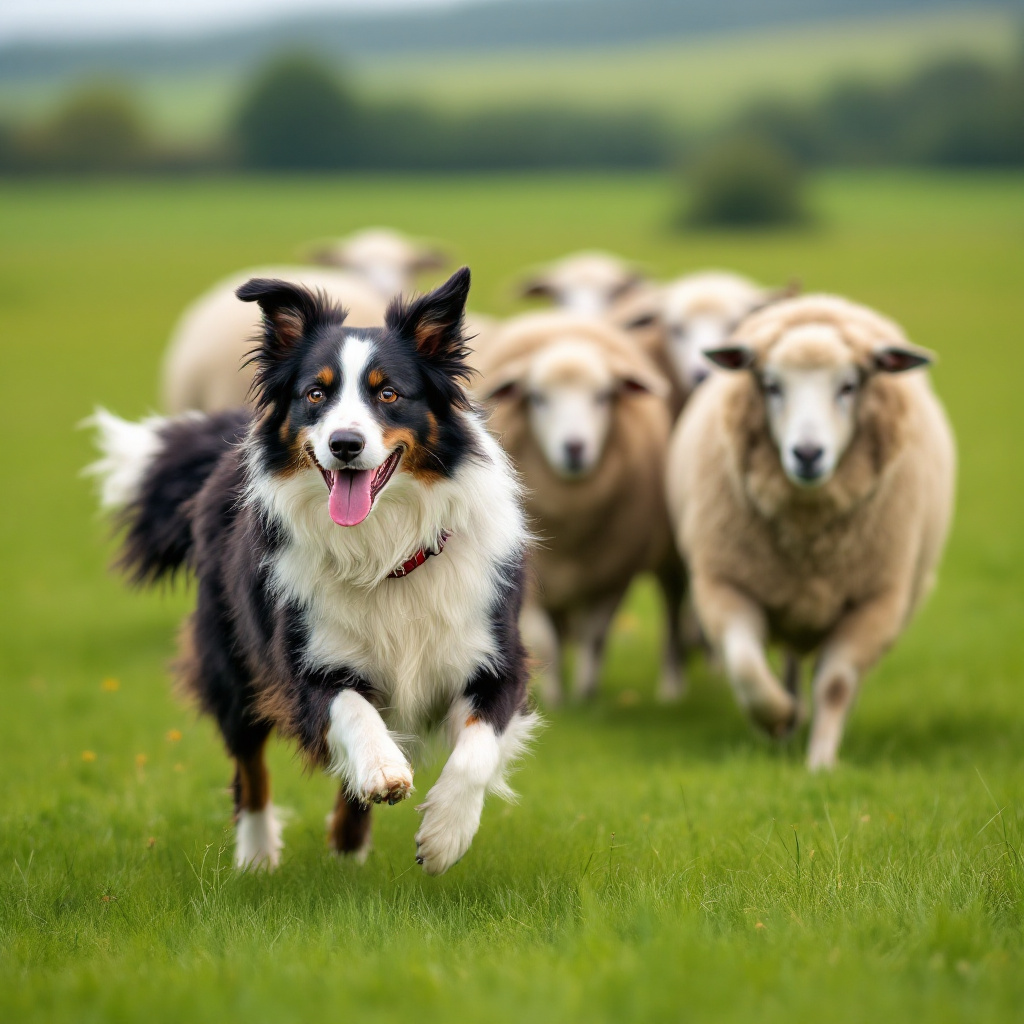
One of the most striking characteristics of herding dogs is their excellent intelligence. They have to make quick decisions, often without needing direct instructions from humans. Whether they are assisting shepherds in adverse weather conditions or directing relentless sheep, they simply know what to do. These clever four-legged friends know their job and are able to lead a flock in a disciplined manner.
Agility - the be-all and end-all
Speed and agility are the be-all and end-all of a successful herding dog. They must be nimble and manoeuvrable enough to keep pace with spirited animals - or even run ahead of them. A great herding dog masters the terrain without major problems, whether in the marshy ground of a pasture or on the steep slopes of mountain pastures.
Collaboration and bonding with people
What would a herding dog be without its co-operation with humans? In fact, the bond between humans and four-legged friends is a decisive factor in their effectiveness. They work in harmony with the herders, almost telepathically, to find the best way to fulfil their tasks. This symbiosis results in impressive teamwork that often sets standards.
Popular herding dog breeds and their special characteristics
- Border Collie: The Border Collie is probably the best known of the herding dogs. With its high intelligence and unrivalled eagerness to work, it can master almost any challenge.
- Australian Shepherd: This lively four-legged friend is not only suitable for working on the ranch, but is also a master of versatility. His blaze of colour is just as remarkable as his practical talent.
- German shepherd dog: Originally bred as a herding dog, today the German Shepherd is primarily known as a police dog. It possesses immense strength and intelligence.
- Shetland Sheepdog: Also known as the „Sheltie“, this fluffy friend is a compact herding dog. Its playful nature does not disguise its abilities.
The fascinating history of herding dogs
Let's take a look at the history books: even in ancient civilisations, dogs acted as loyal companions to humans in livestock farming. In Britain and the highland regions of Europe, breeds such as Collies played a crucial role in sheep farming. The relationship between humans and dogs developed far beyond work-related interactions and often formed an emotional bond.
Current areas of application: Far more than just guardians
In modern times, the areas in which herding dogs are used have diversified. Apart from farming, they now also help in search and rescue missions, in the service of people with disabilities or even in occupational therapy. Their quick understanding of processes and ability to communicate with people make them true all-rounders in today's society.
Herding dogs as loyal family companions
Herding dogs are no less valuable as family members. Their loyalty, gentle nature and patience make them wonderful companions who are equally welcome in turbulent and peaceful times.
Summary: Why we should be grateful to our herding dogs
Without question, herding dogs have always been irreplaceable helpers in livestock farming. From the stony fields of Spain to the rugged slopes of the Scottish Highlands, they have proven their loyalty and hard-working spirit for generations. Thanks to their intelligence, agility and unstoppable appetite for labour, they have written an important chapter in the history of human success. The next time we visit a farm or go for a walk in the countryside, we can certainly show even more respect and appreciation for herding dogs. They deserve to be called the silent heroes of our pastures and meadows.
FAQs
Which dogs are herding dogs?
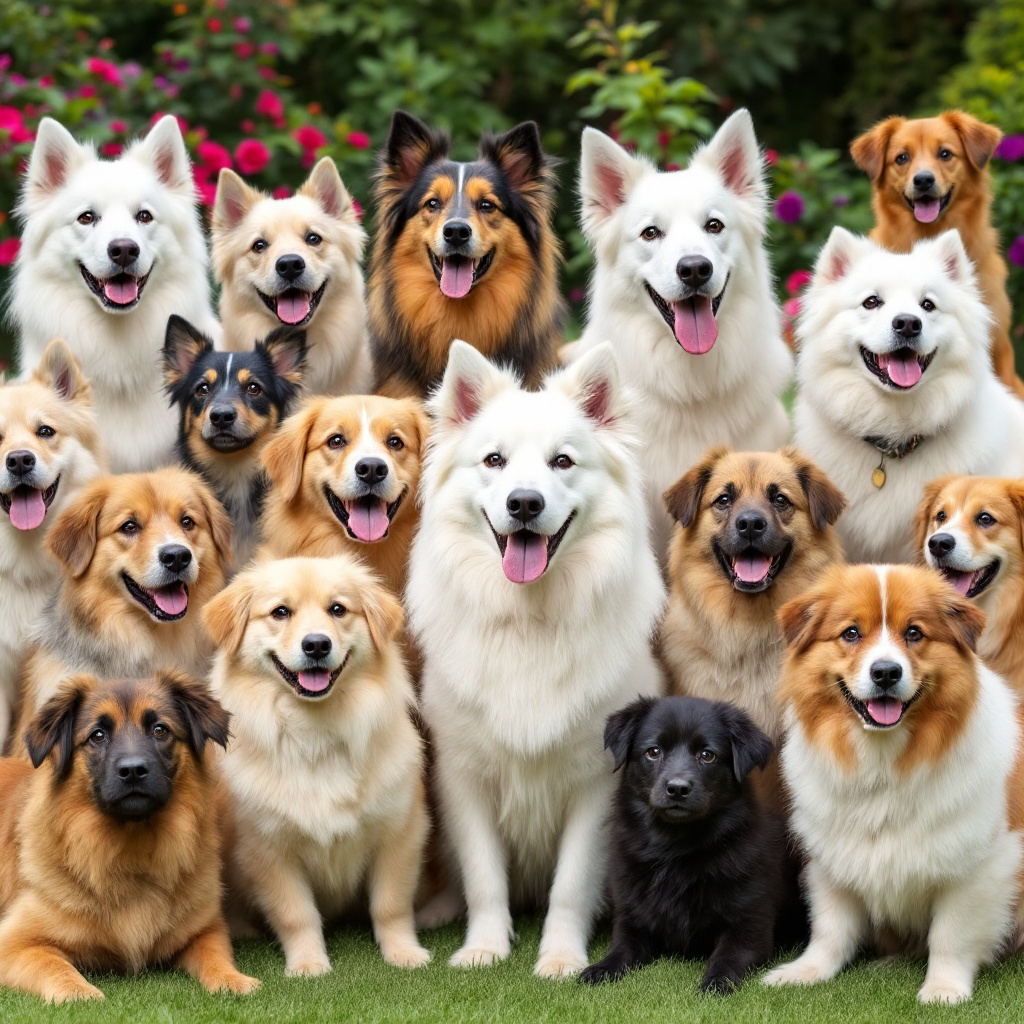
The well-known herding dogs include
- Miniature Australian Shepherd
- Shorthair collie
- Pumi
- Welsh Corgi Pembroke
- Komondor
- Schipperke
- Australian Cattle Dog
- Lancashire Heeler
Are herding dogs suitable as family dogs?
Yes, herding dogs are usually fond of children and are known as easy to train family dogs. They are the ideal leisure partner and can be loyal companions in all situations. Nevertheless, it can happen that the supposed dream dog turns out to be demanding. Their energy and need for activity require dedicated care.
What needs to be considered with herding dogs?
Herding dogs are often affectionate and protective of their family, especially children. However, they can be territorial and sceptical of strangers. Early socialisation plays an important role in ensuring that they are comfortable in all situations and that their behaviour is optimally adapted. Regular training is also essential to utilise their strong will to work productively.