
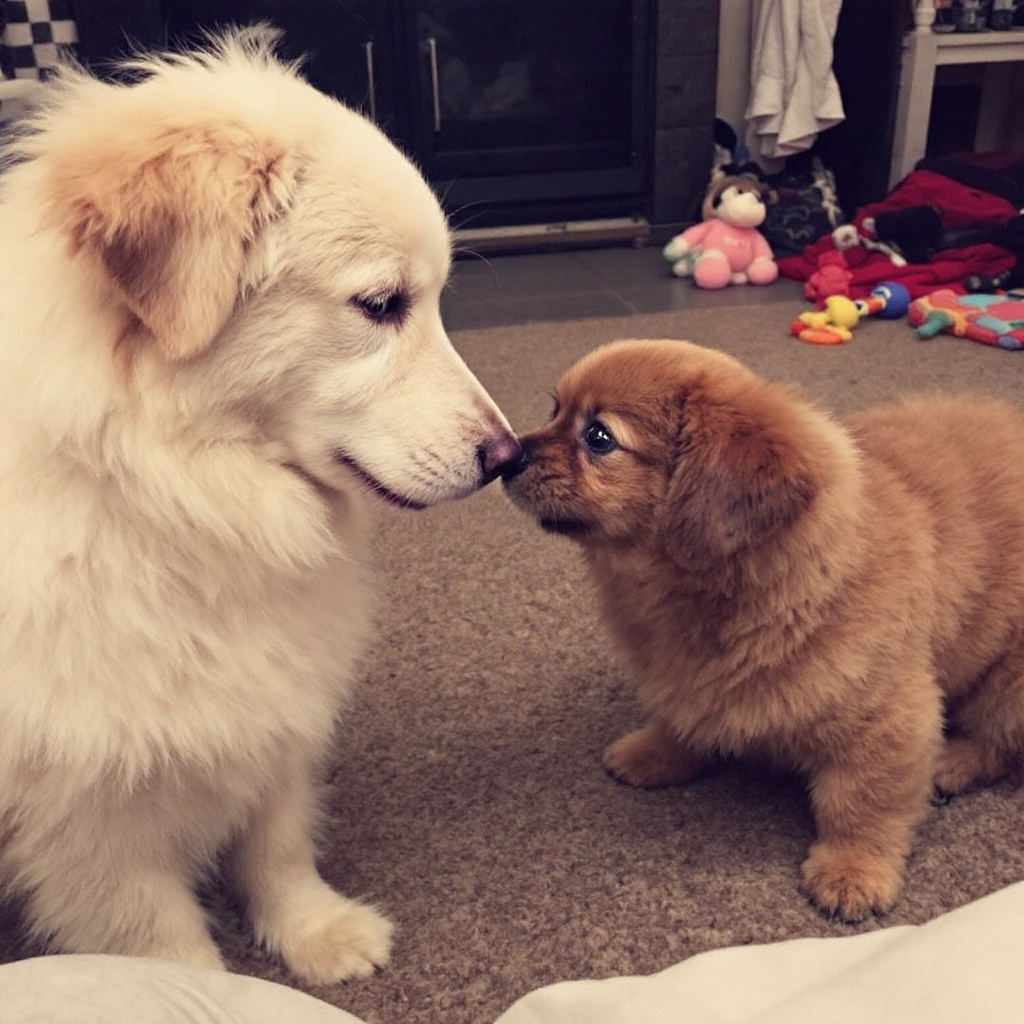
Getting pets used to each other: Behavioural indicators during reunification
When the arrival of a new furry family member is imminent, the anticipation is often immeasurable. But at the same time, concerns about the existing pet are unavoidable. Getting pets used to each other can be an exciting but also challenging phase in your life. Understanding behavioural indicators during this reunion is key to smooth integration and a harmonious relationship between your pets.
Why the first meetings are crucial
The first meeting often determines how the future relationship between pets will develop. A wrong start can set back months of compatibility expectations. That's why you should prepare well and handle the first contact with care. But what exactly should you look out for?

Behavioural indicators that you should be aware of
Body language is the compass when trying to get pets used to each other. Here are some important behaviours to watch out for:
- Body tension: If the animals appear tense, this could indicate insecurity or potential aggression. A relaxed body, on the other hand, signals relaxation.
- Ears and tail: Ears pointing forwards and a loosely hanging tail normally indicate curiosity. Folded ears and an erect tail, on the other hand, indicate discomfort.
- Behaviour of the breath: Heavy panting or snapping can be a sign of stress or excitement.
A step-by-step approach: the key to harmony
The introduction should be gradual. And yes, patience is worth its weight in gold here. Here's how it works:
- Exchange odours: A hidden secret during the introduction: Let the animals get used to each other's odours before they physically meet. Swap their blankets or toys.
- Set up visual barriers: A grid or net can provide valuable services. It allows the animals to see each other without physical contact, which takes the pressure off.
- Keep it short and controlled: Initially, the meetings should take place under supervision and for a short time. This gives them the opportunity to slowly get used to each other without overstretching themselves.
- Use positive reinforcement: Reward calm behaviour and progress with treats. They create positive associations with the presence of the other animal.
Common problems and solutions
Problems are a dime a dozen; here are the most common ones and their solutions:
- Jealousy: If one of the pets starts to make demands and constantly wants to exclude the other pet, it might be time to give them extra attention and bonding time.
- Aggression: Sudden aggression can be caused by stress or territorial behaviour. In this case, it is advisable to separate the animals (temporarily) and consult an expert.
- Fear and withdrawal: An animal that appears anxious or withdrawn may benefit from a calm environment and gradual contact.
Increase success: tips for long-term livestock farming
Even after the first successful encounter, we need to keep an eye on the dynamics. Here are some tips:
- Regular quality time: Interacting with both animals and spending time together promotes bonding and reduces jealousy.
- Clear feeding times: Feeding separately, but at the same time, can help to reduce tensions in the fight for resources.
The bottom line: patience pays off
Getting pets used to each other requires time, patience and an understanding of the individual personalities of our animal flatmates. The key is to proceed with caution and treat their needs with respect. Ultimately, harmonious coexistence can be a fulfilling and happy experience for everyone involved. So, proceed with caution and patience and your animal flat share is sure to be a complete success!
FAQs
How long does it take for two different animal species to get used to each other?
The familiarisation period between two different animal species, such as a dog and a cat, can vary greatly. It can take anything from a few weeks to several months. The speed and success of familiarisation depends on the personalities and previous experiences of the animals. Patience and continuous positive reinforcement are crucial.
Is it possible that two pets never get used to each other?
Yes, sometimes two pets just can't make friends with each other. Despite all efforts, the animals may simply not be compatible. In such cases, it is important to ensure the safety and well-being of both animals by finding alternative solutions, such as separate rooms or caring times.
What should you do if your pets react aggressively to each other?
If aggressive behaviour occurs, it is important to intervene immediately. Firstly, the animals should be safely separated to avoid injury. Then it would be sensible to reduce the circumstances that have led to this reaction and consider professional help to assist with further habituation.
Are certain animal species more difficult to get used to than others?
Yes, some animal species can be more difficult to get used to each other due to their natural instincts and behaviour. For example, dogs that have a strong hunting instinct may have difficulty integrating with smaller animals such as cats and rodents. It is important to consider the individual characteristics of each species and act accordingly.