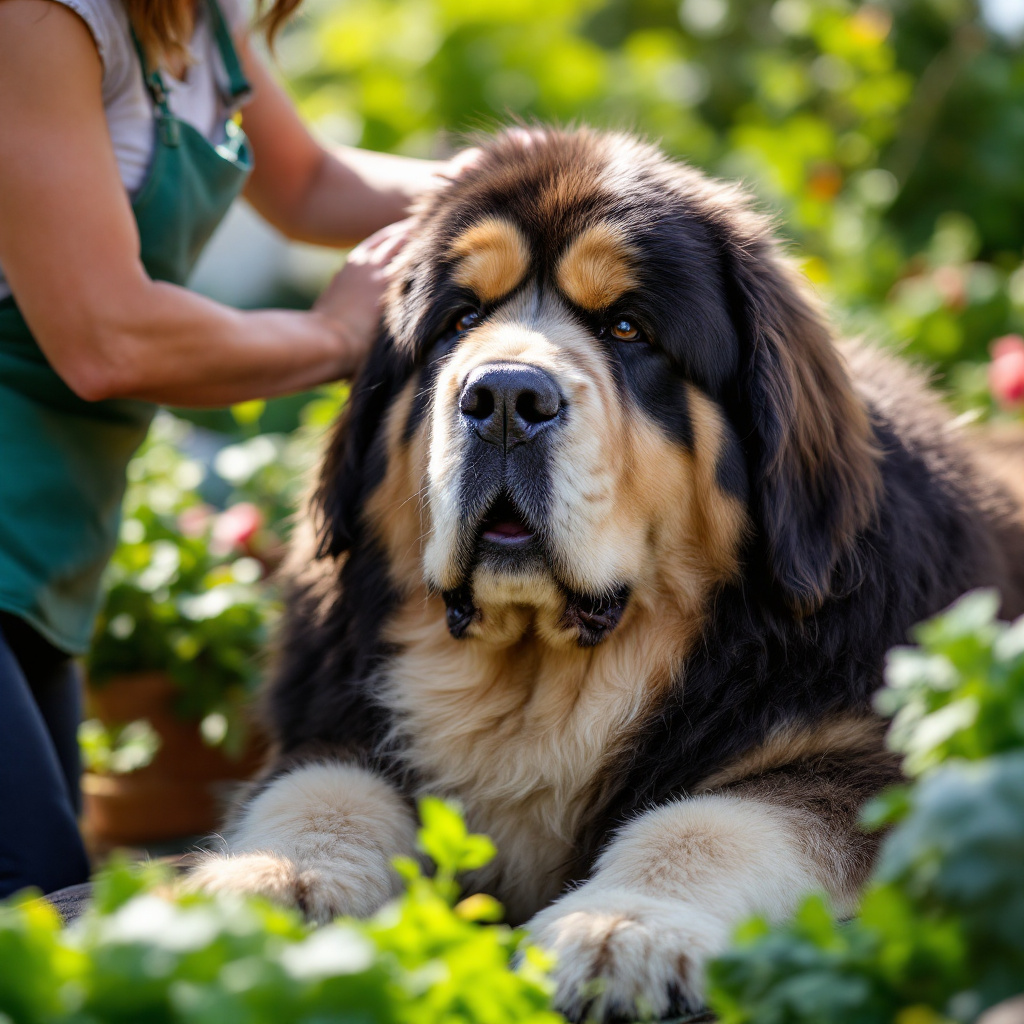

Frequent health problems in older hunting dogs: Staying fit and healthy in old age
It's a familiar image: an elderly hunting dog roaming the woods and fields alongside its owner, tirelessly searching for prey. But with increasing age, even hunting dogs are not immune to the classic health problems associated with the ageing process. Especially for older people who rely on small hunting dogs, it is important to pay attention to the specific needs and potential health problems of their four-legged companions.
Why are hunting dogs particularly prone to health problems in old age?
Hunting dogs, known for their vitality and performance, are often tireless and full of energy in their younger years. However, as with humans, the ravages of time eventually show on them. Hunting dogs have been bred over generations to fulfil demanding tasks, and this intensely stressed body can show signs of wear and tear more quickly with age.
The challenge for owners is to recognise these signs at an early stage and to counter the natural and inevitable ageing process with knowledge and care.

Arthritis: When the joints refuse to work
Few things can slow a hunting dog down as much as joint pain. Arthritis, one of the most common diseases in older dogs, can cause considerable discomfort in older hunting dogs. But how can you recognise that your dog is affected? Here are a few typical signs:
- Stiffness when getting up after periods of rest
- Hesitation to jump into the car or climb stairs
- Lameness, especially after walks
- Reduced activity or listlessness
A balanced diet enriched with omega-3 fatty acids and special dietary supplements can help as a preventative measure. Physiotherapy and regular but gentle walks also help to provide relief.
Vision loss and eye problems
Another common health problem is vision loss. Cataracts (cataracts) and glaucoma can cause problems for older hunting dogs. A vet should be consulted immediately at the first suspicion, as both diseases can lead to blindness if left untreated. Here are some typical symptoms:
- Clouding of the lens of the eye
- Redness or tearing of the eyes
- Increased anxiety or restlessness in new environments
Regular eye examinations and the administration of suitable medication can help the dog to enjoy life and hunting for longer.
Dental problems: When eating becomes a challenge
The teeth of our four-legged seniors are not always in the best condition either. Periodontal disease and tooth loss can not only lead to pain, but also to difficulties eating. Dog owners should therefore regularly check the following:
- Bad breath
- Discolouration or deposits on the teeth
- Chewing behaviour: prefers soft food
Regular dental care, be it with special chewing articles or brushing the teeth, can prevent many problems. In advanced cases, a vet is often the only option to treat pain and infections.
The importance of regular check-ups
So, what do we do for our veterans of the forest to keep them fit? Regular health checks at the vet are a must. Because, as the saying goes, it's better to be safe than sorry. Knowing that your pet is in good hands and that potential problems can be avoided can make your dog's twilight years much more pleasant.
Diet and exercise: A balanced team
It's no secret: the right diet and sufficient exercise are incredibly important. Older dogs often need fewer calories but more nutrients. It is therefore advisable to choose high-quality food that is specially tailored to the needs of older dogs.
As far as exercise is concerned, it should be adapted so as not to damage the joints, but still be sufficient to strengthen the muscles and prevent obesity. Walks that are both challenging and promote social contact with other dogs are ideal.
Conclusion: A fulfilling retirement with knowledge and care
Older hunting dogs give us a zest for life and countless happy memories. They deserve to be well cared for, even in their advanced years. Common health problems in older hunting dogs can be treated with the right care and a watchful eye for possible symptoms. This way, our faithful companion will stay by our side - in a good mood and full of zest for life.
By being attentive and respecting the needs of our furry friends, we can help them to experience many more wonderful adventures in their „retirement age“. After all, a healthy dog is a happy dog!
FAQs
What is the best way to prevent arthritis in my older hunting dog?
As a preventative measure, it is important to eat a balanced diet that is enriched with omega-3 fatty acids. Dietary supplements can also help to support joint health. In addition, regular but gentle walks and physiotherapy are crucial measures for maintaining mobility.
What signs indicate dental problems in my dog?
Some typical signs of dental problems are bad breath, discolouration or deposits on the teeth and a change in chewing behaviour, with the dog preferring soft food. Regular dental checks and appropriate care can prevent many problems.
What are the benefits of regular visits to the vet for my older dog?
Regular visits to the vet are essential to recognise and treat potential health problems at an early stage. They provide an opportunity to check the dog's general health and discuss any preventative or treatment measures, which can ultimately lead to a better quality of life.
What type of food is best for older hunting dogs?
Older hunting dogs benefit from food that is specially tailored to their needs. These generally contain fewer calories but more nutrients to maintain their vitality. High-quality food supports joint health and promotes healthy digestion.
How much exercise does an older hunting dog need?
An older hunting dog needs appropriate, moderate exercise to maintain its muscle mass and avoid becoming overweight. Regular walks that are not too strenuous but still provide physical and mental stimulation are ideal. They also promote social contact and the dog's well-being.