

The basics of dental care for dogs and cats: The key to healthy oral hygiene
Who would have thought that dental care is just as important for our furry friends as it is for us humans? Well, surprise surprise! In fact, dental health is at least as crucial for pets. Inadequate dental care can not only cause bad breath and pain, but can also lead to serious health problems. Let's take a closer look at how to create a solid foundation for dental care in dogs and cats and avoid common dental diseases!
Why is dental care important for pets?
Dental care is far more than just a cosmetic matter. For dogs and cats, it is crucial for their general health and well-being. But why?
- Prevention of diseases: Inadequate dental care can lead to gum disease, tooth loss and even organ problems such as heart and kidney disease.
- Improved breathing: Nobody loves the breath of a dog or cat with bad breath - proper care ensures fresh breath.
- Painless nutrition: Pain in the mouth leads to animals eating less or refusing to eat.
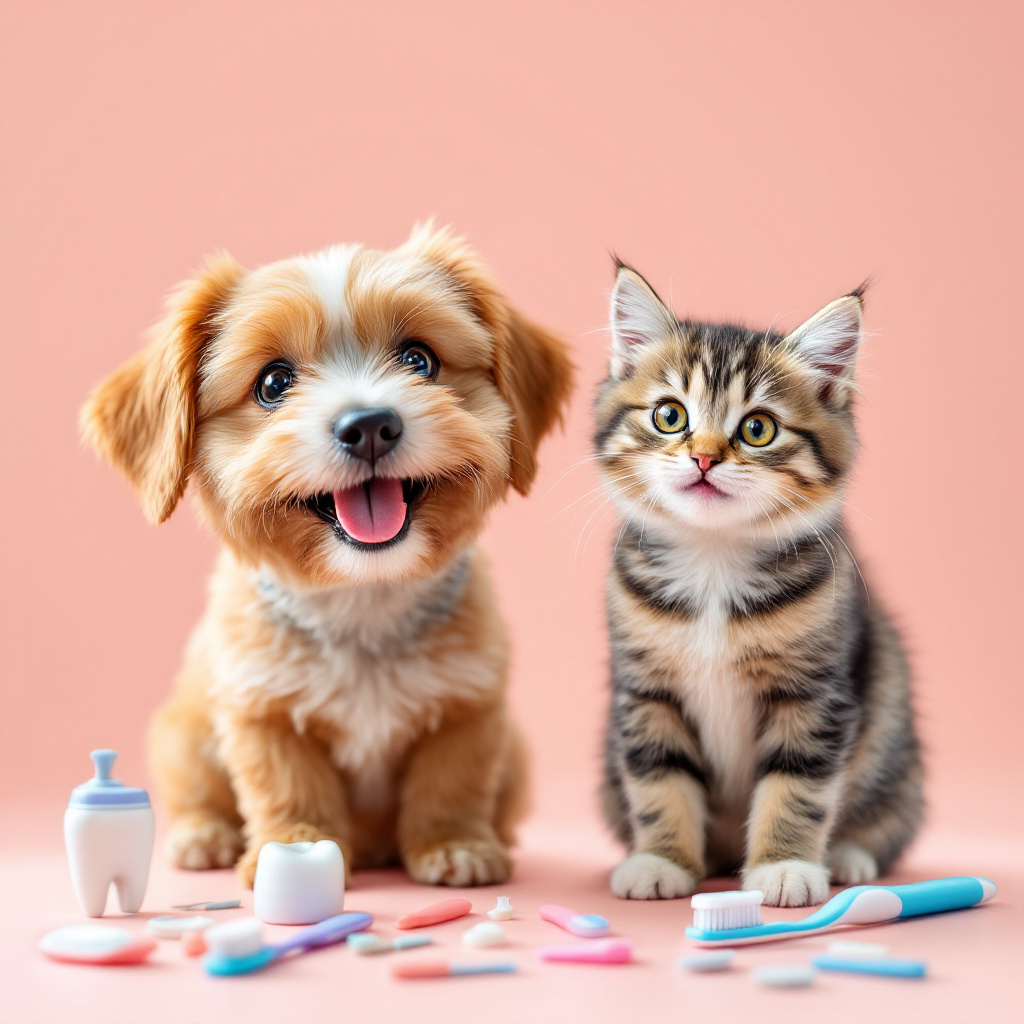
The basics of dental care: What you should know
Developing sound dental care practices starts with understanding basic concepts. Here are some essential building blocks to properly approach dental care for dogs and cats:
Brush your teeth regularly
One of the most effective ways to promote dental health is to brush your dog's teeth regularly. Yes, you read that right - your four-legged friend needs a toothbrush!
- Specially developed brushes: Use toothbrushes that are designed for pets. They are usually softer and smaller to fit better into the mouths of animals.
- Animal-friendly toothpaste: Normal human toothpaste is a no-go. Special products for animals are safe and often available in flavours such as chicken or beef - yummy!
Check-ups at the vet
Regular visits to the vet are not only important for vaccinations. Dental care should also be checked regularly.
- Professional dental cleanings: These are necessary to thoroughly remove plaque and tartar.
- Early detection of problems: Pet dentists can recognise problems early on that you may have overlooked.
Dental care chew sticks & toys
There are a variety of products on the market to help keep our pets' teeth healthy:
- Dental care chewing sticks: They encourage natural chewing and clean the teeth at the same time.
- Tooth-friendly toys: These are designed to massage the gums and clean the teeth.
Common dental diseases in pets
Even if you implement all of the above dental care basics, pets can still develop dental disease. Here are some of the most common:
Inflammation of the gums (gingivitis)
An inflammation of the gums caused by bacteria and plaque. This disease is often the precursor to the dreaded periodontitis.
Periodontitis
A progressive condition that can occur after untreated gingivitis. Periodontitis can lead to tooth loss and has potential effects on the heart and other organs.
Tartar
These are hard deposits that build up on the teeth if plaque is not removed. Tartar can lead to inflammation and aggravate gum problems.
Resorptive lesions
Particularly common in cats - it is a disease in which hard tooth substance is broken down, leading to painful cavities and ultimately tooth loss.
Practical tips for dental care for dogs and cats
Ensuring a healthy mouth for your pet is easier than it sounds. The following tips may be helpful:
- Getting used to brushing your teeth: Start at a young age to get your pet used to the procedures.
- Offer a reward: Positive training with rewards can work wonders.
- Patience is the key: Your pet won't become a dental care fan overnight. Patience and consistency will pay off.
Conclusion
Pet owners who neglect the basics of dental care are exposing their pets to considerable health risks. From regular brushing and professional cleanings to the use of appropriate dental care products, there are numerous ways to improve oral hygiene and prevent dental disease. Ultimately, it is in our hands to declare war on our pets' dental hygiene-free years!
So what are you waiting for? Time to grab the toothbrush and give your furry friends the best possible care!
FAQs on dental care for pets
What are the signs of dental problems in dogs and cats?
One of the most common signs of dental problems is bad breath. Changes in eating habits, pain when chewing, excessive salivation or bleeding gums can also be indicators. If your pet is restless or refuses to eat, something could be wrong.
How often should I brush my pet's teeth?
Ideally, you should brush your pet's teeth every day. If that's not possible, try to do it at least three to four times a week. Consistency is the key to preventing plaque and tartar build-up.
Can certain foods improve dental health?
Yes, certain foods can be beneficial. Special dry foods are designed to rub off plaque when chewed. Some chews and toys can also be helpful. However, it is best to ask your vet which safe chewing products are suitable for your pet.
Are dental care products for humans safe for pets?
No, dental care products for humans, especially toothpaste, are not safe for pets. They often contain ingredients such as fluoride or xylitol, which can be toxic to animals. Always use products that have been specially developed for pets.
At what age should I start dental care?
Dental care should be started as early as possible. Even with puppies and kittens, you can gently practise getting them used to the toothbrush. Regular dental care from a young age can help to establish a good routine and prevent dental problems.