
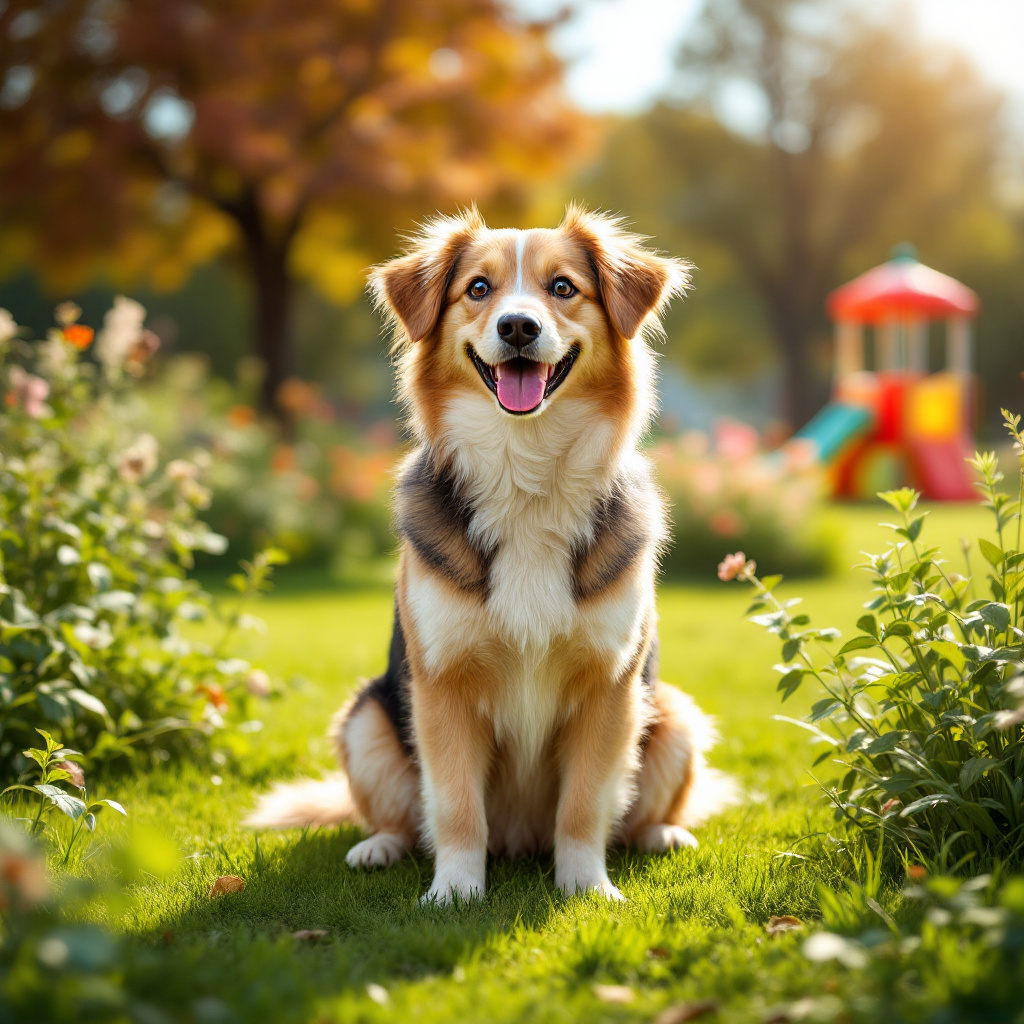
Basic commands for dogs: the key to a balanced four-legged friend
A well-trained dog is not only a joy for its owner, but also safer for its environment. Basic commands play a crucial role in this. They are the foundation on which a dog's entire obedience is built. But why are these commands so important and how can they be taught successfully? Let's delve into the fascinating world of dog commands!
Why are basic commands essential for dogs?
Imagine you are in a busy park with your dog. Suddenly your four-legged friend notices a squirrel and starts to chase after it. At this moment, basic commands such as stop or come can not only save the day, but also your dog's life. These skills are not only practical in everyday life, but also essential for the well-being of your pet.
There are various advantages to training with commands:
- Security: A dog that listens to commands can be effectively protected in dangerous situations.
- Understanding and trust: Through regular training, dogs understand better what is expected of them, which strengthens the trust between humans and animals.
- Behaviour control: Unwanted behaviour can be minimised through clear instructions.
- Socialisation: A well-trained dog is more easily accepted in society and can participate more freely in activities.
The most important basic commands for dogs
The success of your dog training begins with the following essential basic commands. These commands form the basic framework for a helpful and positive human-dog relationship.
1st seat
The sit command is probably one of the best known and easiest to start with. It helps to convey calmness and attention to the dog. You can motivate the dog to understand the command with a reward such as a treat. The calming thing about it? It can be used in many situations - whether feeding, walking or as part of a game.
2nd place
Down means that your dog should lie down. This command can be used to calm your dog down in stressful situations. Once your furry friend has mastered lying down, it will be child's play to direct him to his blanket or resting area. Paws down, it's a winner!
3. stay
Essential for controlling your dog in a variety of situations. A well-practised stay can prevent your dog from running away or roaming in unsuitable places. Start with short distances and gradually increase the distance as you practise the command.
4. come
This command can save lives! It may seem simple, but it is one of the most difficult commands to master as it requires your dog to turn away from a distraction. Practise in different environments - from quiet parks to busy streets - to make sure your dog responds reliably.
5. no
A clear no can work wonders if your dog is focussed on something dangerous or unwanted. Timing plays a major role here. Start with your hands as a small signal before you intervene verbally. Your dog will soon understand that there are boundaries that should not be crossed.
6. from
This command is used to get the dog to release something it has in its mouth. It is not only helpful for stopping dogs from chewing on their favourite shoes, but can also prevent danger - for example, if the dog ingests something poisonous.
Techniques for successful dog training
Dog training can sometimes seem like riding a razor's edge - rough, tough, but extremely effective when used correctly. Here are some techniques that can help you successfully teach basic dog commands:
Consistency
Dogs love routines. Consistent commands and rewards create clear communication. It is important that everyone in your household uses the same commands for the same actions.
Positive reinforcement
Rewards in the form of treats, cuddles or praise are key. A dog that is rewarded with pleasure and positive attention is more willing to learn and behave well.
Patience and practice
Do not give up! Every dog learns at its own pace. Regular practice consolidates what you have learnt. Avoid frustration and remain patient - even small advances are successes.
Body language
Remember that dogs are experts at reading body language. Combine verbal commands with clear, consistent hand signals.
Conclusion: Harmonious coexistence
Mastering the basic commands for dogs is more than just a compulsory exercise. It is the key to a harmonious, safe and enjoyable life together. With patience, determination and the right methods, you can turn your faithful companion into a well-behaved member of the family. Ultimately, the goal is a happy dog that explores its world safely and trusts you to show it the right way.
So, let go of the lead and set off on your dog training adventure - your dog will thank you for it!
FAQs
What are the 7 basic commands for dogs?
Sit, down, here, stay, heel and out are the essential basic commands that every dog should learn. These commands not only help to make everyday life easier, but also to protect your four-legged friend in tricky situations.
What are the most important commands for dogs?
The most important commands include those that promote the dog's behaviour and safety. Sit, down and here are basic commands that help to establish basic obedience. They are usefully supplemented by commands such as stay and out, which are particularly useful in dangerous situations.
How do you teach a dog the basic commands?
A simple basic command such as sit can already be taught to young puppies. Start by giving the signal clearly and distinctly as soon as your dog sits down. Then reward him with a small treat to motivate him to maintain the behaviour. Repetition and positive reinforcement are the key to successful training.