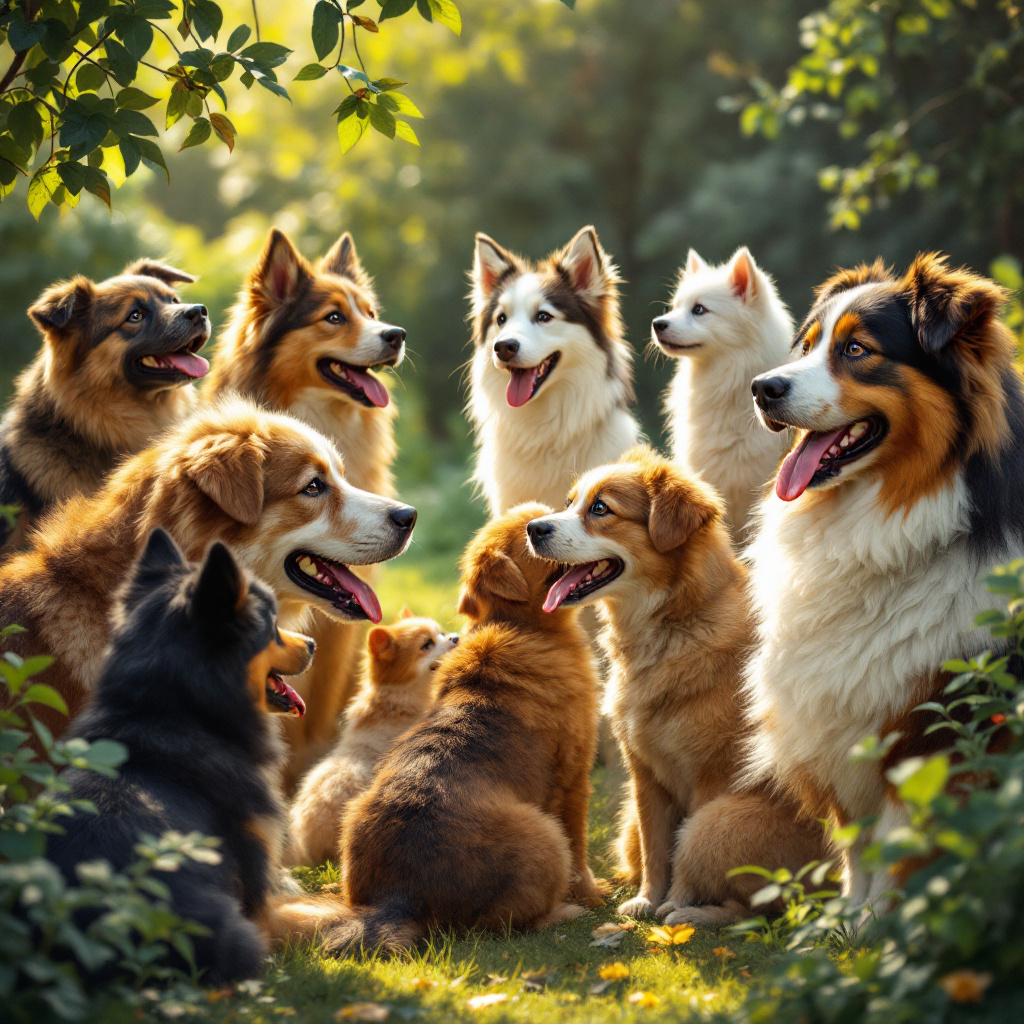

Basic training for hunting dogs: The perfect start for inexperienced owners
Congratulations! You have decided to keep a hunting dog and are ready to train it to be a reliable companion in the field and forest. But how do you get started as a newcomer to hunting dog training? Don't worry, we have summarised everything you need to know for you here. Let's explore basic training for hunting dogs together.
Why is basic training so important?
Without solid basic training, your hunting dog will be without the necessary obedience and skills in the field. Basic training for hunting dogs is the first and most important step in preparing the dog for its future tasks. The most important facts at a glance:
- Obedience: A hunting dog must react immediately on command.
- Security: Well-trained dogs are safer for themselves and their environment.
- Coordination: Dog and handler work together as a team.
The best time for basic training
It is often said: practice makes perfect. This also applies to hunting dogs! The best time to start basic training is at puppy age. Between eight and twelve weeks, the little rascals are particularly receptive and curious. They learn through play and can quickly internalise basic commands.
However, make sure that the training is playful and not too strict. An overtaxed puppy will quickly lose interest and no longer enjoy learning. So always take it easy from the hip - squeeze the training into daily playtime.
Important commands and techniques
Basic training for hunting dogs includes a variety of commands and techniques. Here are the most important ones that inexperienced owners should master:
1st seat
The „sit“ command is fundamental. It helps you to keep your dog under control and calm him down in stressful situations. Here's how it works:
- Lure your dog with a treat that you hold high above his head.
- As the dog raises its head, its rump automatically lowers.
- As soon as the dog sits, praise him and give him a treat.
- Repeat this several times a day for about 5-10 minutes.
2nd place
This command makes your dog lie down. It is often the next step after „sit“. This is how it works:
- Start in the „sit“ position. Hold a treat in front of the dog's nose.
- Slowly guide the treat down towards the floor.
- Your dog will follow the movements and eventually lie down.
- Say „down“ when the dog lies down and reward him immediately.
3. here
This recall command is absolutely essential to ensure that your hunting dog comes to you immediately in the event of danger or disobedience. This requires patience and constant training:
- Start in a distraction-free environment.
- Call your dog to you with „Here!“.
- When he comes to you, reward him immediately with praise and treats.
- Gradually increase the distractions and the distance.
4. foot
A dog that pulls on the lead is not only annoying, but also dangerous. The „heel“ command ensures that your dog walks beside you in a well-behaved manner:
- Start by placing your dog next to you in the „sit“ position.
- Say „foot“ and start walking.
- Reward the dog when it stays by your side.
- Practise regularly until the dog understands the command.
Common challenges and solutions
Of course, not every training programme is without hurdles. Here are some common problems and how you can overcome them:
Inattentive dogs
Sometimes your dog doesn't seem to listen to anything. Pay attention to the following tips:
- Use of treats: High-quality treats can work wonders.
- Short exercise units: Dogs have a short attention span, so train them in short intervals of around 5-10 minutes.
- Eye contact: Make sure that your dog has eye contact with you before you give a command.
Concentration difficulties
If your dog is easily distracted, it can help to practise in a low-stimulus environment and gradually increase the disturbance.
Stubbornness
Some dogs are stubborn by nature. Patience, consistency and positive reinforcement are the key here. Avoid getting loud or punishing the dog - this will only increase resistance.
Additional training resources
As an inexperienced owner, it is often helpful to seek additional support. Here are a few tips:
- Dog schools: Professional trainers can offer valuable tips and techniques.
- Books and videos: There are countless resources that can help you master basic training for hunting dogs.
- Online communities: Forums and social networks often offer excellent support from other dog owners.
The importance of socialisation
Don't forget the socialisation of your dog. A well-socialised dog is more reliable and docile both in family life and when hunting. Visit dog parks, let him meet other dogs and people, and get him used to different environments and noises.
To summarise, basic training for hunting dogs is the basis for a successful hunting career and a harmonious life together. It takes time, patience and a lot of love, but in the end you will have a loyal companion who is ready to go on adventures with you. So let's get started - get the bread rolls and get to work! Your dog will thank you for it.
Have fun and success training your faithful companion!
FAQs
How much does hunting dog training cost?
The total cost of the training and exams - not counting your own hours - quickly adds up to around €1,760. However, these costs can vary depending on the region, trainer and individual needs.
Can any dog be trained as a hunting dog?
Every dog is individual and cannot be trained like any other hunting dog. We therefore attach great importance to the individualised hunting training of each dog. Each dog is trained lovingly and without false pressure in order to develop its natural talents in the best possible way.
How much does a fully trained hunting dog cost?
3,086.41 are the one-off costs during the life of a four-runner. These are made up of the purchase (€ 704.46), preparation for examinations (€ 692.67), examination fees (€ 252.55), travelling expenses (€ 597.7), towing (€ 112.81) and training equipment and dog accessories (€ 640.78).
For which dogs do you need a hunting licence?
In principle, only dogs that are used for hunting require special training and their handler a hunting licence. This applies in particular to dogs that specialise in tracking, pursuing and retrieving game, such as retrievers, spaniels and pointing dogs. Such dogs must undergo the same training regardless of whether they are handled by a professional hunter or a recreational hunter.