Health problems and prevention: How to keep medium-sized dog breeds well indoors
Ahoy, dear dog owners! Who wouldn't want a healthy and happy four-legged friend at home? Medium-sized dog breeds in particular are very popular with flat dwellers. But just like us humans, our furry friends can also suffer from health problems. Don't worry, we're here to help you with a guide to health problems and prevention. Buckle up, it's going to be informative and practical!
The most common health problems in medium-sized dog breeds
Every breed has its own characteristics, and this is also reflected in health issues. Here is a brief summary:
- Joint problems: Many medium-sized breeds can be prone to joint problems such as hip dysplasia or elbow dysplasia. Ouch, that hurts!
- Heart diseases: Heart failure is also an issue, and lifestyle adjustments and medication can often help.
- Ear infections: Droopy ears are cute, but also require intensive care to prevent inflammation.
- Eye problems: Some medium-sized dogs see the world through a veil of cataracts or struggle with corneal inflammation.
- Weight gain: Oh yes, even dogs sometimes have a problem with a few extra pounds, which can lead to secondary problems.
Prevention is a matter of honour: what can you do?
Now that we have potential health problems on our radar, we should take a look at preventive measures. After all, prevention is better than cure!
1. regular visits to the vet
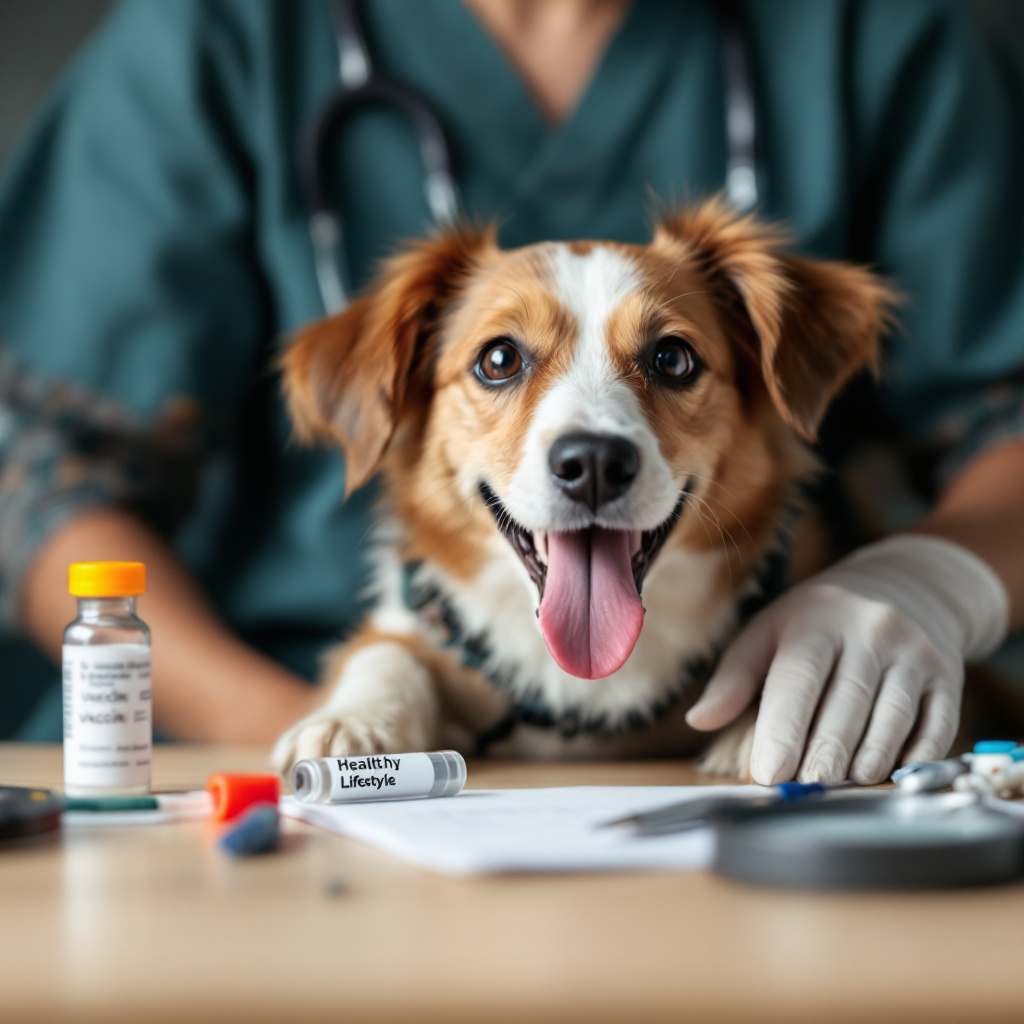
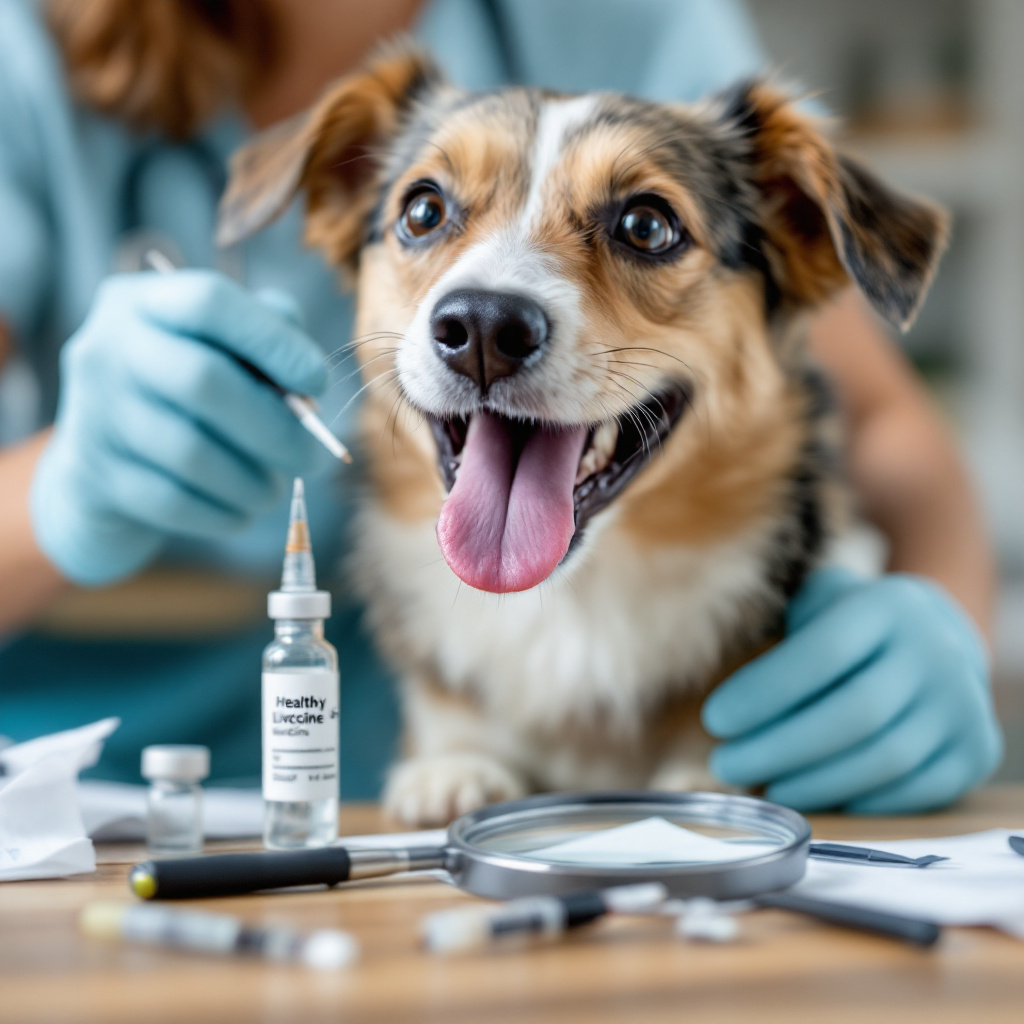
Of course, nobody is happy about a visit to the doctor, but regular check-ups are a must. Your vet can recognise developments at an early stage and take countermeasures. So it's better to have too many check-ups than too few.
2. keep vaccinations up to date
Vaccination prophylaxis is just as important for dogs as it is for us humans. The right vaccination can save lives, and that's no exaggeration!
3. nutrition and exercise in harmony
A bit of exercise here and a treat there - finding the perfect balance is the key to success. Keeping your dog fit will ultimately save you a lot of grief and money at the vet.
4. regular coat care and checks
From cuddly terriers to nimble cocker spaniels: every dog needs regular grooming to prevent skin diseases and parasites. Yes, that's right! Dirty dogs scratch for a reason.
5. watch out for symptoms
Keep your eyes open! Pay attention to changes in your dog's behaviour or physical condition. The smallest abnormalities such as limping, eye pinching or noticeable thirst can indicate health problems.
What you should pay particular attention to as a flat owner
Living in a flat offers comfort and warmth, but also comes with its own challenges. So what's on the programme?
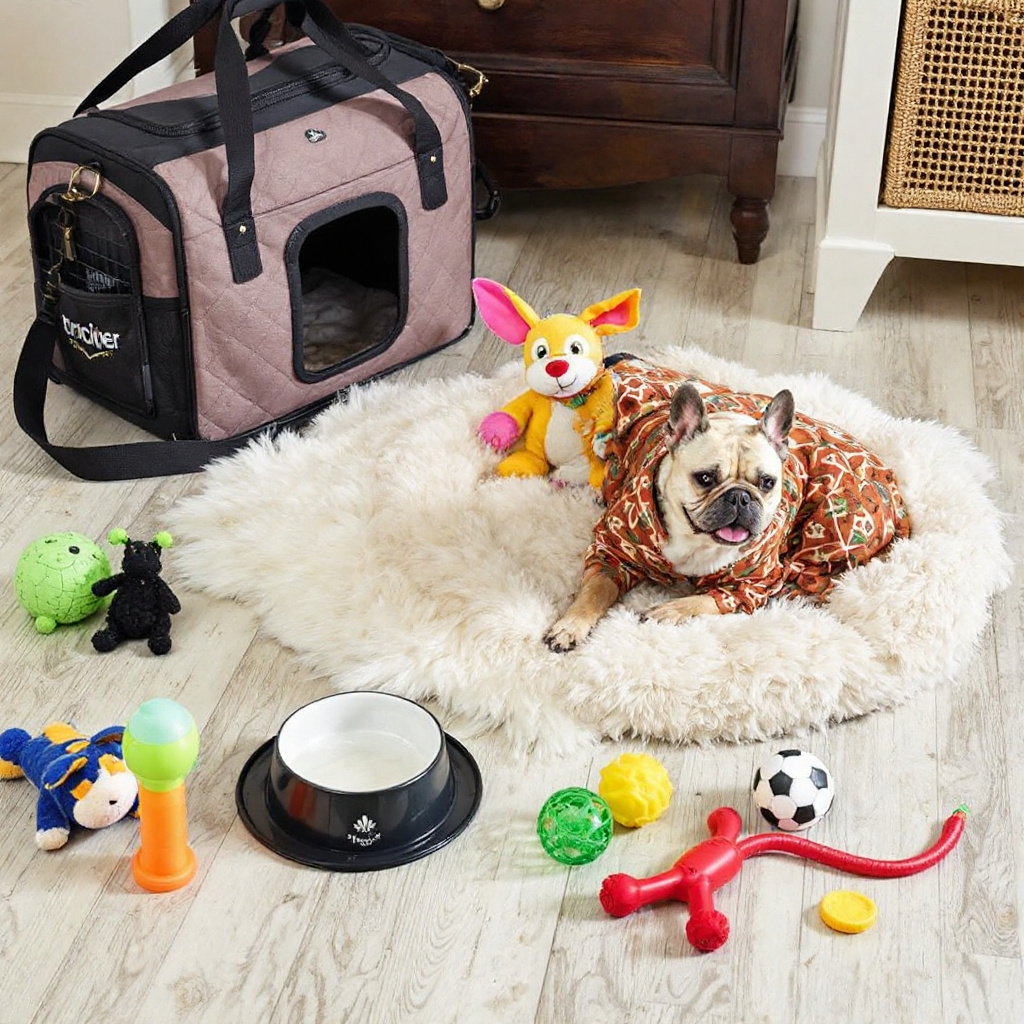
Indoor dogs need their daily walk, fresh air and mental challenges. Honestly, nobody wants a bored dog at home who turns the furniture into a scratching post! Stimulated by the right toys or small training sessions, the charm of an apartment dweller can blossom.
A few tips on keeping them indoors:
- Education and play: Exercise regularly to avoid boredom.
- Safety measures: Tilting windows, poisonous plants and sockets: all potential dangers that you need to protect your dog from.
- Clean environment: Regular cleaning of the dog's bed and food bowls is a must.
Mental Fit: Keeping your dog's head healthy
Not to forget: Mental health counts just as much as physical health. Activity and intelligence games work wonders here. Let your dog sniff, search and (of course) find. Their inner satisfaction will thank you for it!
Final thoughts: A healthy dog's life starts with you
Not all health problems can be avoided, but a lot can be done with a little care, the right information and regular maintenance. Last but not least: love! The bond between you and your dog is irreplaceable. Stick together, be attentive and your dog's life will run smoothly.
So, get on the lines! You're now well equipped to deal with health problems and preventive care. Have fun with your lively and healthy companion by your side!
Frequently asked questions (FAQs)
Q: What common health problems occur in medium-sized dog breeds?
A: Common health problems in medium sized dog breeds are joint problems such as hip and elbow dysplasia, heart disease, ear infections, eye problems such as cataracts and weight problems. All of these need attention and care to ensure a happy and healthy life in the home.
Q: How can I promote my dog's health through prevention?
A: Regular visits to the vet, up-to-date vaccinations, a balanced diet and sufficient exercise are the key to preventive health care for medium-sized dogs. Equally important are regular grooming and keeping a watchful eye out for any symptoms that could indicate health problems.
Q: What should I bear in mind when keeping medium-sized dogs indoors?
A: If the dog is kept indoors, it is important that it gets enough exercise and mental stimulation. Safety precautions in the house, such as the secure closing of tilting windows and the removal of poisonous plants, as well as a clean environment also contribute to good health. This allows the dog to realise its full potential and lead an all-round happy life.
Q: How do I recognise health problems in my dog at an early stage?
A: Look out for behavioural changes such as increased tiredness, changes in drinking and eating habits, difficulty walking or signs of pain. The sooner you discover irregularities, the sooner the vet can intervene and help your dog.