
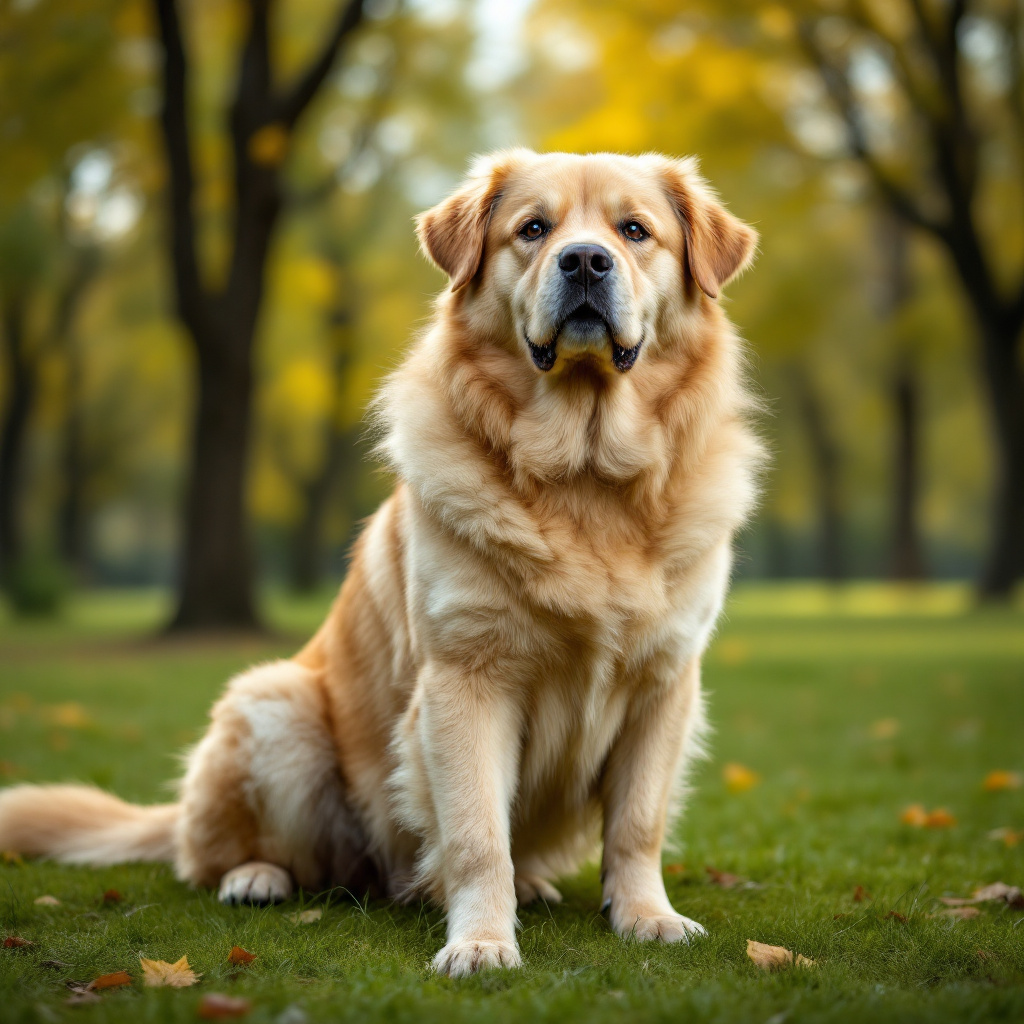
Health problems in large dog breeds: What to look out for
Large dog breeds fascinate many dog lovers with their impressive appearance and majestic nature. But with size comes specific health issues that potential and current dog owners should be aware of. In this article, we take a look at the most common health risks large dogs face and offer helpful prevention tips.
Dogs are big, but health problems are often bigger
Large dogs need a lot of space, both in the heart and in the house. But apart from the obvious logistical challenges, there are a number of health issues that should not go unnoticed. Due to their physical characteristics, they are more susceptible to certain diseases and problems.
1. hip dysplasia: more than just a stumble
One of the most common health problems in large dog breeds is hip dysplasia. This disorder mainly affects the hip joints, causing the thigh bone not to fit properly into the pelvic shell. Symptoms can range from a slight limp to pain and restricted movement.
- The earlier it is recognised, the better: regular check-ups at the vet are crucial.
- Weight control: Excess weight aggravates the strain on the joints.
- Movement is the be-all and end-all: customised exercises can help to strengthen the muscles around the joints.
2. heart disease: The only thing that doesn't go to size is the heart
Heart disease is not only a problem in older dogs, but can also affect young, large breeds. The upper respiratory tract and heart valves are particularly susceptible to diseases that are often difficult to diagnose.
Here are a few tips to keep your dog's heart in good shape:
- Regular check-ups: Heart problems are often invisible, so early detection is crucial.
- Healthy diet: A balanced diet contributes to general heart health.
- Active exercise: An active lifestyle helps to keep the heart strong.
3. joint problems: a common construction site
Large dog breeds are notorious for their joint problems. These include not only hip dysplasia, but also elbow dysplasia and arthritis. These problems can become more serious with age.
For prevention and care:
- Maintain a healthy weight: being overweight is an enemy of joint health.
- Supportive dietary supplements: Glucosamine and chondroitin are common supplements that can help.
- Make sure your dog sleeps on soft surfaces to minimise pressure on the joints.
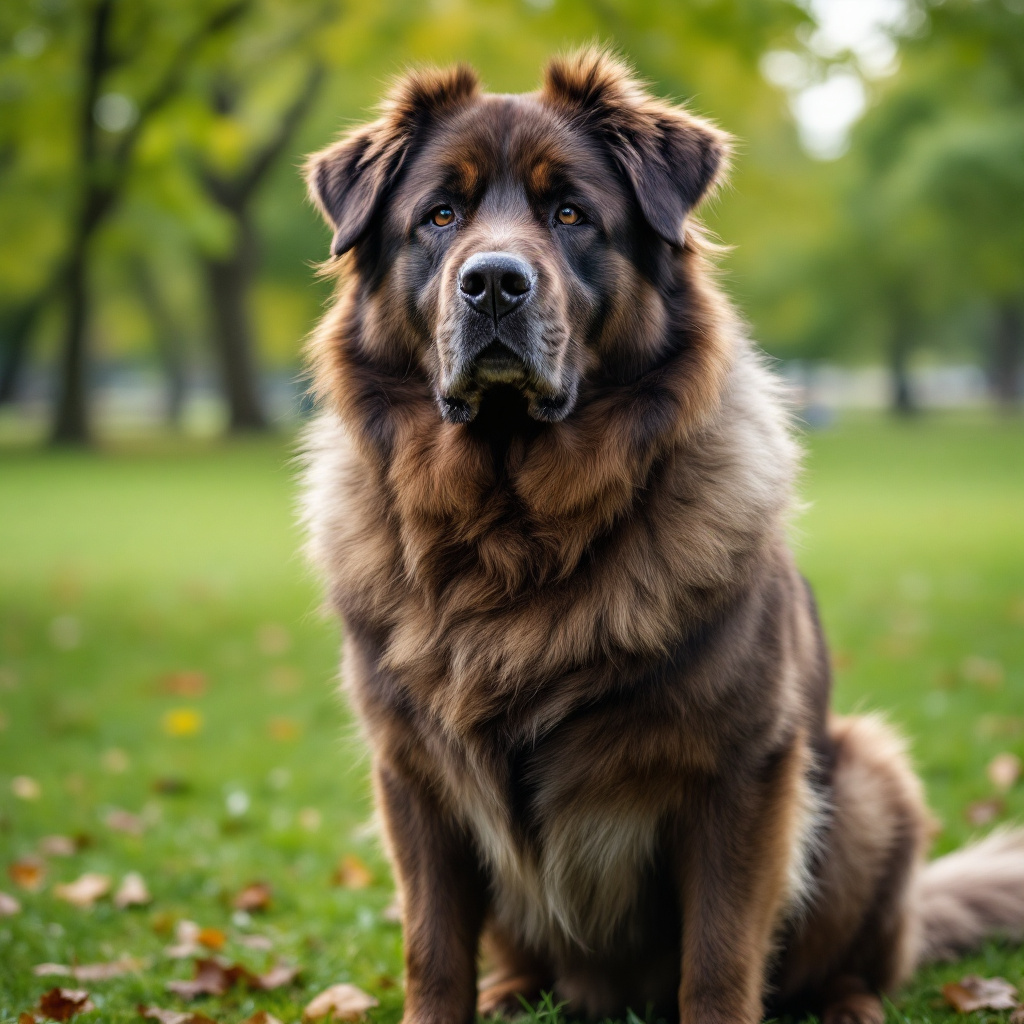
Prevention is better than cure: How to protect your big dog
Preventive measures are the be-all and end-all when it comes to keeping your large dog healthy. But what exactly can you do? Here are some valuable tips:
Healthy nutrition: the key to a long life
One of the most important factors for a long and healthy dog's life is its diet. Make sure that the food ration is balanced and tailored to the needs of large breeds. Protein is important, but vitamins and minerals should not be neglected either.
Regular exercise: Don't let your dog become a couch potato
Exercise not only keeps weight in check, but also strengthens the cardiovascular system and muscles. A balanced level of physical activity is crucial. Too much exercise can put strain on the joints, but too little often leads to obesity and its associated problems.
Visits to the vet: prevention is better than cure
Regular visits to the vet should not only be made when there are signs of a problem. Preventative medicine can help you recognise health problems before they become more serious. Routine check-ups can often mitigate or prevent many of the above problems through early diagnosis.
Conclusion: Healthy large dogs are not witchcraft
Health issues in large breed dogs can be challenging, but with the right care and knowledge, they are manageable. As a responsible dog owner, it is in your hands to ensure that your four-legged family member not only looks impressive, but also lives a healthy and happy life through a balanced diet, appropriate exercise and regular check-ups with the vet.
May your large dog - from the stately Great Dane to the lovely St Bernard - lead a long, healthy life by your side!
FAQs on health problems in large dog breeds
Do larger dogs have more health problems?
Yes, in general, large breed dogs are more prone to certain health problems. Their size and weight can put extra pressure on joints and organs, which often makes large breed dogs more susceptible to conditions such as hip dysplasia and heart problems.
Which dog breeds are susceptible to diseases?
Whether small or large, every dog breed has its own health vulnerabilities. In large dog breeds, Great Danes, St Bernards and Newfoundlands are often prone to joint problems and heart disease. It is important to find out about the specific risks of each breed before adopting a dog.
Which dogs get sick the least often?
Some dog breeds are known for their robustness and low susceptibility to disease. Breeds that are often considered particularly healthy include the Afghan Hound, Chesapeake Bay Retriever and the Berger Blanc Suisse. However, even with these dogs, regular health checks and good grooming are essential to ensure long-term health.
How can I best protect the health of my large dog?
The basis for a large dog's health lies in a balanced diet, regular and appropriate exercise and routine visits to the vet. Screenings can detect early signs of illness and help to take preventative measures. With consistent care and attention, many of the health problems can be mitigated or avoided.