
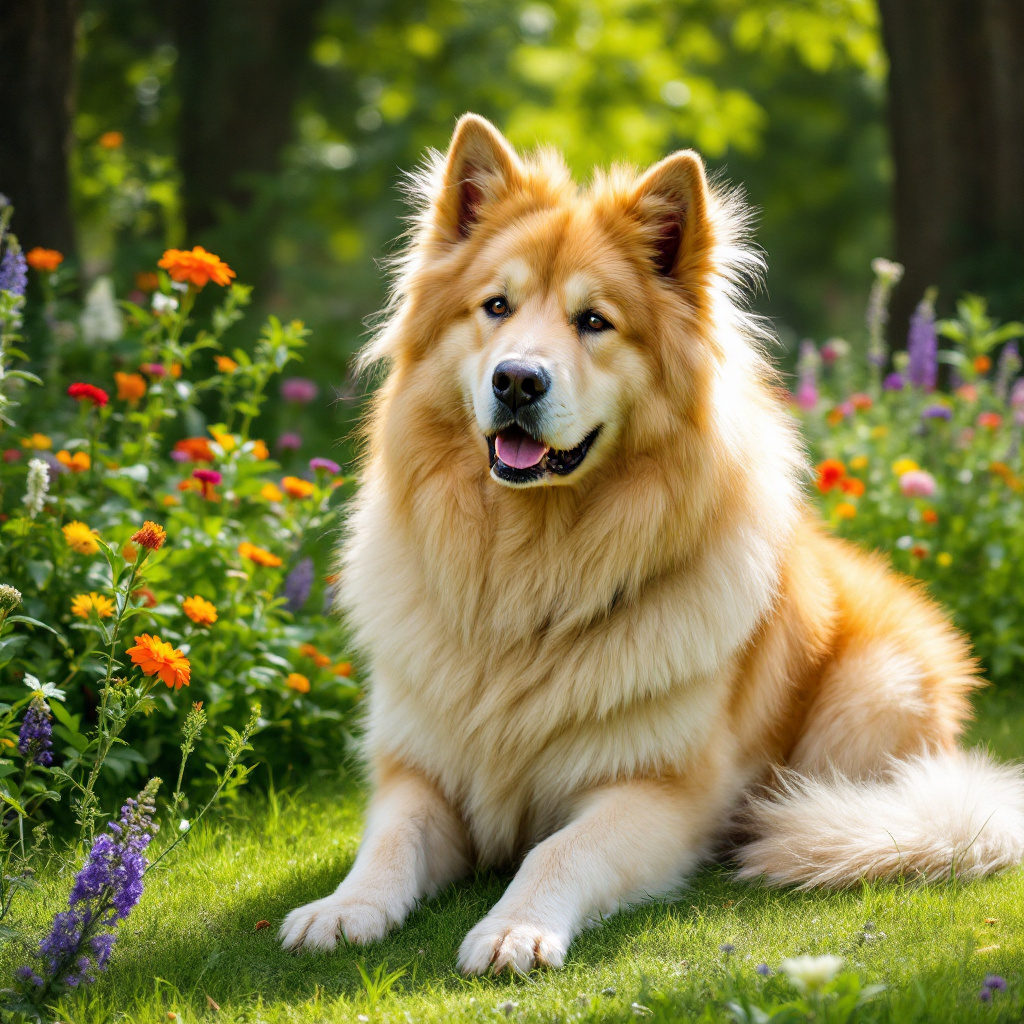
The health of large dog breeds: tips for a long and happy life
Large dog breeds can look impressive and majestic, but their health needs should not be underestimated. Whilst their size gives them strength and stamina, it also brings with it specific health issues. If you are the proud owner of a large dog or are thinking of adopting one, you should take a close look at the health requirements of these gentle giants.
Challenges and health issues faced by large dog breeds
One of the most frequently mentioned points regarding the Health of large dog breeds are joint problems. Large dogs carry a considerable amount of weight, which puts a great strain on their joints. The hips and elbows are often particularly affected, but the knee joints can also be affected.
- Dysplasia: Hip and elbow dysplasia are common in large breeds. This hereditary joint deformity can lead to pain and osteoarthritis at an early age.
- Osteochondrosis: A developmental disorder of the cartilage that leads to stiff joints and possible lameness.
- Arthritis: This is often the result of inadequately treated joint problems and is not uncommon in older people.
But that is by no means all. Cardiovascular problems are also worth noting, as they are relatively common, particularly in larger breeds of dog. Dilated cardiomyopathy (DCM) is a serious condition in which the heart becomes enlarged and its pumping capacity is reduced. The heart can no longer perform its function effectively, which can ultimately lead to heart failure.
Preventive measures for a healthy dog life
We know that large dogs come with their own set of challenges, but how can we best support their health? Prevention is better than cure, isn’t it? Here are some proactive steps you can take:
- Regular visits to the vet: Whether your dog is young or enjoying its twilight years, regular visits to the vet help to detect many common ailments at an early stage.
- A balanced diet: A healthy diet tailored to your dog’s needs can go a long way towards preventing obesity and its associated health issues.
- Species-appropriate exercise: Large dogs need exercise, but they also need rest. Make sure you strike the right balance to protect their joints.
- Joint protection supplements: Dietary supplements such as glucosamine and chondroitin can also be beneficial for the joints.
- Preventive heart check-ups: Especially if there is a history of heart disease in your dog’s family, you should have their heart checked regularly.
Caring for and managing large dogs in everyday life
Beyond the medical aspects, a holistic approach is needed to ensure the best possible health for large dog breeds. After all, what use is the best prevention if the little things in everyday life are overlooked?
Improving the local environment
For the sake of your dog’s health and comfort, your home should be adapted accordingly:
- Non-slip floors: Laminate and parquet flooring look lovely, but can be dangerously slippery for heavy dog paws.
- Cosy places to sleep: Well-padded beds support the joints and contribute to a sense of well-being.
Care and hygiene
Large dogs aren’t just physically large; they also require a lot of care.
A large dog’s coat requires regular grooming. Depending on the breed, this may mean that daily brushing is necessary. A well-groomed coat not only prevents matting, but also Skin problems.
Socialisation and training
It’s also important not to overlook your dog’s mental health. Large dogs benefit immensely from structured training and social interaction. Regular, positive training not only strengthens the bond with your dog, but also keeps their mind sharp.
The path to a healthy and happy life for your dog
To summarise, it can be said that the Health of large dog breeds requires careful monitoring and a proactive approach. With the right care, appropriate exercise and by building a strong bond, you can help ensure that your big four-legged friend enjoys a long and healthy life.
Finally, here’s a tip: keep a critical eye on your online research. Rely on trustworthy sources and always consult a vet if you’re unsure. Your faithful companion will thank you for it!
Frequently asked questions (FAQs)
Which large dog breed is the healthiest?
In the category of large dog breeds, the Alaskan Malamute stands out. This breed is considered to be very hardy and unspoilt, which means it is less prone to many common dog diseases.
Which large dog breeds have the fewest health problems?
There are several large breeds that are generally considered to be healthier. These include the St. Bernard and the Leonberger. Both breeds are known for their hardy constitution and loyal nature, provided they are properly cared for.
How can joint problems in large dog breeds be prevented?
A balanced diet containing essential nutrients is crucial for preventing joint problems. In addition, dogs should not be over-exercised and should be given regular, gentle exercise that is easy on the joints. Supplements such as glucosamine can also be helpful.
Are large dogs harder to look after than smaller ones?
Large dogs can seem more demanding to look after, as they need more space and often more food. They should be trained consistently and lovingly to encourage their strengths and make living together easier.