
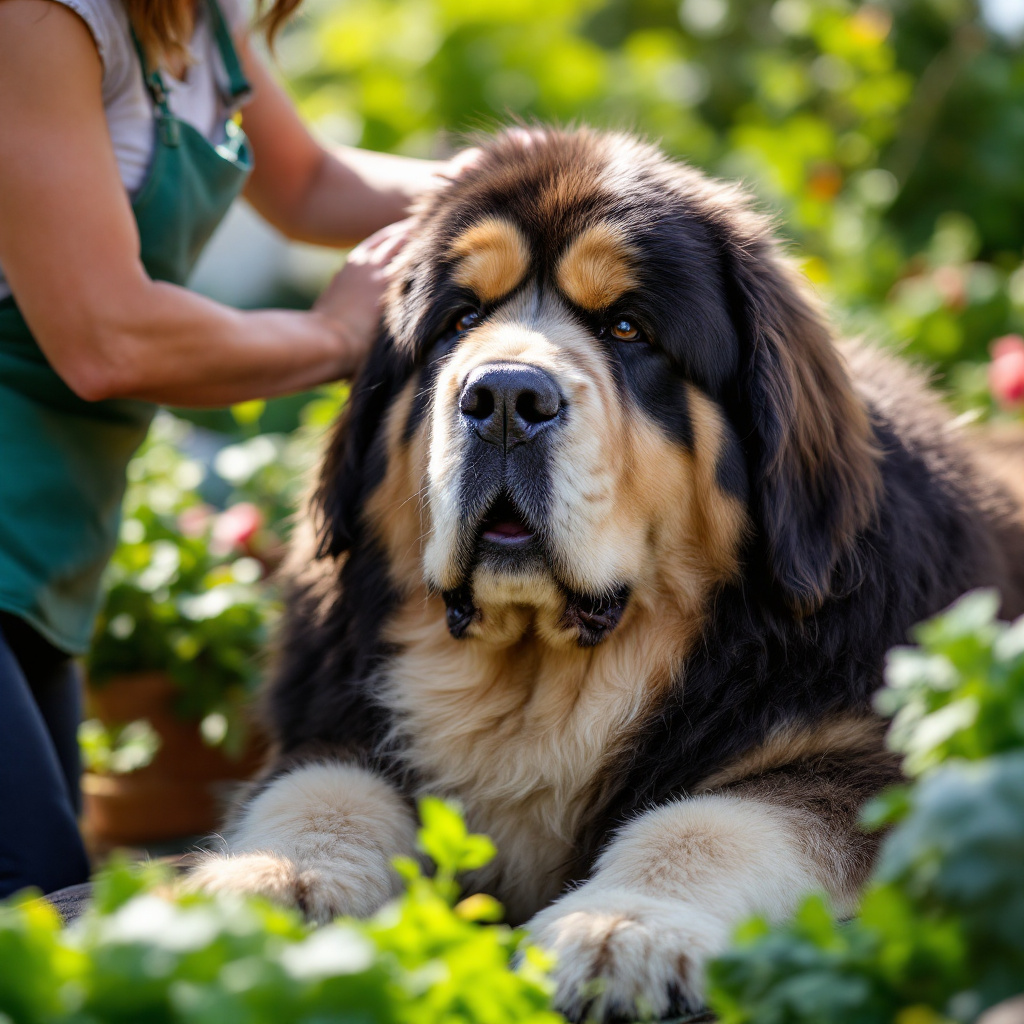
Health and care for large dog breeds: Training tips and more
Anyone who has opted for a large breed of dog knows that with size comes responsibility. These majestic four-legged friends need special attention when it comes to health and care - not only to stay vital, but also to lead a fulfilling dog life. In this post, we take a deeper look at the essential factors you should consider when dealing with your big, furry friend. Welcome to the world of health and care for large breed dogs!
Why large dog breeds need specific care
Large dog breeds such as Great Danes, Mastiffs and St Bernards are known for their impressive appearance and gentle nature. However, this physical presence also means that they require unique care. Anyone who knows these gentle giants will have noticed that they not only need more food, but can also have different health problems to their smaller cousins.
Large dogs age faster than small dogs, which means that they are more susceptible to age-related diseases. They are also often more prone to joint problems, heart disease and certain genetic conditions. Sounds serious? Don't worry, with the right measures many of these problems can be skilfully managed!
Good nutrition as the basis of health
The first step in caring for a large dog starts with the right diet. Large dog breeds need a balanced diet that fulfils their specific energy and nutritional requirements. Here are some tips on how to feed your furry friend the best possible diet:
- Quality comes before quantity: Choose high-quality food with a high meat content. The main ingredient should always be meat and you should avoid cheap fillers such as maize or soya.
- Prevent deficiency symptoms: Make sure your diet contains enough vitamins and minerals. Calcium and phosphorus in particular are important for bone health.
- Follow the feeding schedule: Large dogs are prone to stomach upsets, especially if they eat too much at once. Divide the meals into smaller portions and spread them throughout the day.
Exercise and training: an affair of the heart
Ah, exercise! An essential ingredient for a dog's long and healthy life. Large dogs need regular exercise to stay fit and not get bored. If your four-legged friend has enough action, he is less likely to pick at furniture or shoes.
Here are some training tips to keep the fun factor high:
- Varied walks: Long walks are a must. But why not change the route from time to time or incorporate a forest adventure? Variety is the salt in the soup of exercise!
- Joint-friendly training: As large dogs can be prone to joint problems, swimming and controlled running are ideal.
- Brain training: Intelligence games not only enrich the mind, but also promote the bond between you and your dog.
Regular health checks: prevention is half the battle
Regular visits to the vet are a must. Diseases are often discovered at an early stage when they are still easily treatable. Vaccinations, dental check-ups and weight checks should be on your radar.
Also think about regular worming and flea prophylaxis. Large dogs often spend a lot of time outdoors, so prevention is a blessing here.
Coat care: For the grand entrance
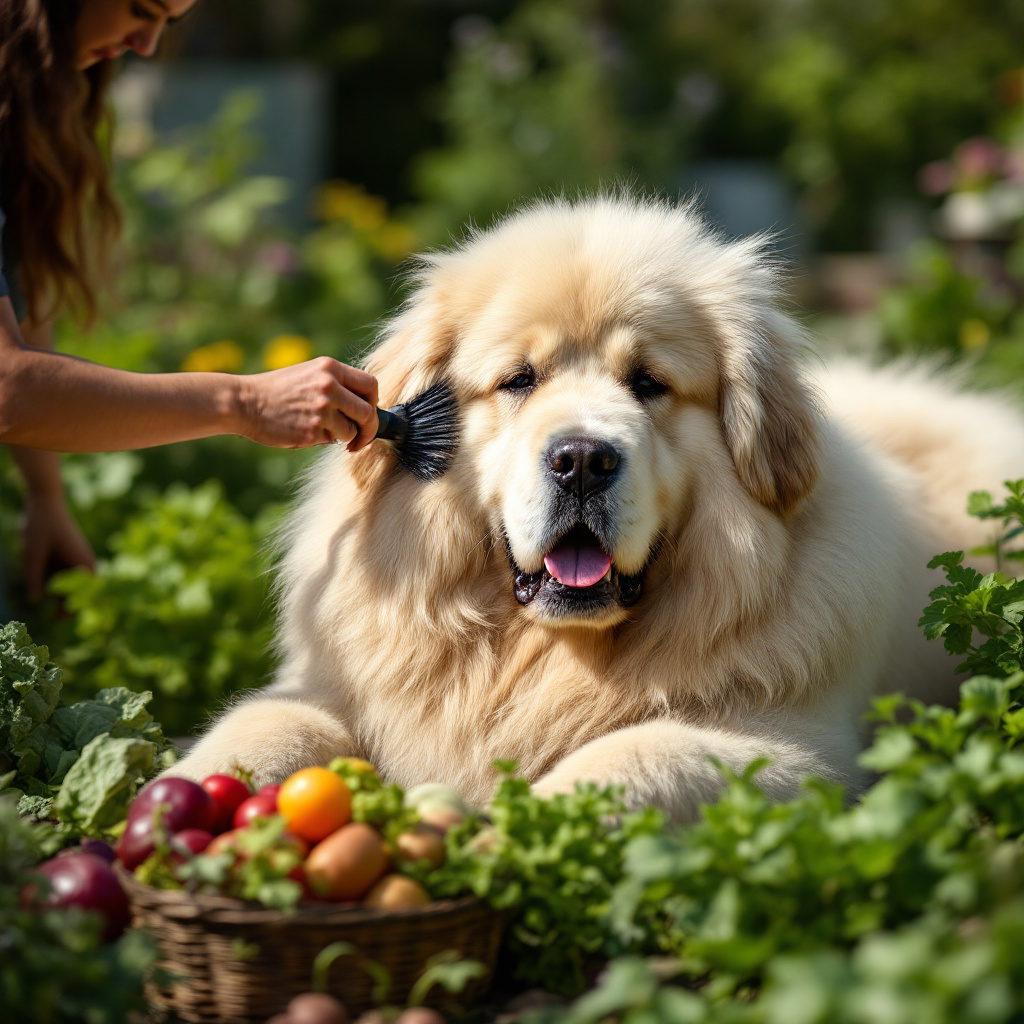
Now it's time to get brushing! Proper coat care is more than just a beauty treatment - it is an important building block for good health. Because as the saying goes: „Show me your coat and I'll tell you how you're doing!“
Coat care tips:
- Brush regularly: Brush your dog at least once a week to remove tangles and dead hair. This promotes blood circulation and keeps the coat healthy.
- Paw check: Check the paws regularly for cracks or foreign bodies. A paw balm can work wonders!
- Bathrooms as required: Even if large dogs often enjoy muddy puddles, bathing them too often can damage their skin. Use mild, dog-friendly shampoos.
Common health problems of large dog breeds
Finally, we take a look at some typical health problems that can affect large breeds and how to prevent or treat them:
- Hip dysplasia: A common problem in large dogs that is influenced by genetic factors, rapid growth or weight. Balanced training and the right diet can prevent this.
- Heart disease: As with big bones, so with big hearts: cardiac check-ups at the vet help to recognise problems before they become serious.
- Flatulence and stomach torsion: Avoid your dog engaging in intense activity before or after eating. Small meals and avoiding a food bowl at body height can help.
With these tips and tricks under your belt, you'll be well equipped to manage the health and care of your large dog breeds with confidence. Remember: every dog is an individual, and what works for one may be different for another. Observe your furry friend carefully, listen to your gut feeling and work hand in hand with your vet. Here's to many years together with your four-legged giant!
FAQs on the health and care of large dog breeds
What does health and care mean for large dog breeds?
Health and care for large dog breeds involves the targeted maintenance of the physical and mental health of these special four-legged friends. It includes a balanced diet, regular veterinary check-ups, sufficient exercise and the right coat care to ensure the well-being and longevity of the animals.
What typical health problems occur in large dog breeds?
Typical health problems of large dog breeds include hip dysplasia, heart disease and gastric torsion. These problems often result from genotypic aspects and physical stress caused by body size. A balanced diet and regular health checks can help to minimise these risks.
How often should my large dog go to the vet?
For large dogs, at least annual check-ups at the vet are recommended. These regular visits make it possible to recognise health problems at an early stage. For older dogs or those with known health problems, a six-monthly visit may be advisable.
What care measures are necessary for the coats of large dogs?
The coats of large dogs should be brushed at least once a week to prevent matting and support skin health. Regular paw and claw checks should also be carried out to prevent inflammation or injury. Baths should only be carried out as required and with mild, dog-friendly shampoos.
What should I consider when feeding my large breed dog?
Large dog breeds need a diet with a high protein and fat content as well as sufficient vitamins and minerals such as calcium and phosphorus to ensure bone health. Food with a high meat content and without cheap fillers is ideal. Meals should be divided into several smaller portions in order to Digestive problems to avoid.