
History and cultural significance of hunting dogs & care of small hunting dogs
A journey through time: the historical role of hunting dogs
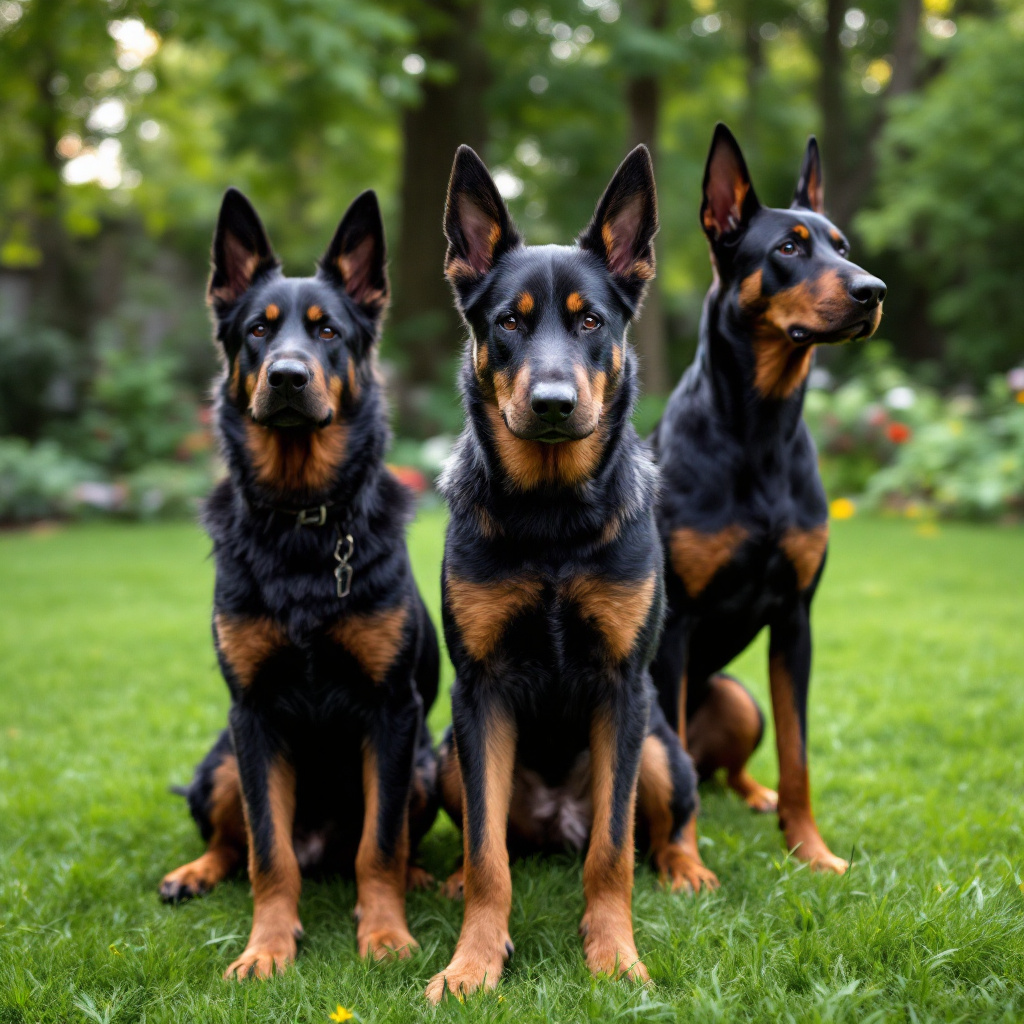
When we think of hunting dogs, we often imagine medium-sized to large dogs roaming the woods and helping their human companions with the hunt. However, the smaller breeds of hunting dogs also have a long and fascinating history. Their importance goes far beyond hunting and they have found their place in the culture and history of many societies.
Hunting dogs already accompanied our ancestors in the Stone Age. Paintings in the caves of Lascaux and Altamira, which are around 17,000 years old, show dogs helping with the hunt. These are the early ancestors of today's dogs. Hunting dog breeds. Especially small hunting dogs were often bred for specific tasks, such as hunting smaller animals or as companion dogs for noblemen.

From antiquity to the Renaissance: the cultural significance of small hunting dogs
In ancient times, small hunting dogs were held in high esteem. In ancient Egypt, they were even considered sacred. Dogs were valued by the pharaohs and were often depicted in murals and sculptures. The Romans, on the other hand, used small hunting dogs not only for hunting, but also as guard dogs and companions. This multifunctional use shows the versatility of small hunting dogs.
During the Renaissance, the importance of these small four-legged friends continued to grow. Nobles and kings from all over Europe kept hunting dogs and bred special small breeds to fulfil their needs. The famous English King Charles II was a passionate dog lover and bred the still famous King Charles Spaniel. These dogs are a prime example of how small hunting dogs served as both hunting companions and social dogs.
Small hunting dog breeds and their impressive stories
There are numerous small hunting dog breeds that can look back on an impressive history. Here are some particularly interesting examples:
- Dachshund: Originally bred to hunt badgers, the dachshund (or dachshund) developed into a versatile hunting dog. These brave little dogs entered the badgers' burrows to hunt them. Today, dachshunds are not only popular pets, but also well-known hunting dogs.
- Jack Russell Terrier: These energetic dogs were originally bred in England in the 19th century. They are known for their tenacity and speed and were mainly used for fox hunting. Their courage and stamina make them excellent hunting companions.
- Kooikerhondje: This Dutch breed has a remarkable history. They were used for duck hunting and played an essential role in traditional Dutch hunting practice. Their striking red colour and white markings make them easily recognisable.
Caring for small hunting dogs: A comprehensive guide
Caring for small hunting dogs requires special attention, as they are often very active and have specific needs. Here are some tips and advice on how to optimally care for your small hunting dog:
Feeding and nutrition
A balanced diet is particularly important for small hunting dogs as they have a high energy requirement. Make sure that the food contains all the necessary nutrients. A high-quality dog food that is rich in protein and low in fat is ideal. Avoid food with too much grain or artificial additives, as these can often lead to digestive problems.
Physical and mental stimulation
As small hunting dogs are active and curious by nature, they need a lot of physical and mental stimulation. Regular walks, games and training exercises are essential to avoid boredom and destructive behaviour. Here are some activities that are particularly suitable for small hunting dogs:
- Treasure hunt: Hide treats or toys in the garden and let your hunting dog search for them. This simulates hunting and keeps him mentally and physically fit.
- Search for clues: Lay a scent trail with a toy or cloth and let your dog follow it. This encourages his natural hunting instincts.
- Agility training: Small hunting dogs are often very agile and love to run through obstacle courses. Agility training is a great way to release their energy and develop their agility at the same time.
Care of the coat and skin
Depending on the breed, small hunting dogs can have different coat structures that require specific care. Here are some general tips:
- Regular brushing: To prevent matting and keep the coat healthy, your small hunting dog should be brushed regularly. This also helps to remove loose hair and prevent skin irritation.
- Eye and ear care: Small hunting dogs tend to collect dirt and debris in their eyes and ears. Clean the eyes and ears regularly with a damp cloth or special cleaning wipes.
- Claw care: Longer claws can lead to pain and movement problems. Trim your dog's nails regularly or have this done by a vet or groomer.
Preventive health care
Regular visits to the vet are essential to ensure that your small hunting dog stays healthy. Vaccinations, worming and health checks should be carried out regularly. Look out for signs of health problems, such as
- Behavioural changes
- Loss of appetite
- Increased scratching or licking of certain parts of the body
- Unusual odour of the coat or skin
If you notice such signs, consult a vet immediately.
Conclusion: A deeply rooted history and a rewarding responsibility
The history and cultural significance of small hunting dogs is rich and varied. Not only have these remarkable dogs played numerous historical roles, but they are still loyal companions and helpful partners in many areas today. Their care requires special attention and commitment, but the reward is a deep bond and a long, happy life for your four-legged friend.
Whether as a tireless hunting companion or as a loving family dog - small hunting dogs have conquered a firm place in our hearts and our homes. Their story is one of courage, loyalty and unwavering partnership. When you decide to adopt or foster a small hunting dog, you are part of this ongoing and fascinating story.
FAQs
Why do we need hunting dogs?
Without well-trained hunting dogs, proper hunting is unthinkable. In the past, the various breeds of dog were primarily used to track down game and alert the hunter or get it moving. Nowadays, hunting dogs still play an important role in hunting by helping to find and track wild animals.
What is the task of hunting dogs?
The tasks of the so-called hunting dogs are primarily to track, pursue, kill and retrieve wild animals such as deer, wild boar, foxes or birds. Each breed can have specific tasks, depending on their particular abilities and historical uses.
What characteristics does a hunting dog have?
Hunting dogs are characterised by certain characteristics that make them particularly suitable for their tasks. Typical characteristics are
- Determination
- Independence
- Relatively calm nature in everyday life
- Excellent tracking skills
- High urge to move, especially with sniffer dogs
- Need for plenty of exercise, especially with greyhounds
These characteristics make them not only efficient hunting helpers, but also fascinating pets.
What characterises a hunting dog?
Hunting dogs are loyal and reliable companions that play an important role alongside hunters. In order to properly utilise a hunting dog and take its natural abilities into account, it should be entrusted with its own tasks, which it can fulfil conscientiously and reliably. This is not only important for the dog's well-being, but also for a successful hunt.
How do I properly care for a small hunting dog?
The care of small hunting dogs requires special attention to their needs. This includes a balanced diet, regular physical and mental stimulation and special care of the coat and claws. Regular visits to the vet are also essential to ensure the dog's health and to recognise potential problems at an early stage.