
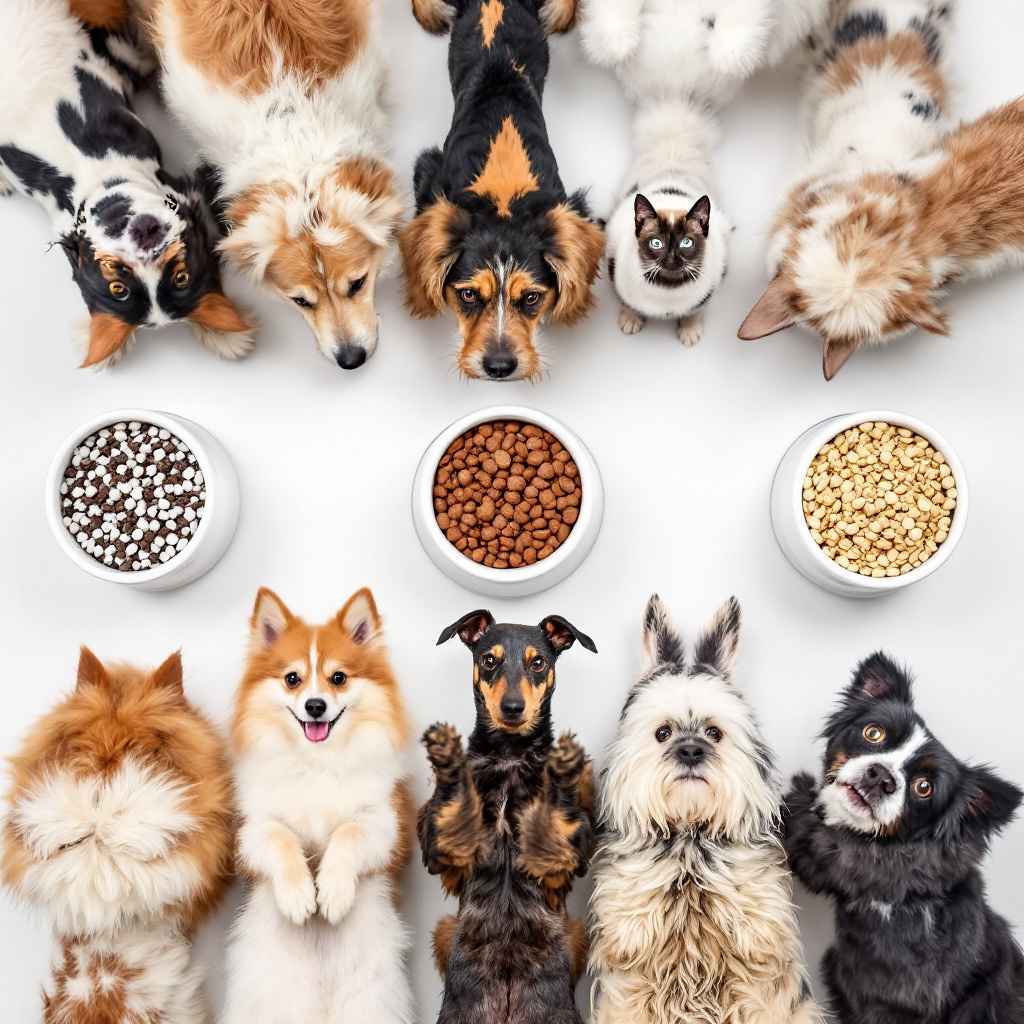
Feeding pets: What you really need to know
Feeding pets is a fundamental aspect of pet care and deserves more attention than many of us initially realise. From correct portioning to individualised feeding plans for different breeds and age groups, there are some subtleties to consider. Let's delve into the world of pet nutrition and find out what really makes sense!
The basics of feeding pets
Let's start with a little homage to macronutrients. After all, what would a meal be without the beloved proteins, fats and carbohydrates? Pets, just like us, need a balanced amount of these nutrients to function optimally. But how much is enough?
- Proteins: They are the building blocks of the body and are essential for growth, repair and general health. They are particularly important for puppies and young animals.
- Fats: Not all fats are bad! They provide energy and support the absorption of fat-soluble vitamins. A particularly important point for active furry friends.
- Carbohydrates: While cats tend to need fewer carbohydrates as they are obligate carnivores, dogs do well with a moderate amount of carbohydrates.
How often should we feed our pets?
This brings us to a frequently discussed question: the frequency of feeding. Should it be three meals a day or is one enough? Well, that depends entirely on the species, age and individual needs of your pet.
Dogs
Feeding dogs should be well thought out. Smaller breeds and puppies often prefer smaller meals several times a day, while larger, adult dogs can do well with once or twice a day.
- Puppies: 3-4 meals a day
- Adult dogs: 1-2 meals daily
- Seniors: 1-3 meals a day depending on activity level
Cats
Cats are a different story. These furry food experts eat several small meals in the wild and hunt throughout the day. This is why many vets recommend feeding adult cats twice a day.
- Kittens: 3-4 smaller meals daily
- Adult cats: 2 meals a day
- Seniors: Adaptation according to need, often small meals distributed more frequently
Specialised feeding plans
Some pets require a special approach to their diet. This could be for health reasons, breed specifics or even individual character. Here are some tips for specific feeding plans:
Feeding according to breed
Each breed has its own needs, and this is often reflected in their nutritional requirements. For example, larger dog breeds often require calcium and glucosamine to support joint health.
Feeding with health restrictions
A specially adapted diet is essential for pets with health problems. High blood pressure, diabetes, or kidney problems often require diets that support the specific medical condition.
Dealing with picky eaters
Anyone who has a pet knows that our four-legged friends can sometimes be just as demanding as a three-star chef. But don't panic! If you find yourself confronted with a fussy eater, there are a few tricks up your sleeve:
- Rotate the food: Sometimes it is enough to try a different flavour or brand.
- Mix in your favourite food: A small amount of their favourite food can work wonders.
- Adjust the temperature of the feed: Sometimes pets like their food a little warmer. A slight warming (without making it too hot) can already stimulate the appetite.
Portion of control: more than just a trend
In times when obesity has become a problem for many pets, correct portioning is more important than ever. The key is to tailor the diet to the pet's activity and metabolism.
A simple weight-for-weight measure doesn't always mean doing the right thing. Talk to your vet or use food labels with the recommended portions for your pet's specific size and weight as a starting point.
Final thoughts
Feeding pets is more than just a ritual, it is a form of bonding and caring. By paying attention to what, how much and how often our pets eat, we directly show our love and commitment to their well-being. A little know-how, coupled with a pinch of gut instinct, and your friends on four paws are well looked after.
If you follow these tips, you will be well equipped to ensure that your pet is not only full, but also healthy and happy. With this in mind, bon appétit to all the wonderful pets out there!
FAQs on feeding pets
What do the pets eat?
Dogs and cats are mainly carnivores. This means that the majority of their diet should consist of high-quality meat. However, a small intake of plant-based ingredients is important to ensure a balanced diet. These plant components provide fibre and some vitamins that are necessary for optimal health.
What is the best food to feed dogs?
Dogs benefit from a varied diet that includes both animal and plant-based components:
- Meat: Muscle meat, heart, liver, stomach (rumen), spleen, kidney, bones, chicken and fish are ideal.
- Vegetables: Carrots, broccoli, lettuce and boiled potatoes provide lots of nutrients. Courgettes, parsnips and cucumber are also suitable.
- Fruit: A selection of apple, banana, pear, apricot, berries, rosehip, melon, cherry, kiwi, peach and plum provides vitamins and a little sweetness.
How do you feed cats properly?
To accommodate cats' natural eating habits, you can give your cat access to food throughout the day, especially dry food, as long as there is no risk of obesity. Wet food, on the other hand, should not be left out for too long. Rations should be divided into as many small portions as possible, ideally at least five a day. This supports their natural hunting and eating habits.