Training small dog breeds: A guide to successful training techniques
Oh, the wonderful world of small dog breeds! They are charming, full of energy and often equipped with a proverbial pocket devil. But training these little furry heroes can be a real challenge. So buckle up, dear dog lovers! In this article, we delve into the pitfalls and triumphs of training small dog breeds. How do we make sure that these little rascals not only look cute, but also know their way around? Let's get started!
Why is training small dog breeds important?
People often forget that training small dog breeds is just as important as training their larger cousins. Why, you ask? Well, these little balls of fur tend to use their cuteness to get away with it. But here's the thing: Uncontrolled behaviour remains uncontrolled, no matter how small the offender.
- Social acceptance: Small dogs that bark and bite can quickly become a problem.
- Contact with other dogs: Well-trained small dogs become more comfortable and confident with others.
- Domestic peace: Nobody wants to see a whinging little general ruling the roost.
Understanding the specific characteristics of small dog breeds
Small dog breeds are often full of energy and can sometimes be quite stubborn. Just think of the Jack Russell Terrier or the Chihuahua! They have personality in abundance, and you need that to train with a smile.
Did you know that some small dog breeds, despite their small size, are true working breeds? Their intelligence and willingness to work can produce impressive results when given the right guidance. But let's face it, sometimes they're just little stubborn. 😄
Effective techniques for training small dog breeds
Before you start training, it's essential to understand how to take into account the individual requirements of your dog's breed. Here are some proven techniques that can help you:
1. positive reinforcement: the key to a dog's heart
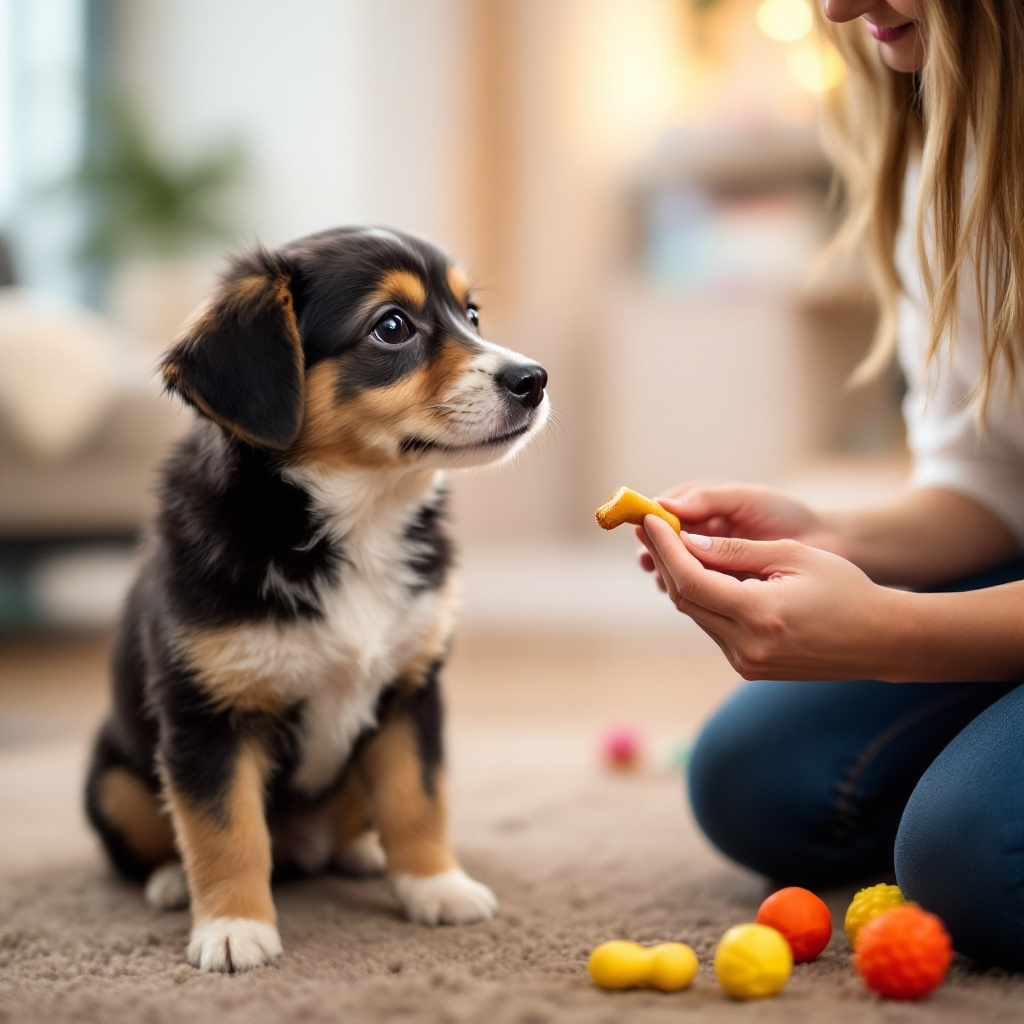
There is nothing better than praise and treats to boost training. Positive reinforcement is a technique in which good behaviour is rewarded to increase the likelihood that the behaviour will be repeated.
- Rewards: A small treat or loving praise works wonders.
- Consistency: Always maintain your standards - a no remains a no.
- Immediacy: Reward as soon as possible after the desired behaviour to strengthen the bond.
2. obedience training: laying the foundations
Even small dogs need a certain level of basic obedience. These commands are fundamental for safe interaction with other dogs and people.
- Seat: The most basic trick - and a must for every breed.
- Place: A perfect way to overcome stubbornness.
- Stay: Especially important to stop your dog from running away.
3. socialisation: discovering the world
Early socialisation is a must for small dogs to understand and appreciate the world around them. Socialise with other dog owners and let your little companion enjoy the company of other dogs.
Tip: Choose the environment carefully - no hectic or nervousness. A quiet environment is ideal.
Challenges and solutions for training small dog breeds
Don't worry, you're not alone if you encounter problems here and there. With a few tips and patience, you can overcome these hurdles with ease.
1. barking can be a problem
Small dogs often tend to bark a lot. But this is not impossible to tame.
- Explore the cause: Find out what triggers the barking - insecurity, boredom or protective instinct?
- Offer distraction: Divert the dog's attention with toys or commands.
- Practise patience: Stay calm and consistent in training - no dramatic reactions.
2. managing the energy of a Duracell puppy
These little bundles of energy should be kept appropriately occupied to avoid unwanted behaviour. Here are some creative ways to keep them occupied:
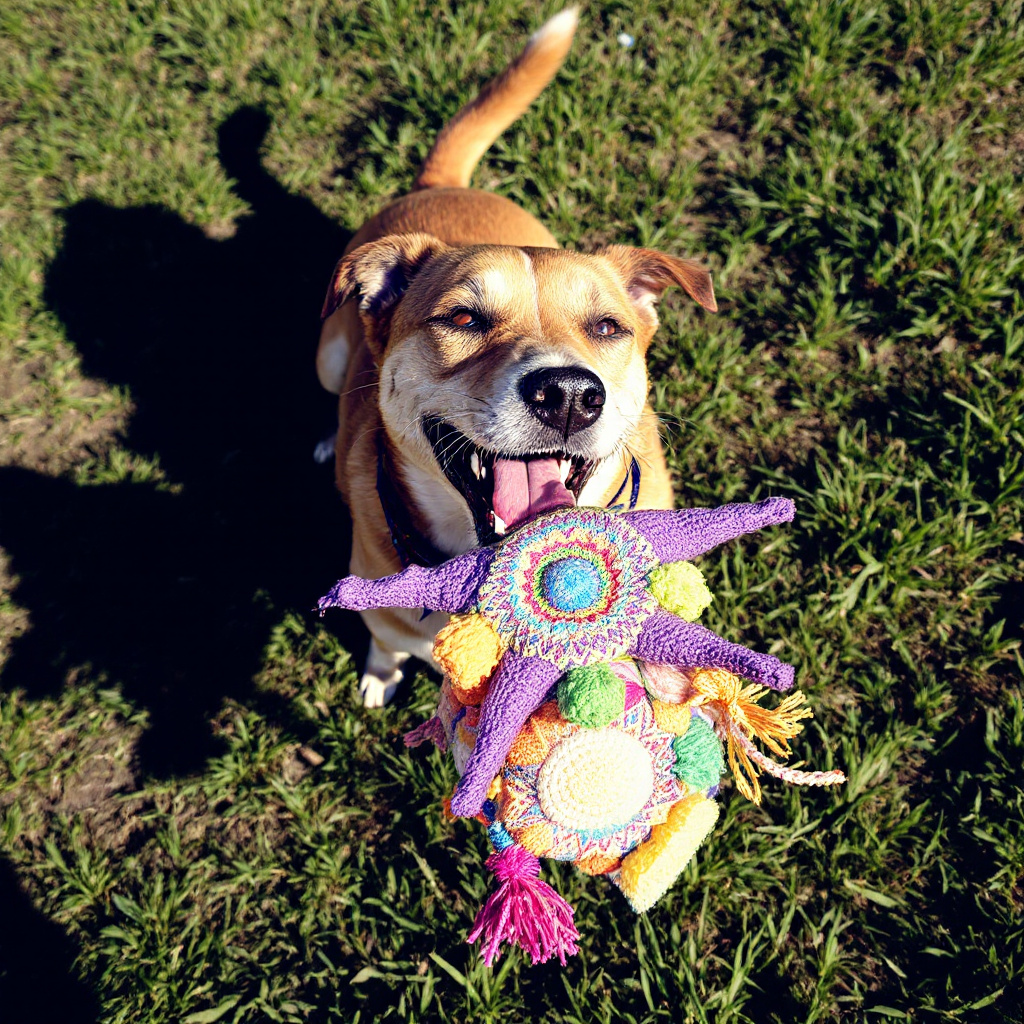
- Fetch and search games in the garden or park.
- Circuit training with small obstacles such as cones or ropes.
- Interactive toys that encourage problem solving.
What to do if you get stuck?
Sometimes a little bit more support is needed. And who better to help than a dog trainer? These professionals offer advice specifically tailored to you and your furry friend.
But don't be disappointed if it doesn't work right away. Most trainers emphasise patience and consistency - dogs recognise and respect strong, independent leadership. And at the end of the day? A dog is just a dog, no matter the breed or size. But nothing stands firmly in the way of a loving heart and a consistent hand.
Training small dog breeds may be an adventure, but with the right techniques, lots of love and patience, your little companion will not only be your best friend, but also the neighbourhood poster dog!
FAQs on training small dog breeds
Are small dogs harder to train?
Small dogs tend to bark more often - but this has nothing to do with their size, it's down to the owners. Many people think that dogs need less training just because they are small. However, the following also applies to mini dogs: a well-behaved four-legged friend makes life more relaxed for both humans and dogs.
What do you have to consider with small dogs?
The important basic signals should also be part of your little dog's training: sit, down, stay, as well as a good shout. Appropriate exercise is very important and also shows the dog its limits when interacting with people and other dogs.
Can you still train a 3-year-old dog?
Dogs are lifelong learners. They are able to learn commands, rules and certain behaviours well into old age - just as they are able to acquire unwanted behaviour patterns even as adult dogs. Their training should therefore never stop.
Which aids are recommended for training small dog breeds?
Various aids can be useful for training small dog breeds. Treat bags and clickers are widely used to immediately reward and reinforce desired behaviour. Small toys are excellent for motivating the dog and gaining its attention. In addition, harnesses can be beneficial to ensure better control during training sessions without straining the dog's neck.
Are there specific challenges in raising small dogs in urban environments?
Yes, there are some specific challenges when training small dogs in urban environments. Traffic, crowds and loud noises can be overwhelming for sensitive dogs. Therefore, as with any dog, it is important to slowly increase the stimuli and gradually acclimatise the dog to the urban environment. Socialisation with other city dogs and training to relax in busy areas can also be helpful.