
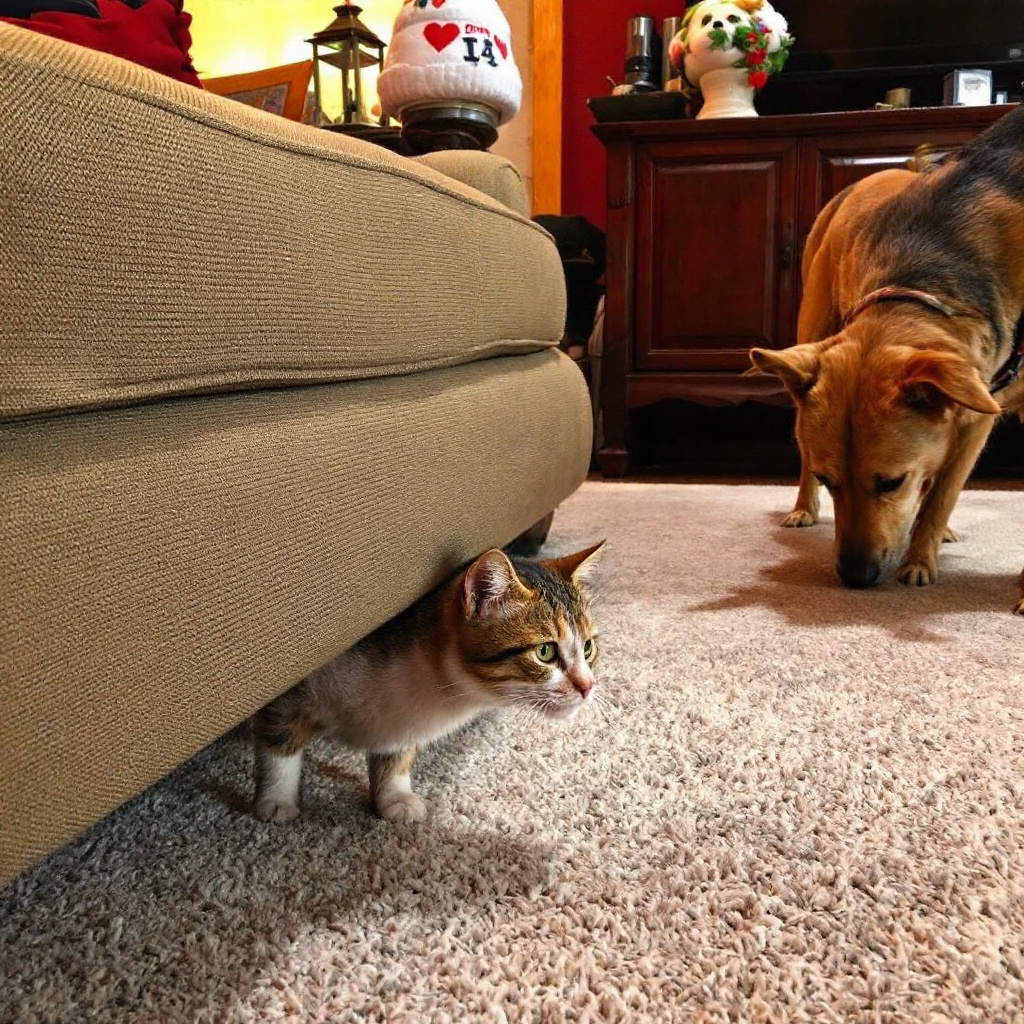
First steps in introducing pets: tips and tricks for harmonious cohabitation
Pets are wonderful companions that can bring joy and happiness to our lives. But what happens when you have not just one pet, but two, three or even more? How can you ensure that all the animals live together harmoniously under one roof? This is where the first steps of pet introduction come into play!
Why is the introduction of new pets important?
One thing is clear: our furry friends have their own idiosyncrasies. Regardless of whether it's a curious dog, a reserved cat or a greedy guinea pig - every animal has individual needs and behavioural patterns. A well thought-out introduction can avoid conflicts, clear up misunderstandings and create the basis for a lasting friendship between your pets.
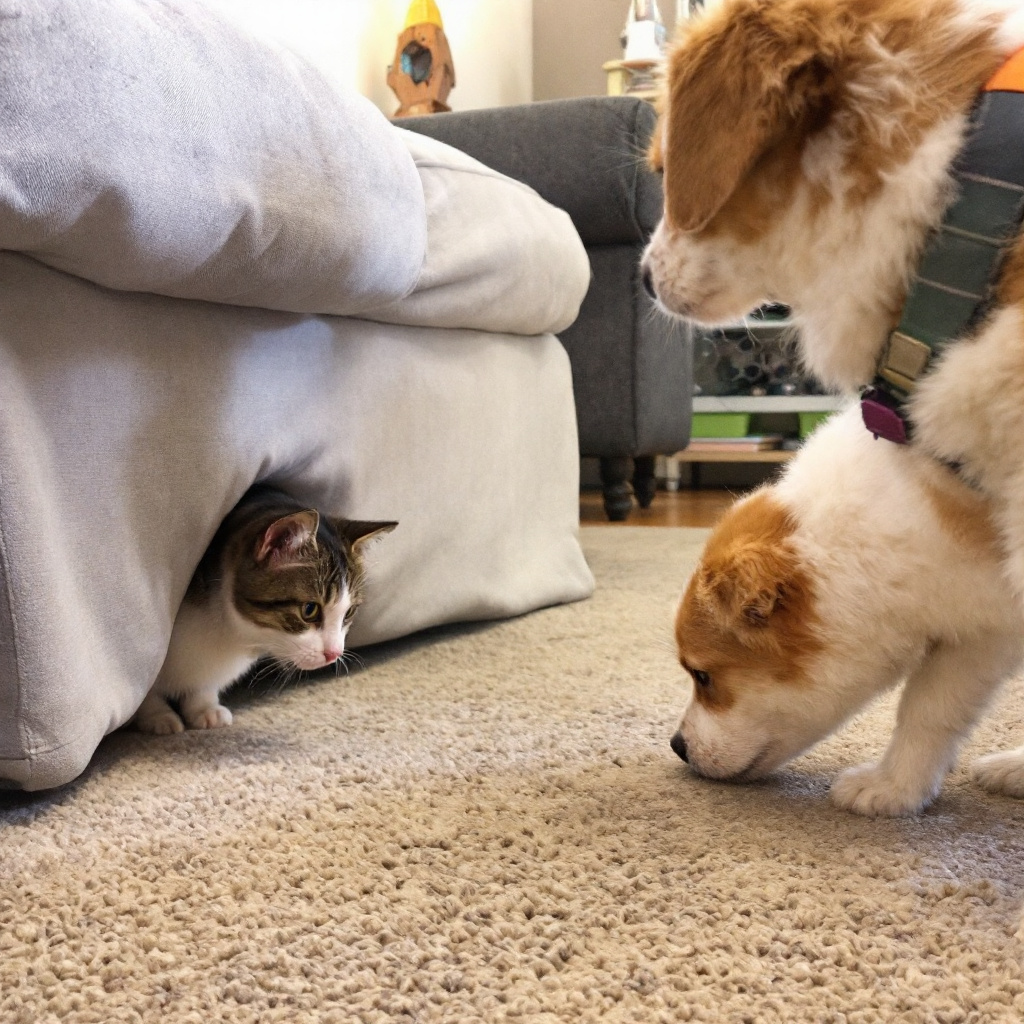
Preparation of the environment
Before you bring a new pet home, you should make sure that your home is ready to accommodate all its inhabitants. What exactly does that look like?
- Stake out rooms: Create separate areas for each animal to provide a sense of security. Cats in particular appreciate retreats, while dogs love their own cosy corner.
- Toys and feeding bowls: Avoid competition by providing separate toys and feeding stations. This minimises stress and promotes peaceful coexistence.
- odour: An old towel can work wonders! Rub it lightly over the new pet and place it in the other animal's territory. This way, they will get to know the new addition to the family olfactorily before the first meeting.
Understanding the behaviours
If you know what makes animals tick, you can better predict their reactions and prevent problems. But which signals should you pay attention to?
- Body language: A wagging tail in dogs symbolises something completely different to that of cats. Whilst in dogs this is seen as joy, in cats it can be a sign of extreme excitement.
- Sound utterances: A growl or snarl is often a clear sign of discomfort or overstepping boundaries. Respect these warnings.
- Social hierarchies: Pets often follow a natural hierarchy. Observe who takes over the leadership position and how the others react.
Step-by-step approach to implementation
Now that everything is prepared, it's time to get down to business: the actual introduction. But caution is advised here. A staggered process can often bring the best results.
1. the first encounter
This should take place in a neutral territory, for example in the garden or a large, open room. This will prevent one of the pets from having to defend its territory.
Consider the following points:
- Short and sweet: A first meeting should never last longer than 10-15 minutes.
- Positive reinforcement: Reward good behaviour with treats or cuddles.
- Always under supervision: Always stay close by so that you can intervene in the event of any conflicts.
2. the introduction in your own home
Once the animals have sniffed each other outside, the next step is to let them into the house. These tips will help:
- Set boundaries: Use doors or baby gates to enable a slow familiarisation in the first few days.
- Establish a routine: Introduce common routines, be it on a walk or when eating. Animals like to cling to familiar things.
- Be prepared for setbacks: Not every meeting will go smoothly. Patience is the key.
Long-term integration and harmonisation
After the first hobbled steps of pet introduction have been successfully mastered, the goal is long-term peace.
- Constant observation: Continue to pay attention to the behaviour of your animals and intervene if they become displeased.
- Regular visits to the vet: Health checks prevent symptoms of illness from being misinterpreted as behavioural problems.
- Continuing education: Dog schools, cat trainers and the like can offer valuable support when it comes to social behaviour.
In conclusion, every animal, like us humans, is unique. However, with care and the right acceptance, true friendships can develop that will bring love, joy and fun to your household. Introducing new pets is not rocket science, but it does take time and effort. These first steps in introducing pets will lay the foundations for harmonious coexistence in your home. Good luck! 🐾
FAQs
What signs indicate that my pets are not getting along?
If your pets are constantly growling, hissing or displaying aggressive behaviour, this could be a sign that they are not getting along. Also look out for subtle cues such as avoidance or stressed behaviour. Quick action and perhaps professional support can help to avoid long-term conflict.
How long does it usually take for pets to get used to each other?
The length of time can vary greatly. Some animals accept each other within days, while others take several weeks or even months. There is no set rule for this. Patience and constant observation are important to make the process as harmonious as possible.
Can I introduce two pets at the same time when I open a new home?
Yes, this can work, especially if both animals are moved to a new home at the same time. As neither animal has an established territory, this can take the pressure off and make the introduction easier. However, you should still be careful and introduce the animals gradually.
Are certain animal species easier to socialise with each other?
Yes, some animal species naturally get along better than others. Dogs and cats that have grown up together from an early age often have few problems. Small rodents or birds, on the other hand, can present particular challenges. Each introduction requires its own strategy.