
Everything about small hunting dogs: nutrition, care and ageing
Nutrition for small hunting dogs: The basis for a long, active life
Welcome to the fascinating world of small hunting dogs! These little rockets on four paws are not only agile and courageous, but also require very special care to maximise their quality of life. An essential part of this care is proper nutrition. Let's take a deep dive into the subject and find out what little hunters should preferably have on their menu.
### Correct nutrients for Small hunting dogs
Small hunting dogs are real bundles of energy. That's why they need a balanced mix of proteins, fats and carbohydrates to keep them going. Energy level high and keep their muscles strong. Here are some important points:
- Proteins: These are essential for building muscle and repairing tissue. High-quality proteins from meat, fish and eggs should be included in the food.
- Fats: Fats serve as a concentrated source of energy. They are necessary for a shiny coat and healthy skin. Omega-3 and omega-6 fatty acids support the immune system and heart health.
- Carbohydrates: These provide quick energy, especially important during longer hunting trips. However, complex carbohydrates such as rice and oats should be favoured to ensure a steady energy level.
### Feeding times and quantities
Overfeeding can lead to obesity, which is particularly counterproductive for active hunting dogs. A balanced feeding plan could look like this:
- Morning: A small portion of dry food, enriched with some wet food to start the day full of energy.
- Lunchtime: A light snack such as pieces of carrot or special dog biscuits as a reward.
- Evening: A complete meal with a mixture of proteins, fats and carbohydrates to maintain energy levels.
Care of small hunting dogs: With dedication and experience
Caring for small hunting dogs goes far beyond simply feeding them. From coat care to dental health, every aspect needs careful attention. Here are a few tips and tricks to optimise the care of your little four-legged hunter.
### Grooming and bathing
Small hunting dogs often have a thick, weatherproof coat that protects them in all weathers. But what does this mean for grooming?
- Brushing: Regular brushing, at least once a week, prevents matting and removes dirt and dead hair.
- Bathing: Bathing too often can damage the skin's natural oil layer. A bath every two to three months is completely sufficient, unless your dog has rolled in something particularly unappetising.
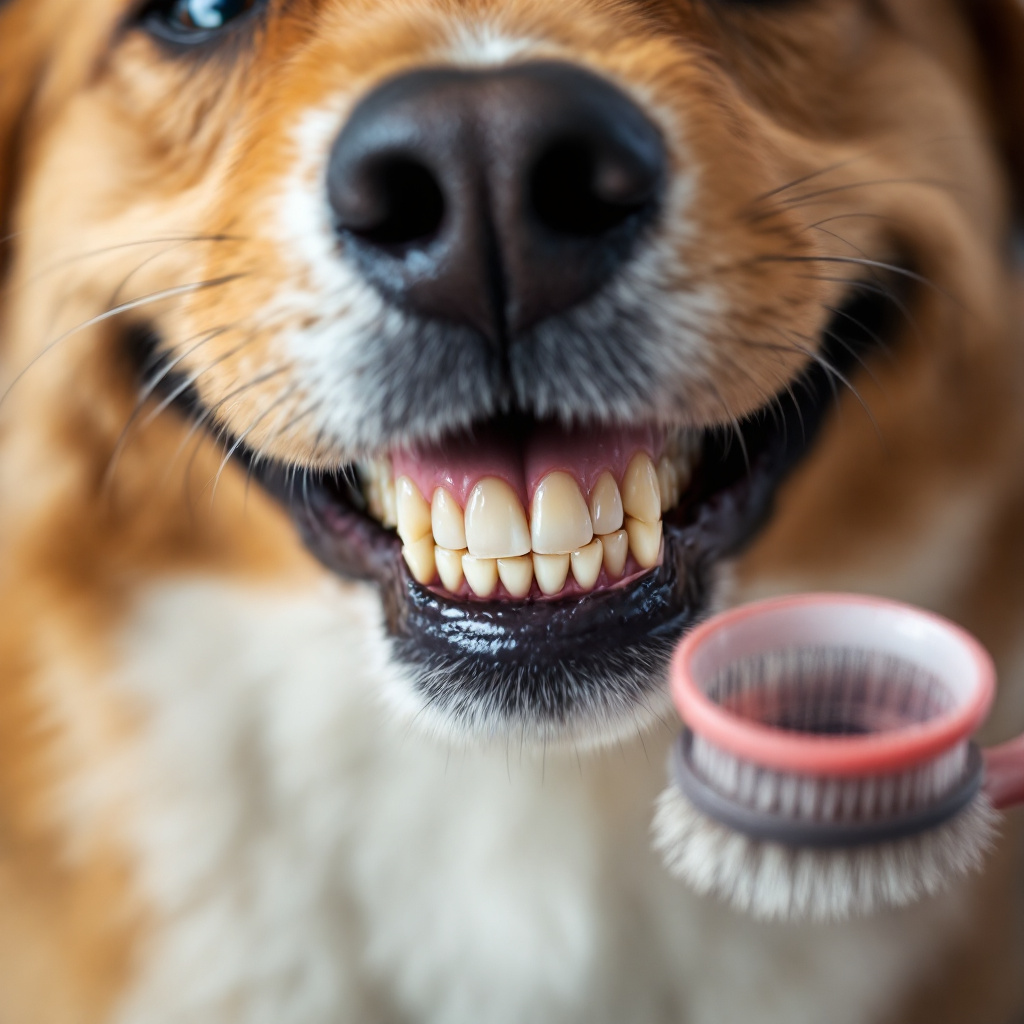
### Dental care
Dental health is often overlooked, yet it plays a crucial role in overall wellbeing.
- Brush your dog's teeth regularly: Use special dog toothpaste and brushes. Ideally, teeth should be brushed several times a week.
- Chews: These can help to reduce tartar and plaque in a natural way. Make sure that the chews are not too hard to avoid tooth injuries.
### Movement needs
Hunting dogs love exercise. A walk around the block is usually not enough.
- Daily training: Plan at least one hour of intensive training per day. This can include running, retrieving or special hunting exercises.
- Mental stimulation: Brain games and search games are perfect for keeping intelligent hunting dogs mentally challenged. Hide treats and let your dog find them.
Ageing of small hunting dogs: How to accompany them into retirement
Even the most energetic little hunting dogs get older at some point. Ageing comes with its challenges, but with the right care, your little friend can lead a fulfilling life even in old age.
### Nutrition in old age
Needs change with age and nutrition should also be adapted.
- Calorie reduction: Older dogs often move less, so calorie intake must be reduced to prevent obesity.
- Easily digestible proteins: Aging dogs may have trouble processing hard-to-digest proteins. Easily digestible options such as chicken or fish are ideal.
- Additives: Glucosamine and chondroitin support joint health and should be included in senior-friendly food.
### Health monitoring
Regular visits to the vet are essential in old age.
- Annual check-ups: At least one comprehensive health check-up per year is recommended.
- Vaccinations and preventive care: Keep your vaccination schedule up to date and make sure you have preventive check-ups, especially for your heart and kidneys.
### Movement adjustments
Even if mobility decreases, movement remains important.
- Gentle exercise: Shorter but more frequent walks are better than long, strenuous outings.
- Joint-friendly activities: Swimming is an excellent way to protect your joints and get some exercise at the same time.
The circle of life: loving care from puppy to senior
Small hunting dogs are wonderful, loyal companions. They do require some effort to care for and feed, but the joy they bring into the home is worth every effort. From wild puppy to wise senior, each stage of your little friend's life has its own challenges and joys. Remember, regular exercise, a healthy diet and lots of love are the best ways to keep your little hunter happy and healthy.
So, grab the lead, head outside and enjoy time together with your four-legged hunting companion! Because there's nothing better than seeing them dashing across the fields and enjoying life.
Your faithful hunting dog will thank you with unforgettable moments. Happy hunting and have fun caring for and enjoying the daily adventures with your little hunter! 🐾
FAQs
What does a small hunting dog eat?
Small hunting dogs need a varied diet that contains proteins as well as carbohydrates and fats. They are not pure carnivores, but omnivores that also need plant-based components. Fibre from vegetables and wholegrain products helps to support the intestinal motor function and keep the digestive tract going.
How often should you feed a small hunting dog?
Divide your small hunting dog's meals into several smaller portions throughout the day. Ideally, you should feed him three times a day: in the morning, at lunchtime and in the evening. Healthy snacks such as carrots can help with hunger pangs in between meals without unbalancing the diet.
Which food is suitable for older small hunting dogs?
Senior hunting dogs benefit from rations that contain easily digestible proteins such as lean meat (e.g. turkey or chicken) and fish. Dairy products can also be useful to provide high-quality proteins that prevent muscle breakdown and promote health.
Which vitamins are important for older small hunting dogs?
Older dogs need special vitamins and nutrients to stay healthy. This includes antioxidants such as vitamins E and C and beta-carotene, which support the immune system. L-carnitine is also important as it acts as a natural fat burner and helps older dogs maintain their body condition.
Should a small hunting dog be given supplements?
Supplements can be useful in many cases. Glucosamine and chondroitin, for example, support joint health and can prevent joint problems. Omega-3 and omega-6 fatty acids are also valuable for supporting the skin, coat and immune system.
How much exercise does a small hunting dog need every day?
Small hunting dogs are very energetic and need at least one hour of exercise per day. This can be fulfilled through walks, retrieving exercises or special training sessions. Remember to also provide mental stimulation through brain and search games to keep the dog both physically and mentally challenged.
How do you care for the coat of a small hunting dog?
A small hunting dog's coat should be brushed regularly, at least once a week, to remove tangles and dirt. Bathing is only necessary every two to three months, unless your dog has rolled in something dirty. Use special dog shampoos to avoid damaging the coat.
Are regular visits to the vet important?
Yes, regular visits to the vet are particularly important to monitor the health of your small hunting dog. Annual health checks and preventive examinations are essential, especially as they get older, in order to recognise and treat illnesses at an early stage.