
Nutrition and healthcare for small hunting dogs: what you need to know
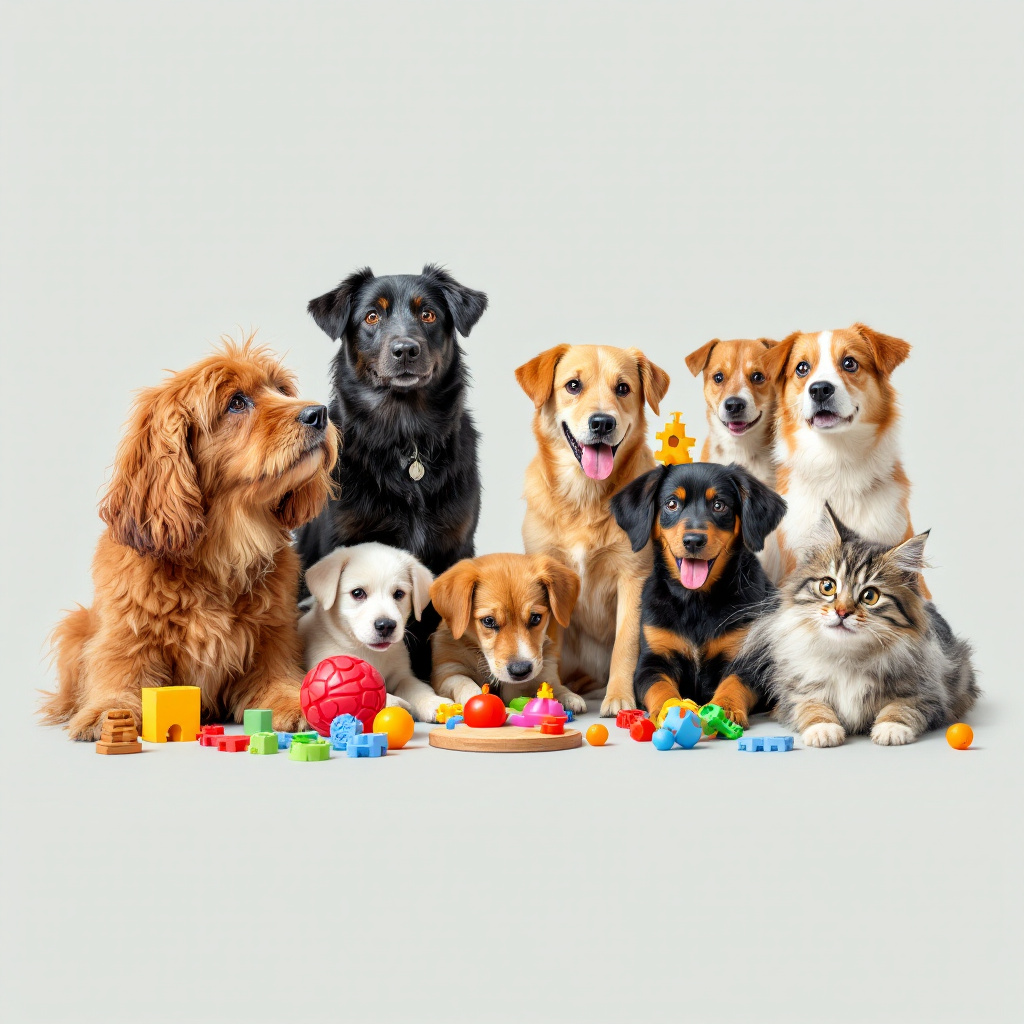
Anyone who owns a small hunting dog knows how much energy and passion these four-legged friends bring with them. But did you know that proper nutrition and health care play a crucial role in their performance and quality of life? In this article, we take a deep dive into the world of nutrition and care tips for small hunting dogs. So grab a cup of coffee, sit back and let's get started!
The importance of proper nutrition
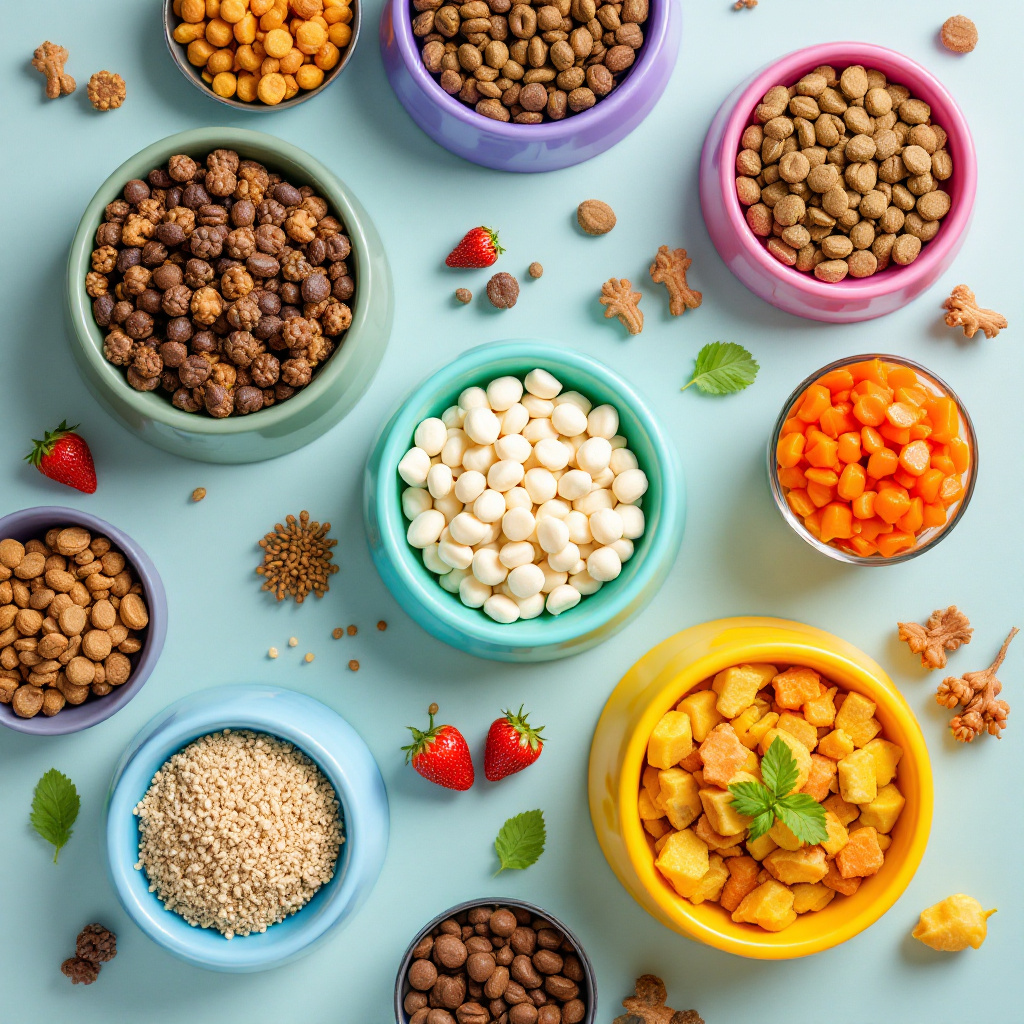
The question is not only, what you feed a small hunting dog, but also when and like. Optimal nutrition can boost your dog's energy, strengthen their immune system and promote their overall health. Here are some things to keep in mind:
- Proteins: Small hunting dogs are active animals by nature. Proteins help to build and maintain muscle, which is particularly important for dogs that are on the move a lot.
- Fats: A certain amount of fat in the diet is necessary to meet the energy requirements of your small hunting dog. However, pay attention to healthy fats such as omega-3 and omega-6 fatty acids.
- Carbohydrates: While proteins and fats often take centre stage, we should not underestimate the role of carbohydrates. They provide immediate energy and help to keep blood sugar levels stable.
- Vitamins and minerals: These micronutrients are essential for a strong immune system and healthy bones.
- Water: It may sound obvious, but sufficient water is absolutely vital for your small hunting dog. It helps with digestion and regulates body temperature.
The dos and don'ts of feeding
The right feeding technique can make a huge difference. Here are some tips that can help you:
- Dos:
- Always feed your dog at the same time. Regularity helps to keep the digestive system stable.
- Choose high-quality food that meets your dog's specific needs.
- Always have fresh drinking water available.
- Don'ts:
- Avoid giving your dog table scraps, as they often contain unsuitable ingredients.
- Do not overfeed, as small hunting dogs can be prone to obesity, which can affect their mobility and health.
- Do not leave them without food for long periods of time. Depriving your pet of food for too long can have a negative effect on its metabolism.
Nutrient supplements: Yes or no?
Sometimes normal food is not enough to cover all of your small hunting dog's nutritional and physiological needs. This is where food supplements come into play. But caution is advised! Before giving any supplement, consult your vet.
Some useful food supplements could be:
- Omega-3 fatty acids: Good for your dog's coat and skin. Also has an anti-inflammatory effect.
- Probiotics: Helps to maintain a healthy intestinal flora.
- Glucosamine and chondroitin: Supports joint health, especially useful for older hunting dogs.
- Vitamin E and C: Antioxidants help to neutralise free radicals and strengthen the immune system.
Healthcare: prevention is better than cure
It's not just about nutrition; a holistic approach to healthcare is essential. Regular visits to the vet are essential, but there is more:
- Movement: Small hunting dogs are extremely active. Regular exercise keeps them fit and happy.
- Dental care: Never neglect your dog's teeth. Dental disease can lead to more serious health problems.
- Parasite control: Make sure your dog is regularly checked for fleas, ticks and worms. The likelihood of an infestation is particularly high during the hunting season.
- Paw care: Make sure your dog's paws are clean and free of injuries. This is particularly important when hunting in rough terrain.
- Ear cleaning: Small hunting dogs can be prone to ear infections. Keep their ears clean and dry.
Special focus: Hunting dogs and their special needs
Small hunting dogs have special needs that often go beyond basic care. Here are some aspects you should keep in mind:
High energy requirement: Hunting dogs use up a lot of energy. A normal walk is often not enough. Plan challenging activities such as retrieving or long hikes.
Mental stimulation: Hunting dogs are intelligent and need mental challenges. Games, training, and hunting simulations help to keep their minds busy and happy.
Social interaction: These dogs are often very people-orientated and enjoy social interactions, both with people and with other dogs.
Summary: A healthy hunting dog life
Caring for a small hunting dog takes time, dedication and knowledge. With the right diet, supplements and all-round health care, you can ensure that your hunting dog not only remains functional, but also happy and healthy.
And remember: every dog is unique. Keep a close eye on your hunting dog's behaviour and health and adapt your grooming routine accordingly. Good preparation and continuous observation can recognise small problems early on and prevent larger problems.
So, let's go! Get ready to give your little hound the best life possible. Because at the end of the day, we all want our four-legged friends not only to work, but also to enjoy dog life to the full.
Stay tuned and share your experiences in caring for your small hunting dogs in the comments below. Together we can make sure that every little hunting dog gets the care and attention they deserve!
FAQs
What should small hunting dogs eat?
Small hunting dogs are active creatures and need a balanced diet that includes both high-quality animal and plant-based components. Protein from meat is essential for building muscle, while fibre from plant sources supports intestinal motor function. It is important to make sure that the food does not contain any harmful additives and that it fulfils specific nutritional requirements such as omega-3 and omega-6 fatty acids.
What can you give small hunting dogs to eat?
You can feed your small hunting dog a variety of foods that are also suitable for human consumption. These include
- Pasta (cooked)
- Rice
- Potatoes (cooked and without skin)
- Lean meat
- Boiled eggs
- Quark or yoghurt
In addition, dogs are allowed to eat almost all types of fruit and vegetables that humans also eat, such as carrots, apples and berries.
What is the healthiest diet for small hunting dogs?
A healthy diet for small hunting dogs should be a balanced mix of proteins, healthy fats and carbohydrates. Here is a list of foods that contribute to the healthiest diet for your dog:
- Meat: Muscle meat, stomach, heart, liver, spleen, rumen, kidney, bone, chicken, fish
- Vegetables: Carrot, lettuce, broccoli, boiled potato, parsnip, cucumber, courgette
- Fruit: Apple, banana, pear, apricot, berries, rosehip, melon, cherry, kiwi, peach, plum
These components provide a balanced mix of proteins, vitamins and minerals that contribute to your dog's overall health and vitality.
When should you feed small hunting dogs?
Adult small hunting dogs can receive their daily ration in one meal. Ideally, however, they should be fed in the morning and evening, similar to medium-sized and large dogs. However, if your dog cannot tolerate such large portions and Digestive problems additional meals a day can be useful. Regular feeding times help to keep the metabolism stable and ensure the energy supply.