Nutrition and feeding: tips for large dog breeds
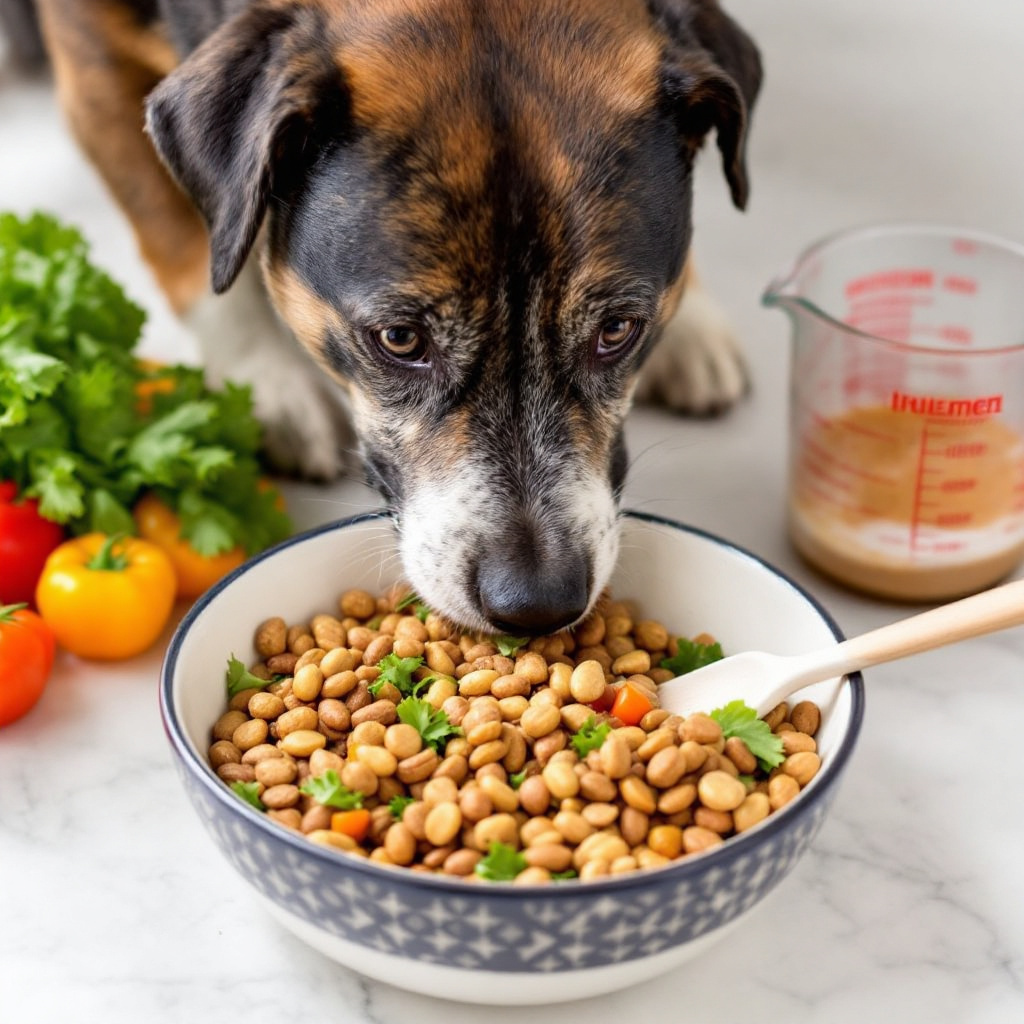
Proper nutrition and feeding for large dog breeds is crucial to ensure their growth and health. If you've ever tried to plan the perfect menu for your four-legged behemoth, you'll know that it's not just a simple bowl of kibble. Oh, what challenges! We'll take you on a little journey to shed some light on the subject and give you some practical tips for feeding your big dog.
Why a balanced diet is so important
Large dog breeds, with their imposing appearance, require a specific diet that is tailored to their particular needs. But why exactly is this so important? Well, large dogs not only grow quickly, but also have higher energy and nutritional requirements than smaller breeds. They can suffer from certain health problems such as joint pain or stomach torsion, which can be fuelled by poor nutrition.
The art of nutrient balance
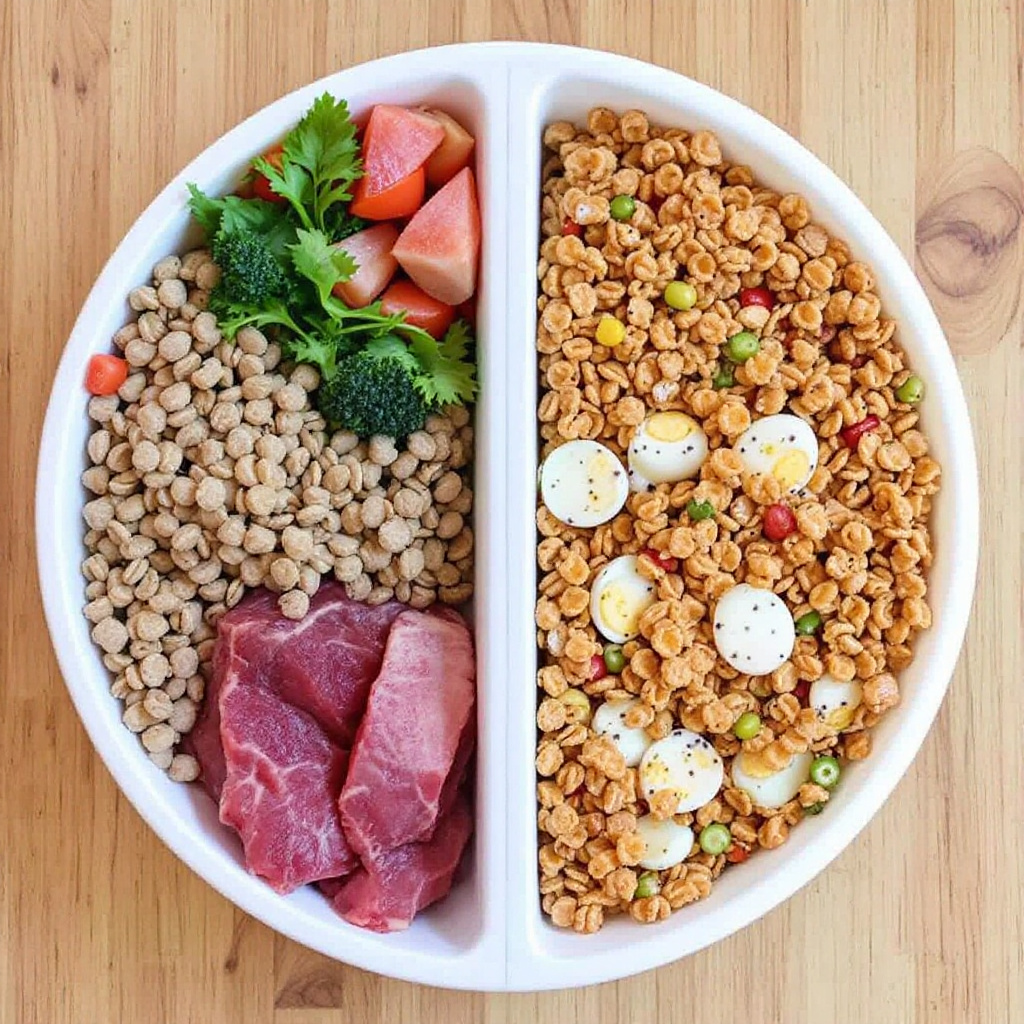
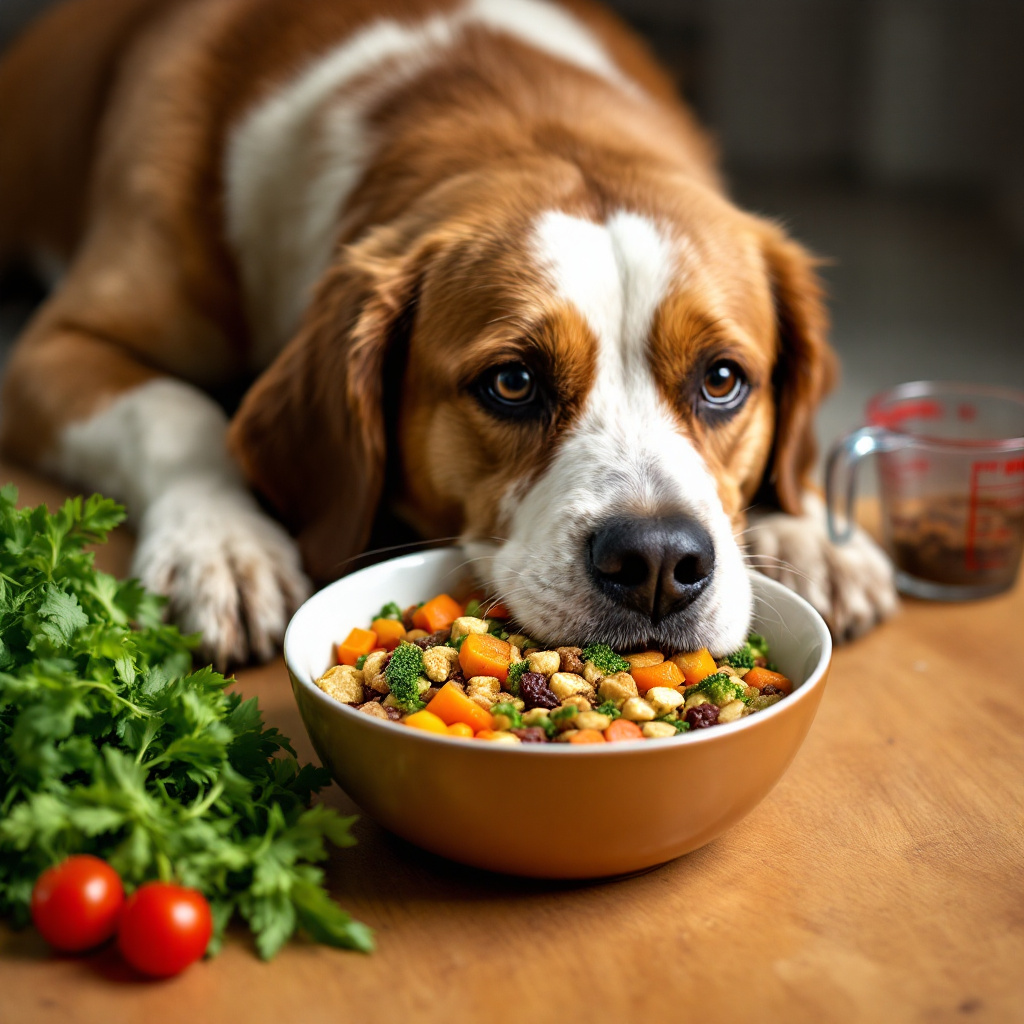
Just as important as the right food is the nutritional balance. Feed your dog right and you feed his health, they say. Here are the most important building blocks that should not be missing from any meal:
- Protein: Essential for the growth and maintenance of muscle mass. Meat, fish and eggs are excellent sources of protein.
- Fats: Provide your dog with energy. Make sure they are healthy, for example omega-3 and omega-6 fatty acids.
- Carbohydrates: They provide quick energy. Rice and oatmeal are good options here.
- Vitamins and minerals: Essential for a strong immune defence and healthy bones. Vitamin C, D and calcium are essential.
Portion sizes: A lot or a little?
Finding the right portion size can be a real headache. Large dogs tend to gobble up food quickly, which can lead to digestive problems. It is therefore advisable to divide the daily amount of food into several smaller meals. A few rules of thumb for portion sizes:
- Puppies: Up to four meals per day.
- Adult dogs: Two to three meals per day.
- Seniors: Two smaller meals with age-appropriate food.
Of course, the exact amount of food depends on the individual dog. Its weight, age, activity level and state of health all play a role. If in doubt, talk to your vet.
The best feeding time: a question of timing
Just as important as the what and how much is the when of feeding. Large dogs should not be given excessive exercise or long walks for at least an hour before and after eating to reduce the risk of gastric torsion. Bestselling time slots for feeding:
- Morning: Directly after the first walk or in the morning after getting up.
- Lunch: A light portion at lunchtime (optional).
- Evening: After the last big round outside, but at least two hours before going to bed.
Tips for avoiding food intolerances
Ouch, if your dog suffers from stomach pains, the fun is over. Some large dogs are intolerant to certain foods. Here are some tricks to avoid this:
- Introduce new foods slowly and gradually to observe reactions.
- Use hypoallergenic food if your dog reacts to certain proteins or grains.
- Keep a food diary to quickly recognise intolerances.
Summary: The right nutrition for a long dog life
Bingo! A balanced diet and feeding for large dog breeds is not rocket science, but a matter of proper planning and realisation. By understanding your pet's needs, balancing proteins, fats and carbohydrates and paying attention to portion sizes and feeding times, you can promote your dog's well-being in the long term.
In the hope that these tips and tricks will help you and your faithful companion, we say goodbye with a friendly woof! to your full bowls of food.
FAQs
What is the difference between feeding and nutrition?
Feeding refers to the process of providing food to an animal - in other words, the „how“ of feeding. Nutrition, on the other hand, describes the „what“ and „why“; it is the broader term that encompasses the composition and quality of food as well as its effects on the living being, in this case the dog. In short, while feeding is the act, nutrition refers to the strategic selection and balance of nutrients.
What is meant by nutrition?
Definition: What is nutrition? Nutrition is the supply of food. This can be organic or inorganic and can vary in form and composition. Only living beings feed or are fed; things and machines do not, and only they are said to eat and drink.
What is the best diet for dogs?
Dogs are omnivores and therefore have the ability to digest both meat and vegetables. They therefore need a balanced diet with proteins, carbohydrates, fats, fibre, minerals and vitamins. High-quality dog food is always better than a cheap, low-quality alternative. Make sure that the main ingredients fulfil your dog's needs and avoid unnecessary fillers.
Can large dog breeds eat the same as small dog breeds?
Whilst the basics of nutritional composition may be similar, large dog breeds often have specific requirements for calories, protein and certain minerals such as calcium for bone growth. Their higher energy consumption and susceptibility to certain health problems require a specially tailored diet. It is advisable to choose food that is tailored to the dog's size and activity level.
How often should large dog breeds be fed?
It is recommended to feed adult dogs twice a day - once in the morning and once in the evening. Puppies may require up to four meals a day as they need more energy and nutrients for growth. Older dogs may benefit from adapting to smaller, more frequent meals to support their metabolism.