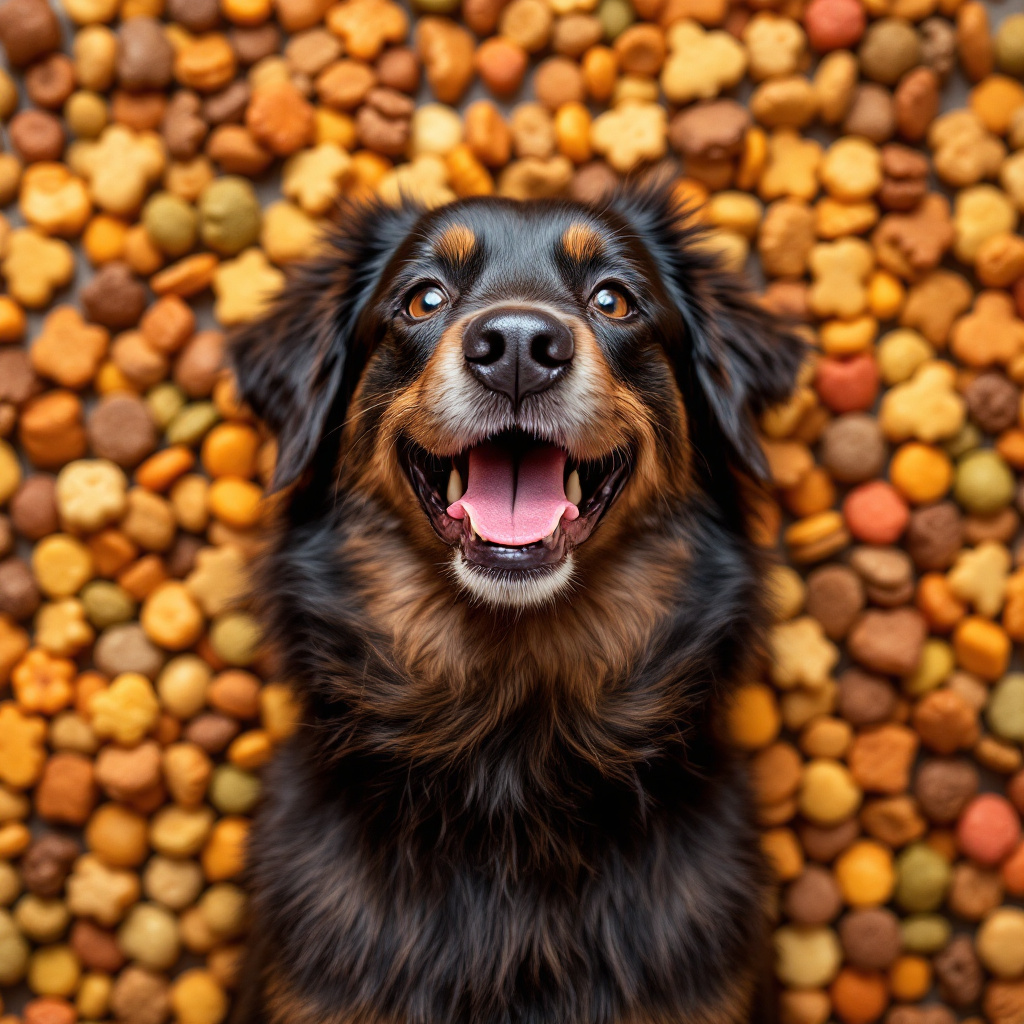

Optimum nutrition for small hunting dogs: the key to vitality and performance
The nutrition of small hunting dogs is a topic that is as complex as it is essential. These agile four-legged friends are not only loyal companions, but also persistent hunters with special nutritional needs. In this article, we take a deep dive into the world of optimal food design, specifically tailored to the small breeds that play a major role in the hunting community. Ready? Then let's get started!
Why the nutrition of small hunting dogs is so important
Small hunting dogs, from terriers to dachshunds, are known for their incredible energy and stamina. But to perform at their best on the hunt, they need a diet specially tailored to their needs. Don't forget, these agile four-legged friends are athletes through and through!
- Energy requirements: Small hunting dogs have high energy requirements. A balanced mixture of proteins, fats and carbohydrates ensures that they can remain active throughout the day.
- Muscle mass: Protein-rich food supports the development and maintenance of muscle mass, which is extremely important for the speed and agility of dogs.
- Health and well-being: A balanced diet also contributes to good general health, including strong immune defences and a healthy coat.
The perfect menu for small hunting dogs
So what ends up on the menu of a small hunting dog? Here are some guidelines:
1. high-quality protein: Meat should always come first. Whether chicken, beef, lamb or fish - it is important that it is high-quality protein.
2 Healthy fats: Fats are an important source of energy. Salmon oil, linseed or fats from meat provide the necessary energy.
3. complex carbohydrates: wholemeal products, vegetables and fruit not only provide energy, but also important vitamins and minerals.
4. water: Hydration should not be forgotten. Fresh water should always be available, especially after hunting or intensive play.
Special considerations for the diet of small hunting dogs
Every dog is an individual, and this also applies to their diet. Here are some points to bear in mind:
- Age: Puppies have different nutritional needs than adult or older dogs. Make sure that the food is suitable for your dog's stage of life.
- Health condition: In the case of existing illnesses (e.g. allergies, diabetes), the food must be adapted accordingly. A vet can provide valuable help here.
- Activity level: A dog that regularly hunts has a higher energy requirement than a dog that lives mainly indoors.
Tips for feeding small hunting dogs
- Regularity: Feed your dog at fixed times to regulate his metabolism.
- Fresh and high quality: quality before quantity. A small hunting dog will benefit more from fresh, high-quality food than from large quantities of inferior food.
- Variety: Vary the food to ensure a balanced intake of all nutrients. Plus point: It keeps the menu interesting for your four-legged friend.
- Dental health: Don't forget about dental health. Chewables can help keep teeth clean and healthy.
Myths and truths about the diet of small hunting dogs
There are many myths surrounding dog feeding. Here are a few truths to debunk some of them:
- Raw feeding (BARF): Whilst some swear by it, it is important to realise that an unbalanced raw diet can lead to deficiencies. Expert advice is crucial here.
- Grain-free food: Not all dogs need a grain-free diet. In fact, grains can be a good source of energy as long as they are fed in moderation and the dog has no intolerances.
- Supplements: In most cases, supplementation with vitamins and minerals is not necessary with a balanced diet. Exceptions prove the rule, and professional advice is also recommended for this.
The Nutrition for small hunting dogs is an exciting topic that is as varied as the dogs themselves. With a well-thought-out feeding plan, you can ensure that your four-legged hunter stays healthy and productive not only today, but also in the future. After all, a happy dog is a healthy dog - and vice versa!
FAQs
What should hunting dogs eat?
Dogs - and therefore also your hunting dog - are not pure carnivores, but omnivores. In addition to high-quality animal ingredients, plant-based components should therefore also be part of the diet to ensure it is balanced.
What can a small dog eat?
What foods are dogs allowed to eat? Pasta, rice, potatoes (cooked and without skin), lean meat, boiled eggs, quark or yoghurt. Dogs are allowed to eat almost all fruit and vegetables that we humans also eat.
What does a small dog eat per day?
Puppies and young dogs While adult dogs need 2 - 3 % of their body weight per day in food, the requirement for young animals is higher and is 4 - 6 % of body weight. For a 5kg puppy, this means 200 - 300g. Divide this amount into four to five meals a day.
How often should you feed a small dog?
Very small dog breeds such as Chihuahuas or Miniature Pinschers have a comparatively high energy requirement in relation to their size and should therefore be fed twice a day. This allows the dog to regenerate and stay active.