

Nutrition for small dog breeds: A customised diet for your little bundle of energy
Small dog breeds are real bundles of energy. However, these little powerhouses have special nutritional needs that must be taken into account to ensure their health and longevity. Whether Chihuahua, Yorkshire Terrier or Dachshund, all these little four-legged friends need a diet that is tailored to their unique requirements. Let's delve into the world of small dog nutrition together and find out what they really need to stay healthy and happy!
Why small dog breeds have special nutritional requirements
It may come as a surprise, but small dogs often have a higher energy requirement per kilogramme of body weight than their larger counterparts. Why is this? The answer lies in their fast metabolism. This means they need food rich in high quality protein and other nutrients to fuel their metabolism. Energy level high and keep their bodies strong.
The fast metabolism
Small dogs burn calories faster than larger dogs. Their fast metabolism requires meals that are tailored to provide their energy efficiently without causing them to gain weight. That's why choosing the right diet is crucial for their health.
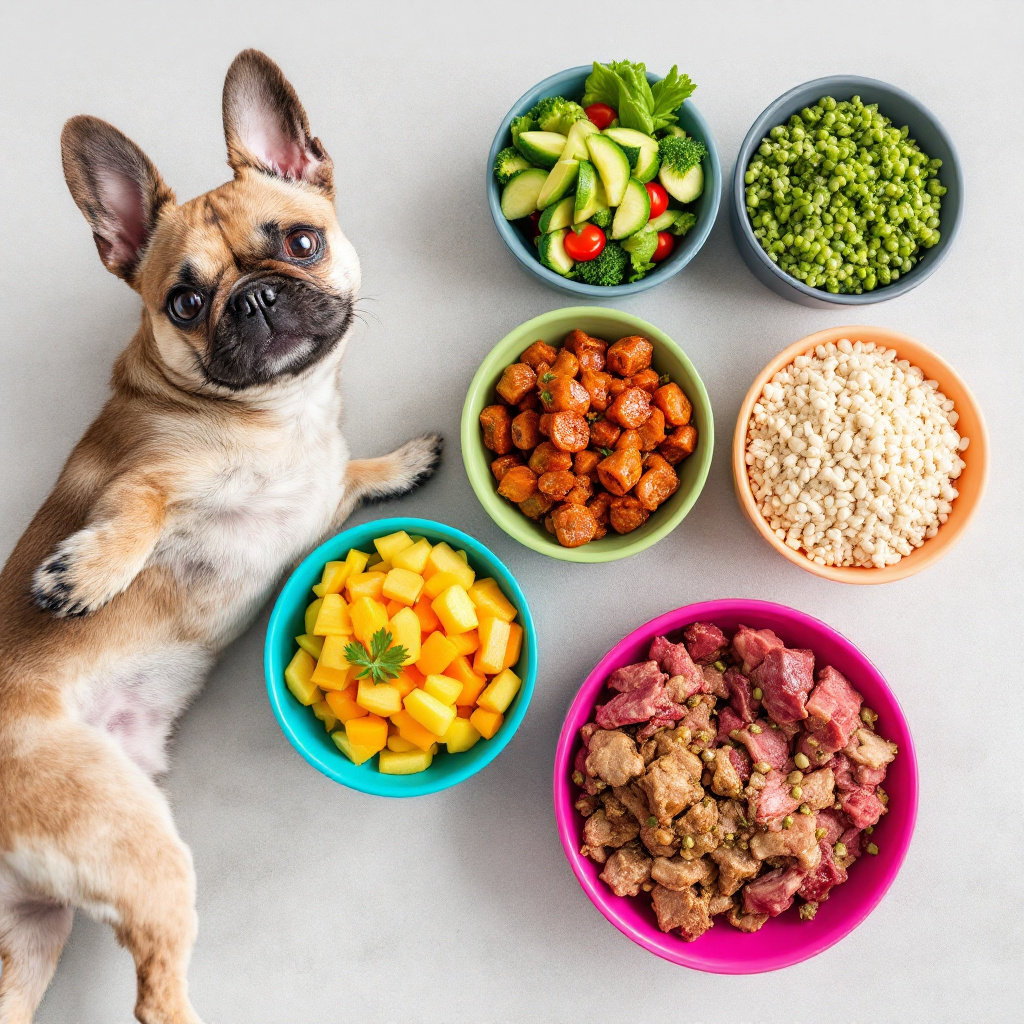
Main components of the diet of small dog breeds
A balanced dog food should contain the following essential ingredients:
- Protein: Essential for muscle building and general health. Sources such as chicken, fish or lamb are particularly valuable.
- Fats: Necessary for energy, healthy skin and a shiny coat. But be careful: the amount should be limited!
- Carbohydrates: Provide immediate energy. Complex carbohydrates such as rice or oats are the better choice over simple sugars.
- Vitamins and minerals: Support the immune system and general health. Calcium and phosphorus are particularly important for bone structure.
- Dietary fibre: Help with digestion and keep the digestive system healthy.
The best way to feed small dog breeds
Now for the practical question: what's the best way to feed your little darling? Surprisingly, feeding small dogs is not that different from feeding their larger counterparts - apart from the portion size and the frequency of meals.
Portion sizes and frequency
Small dogs have small stomachs, which means they need smaller but more frequent meals. Instead of feeding them twice a day, it might be better to offer them three to four smaller meals. This not only supports their energy needs, but also helps to prevent problems with blood sugar regulation.
The ideal choice of food: What is best suited?
Choosing the right food is just as important as the quantity. Not all commercially available dog food fulfils the special requirements of small breeds. Here are a few things you should look out for:
Special food mixes for small dogs
Many food manufacturers have developed special formulas for small breeds. These mixtures are often rich in nutrients and energy and make feeding easier as they are precisely tailored to the needs of small dogs.
Wet food vs. dry food
Whether wet or dry food is better often depends on the dog's preferences and specific needs. Wet food usually has a higher moisture content, which is particularly helpful for dogs that don't drink much. Dry food, on the other hand, supports your dog's dental hygiene. A mixture of both can also be a good option.
Supplements and snacks: choose your extras wisely
Supplements and snacks can be useful, but they can also quickly get out of hand. If you want to give your little four-legged friend extra treats, make sure they are healthy and nutritious.
Healthy rewards
- Fresh fruit and vegetables: Carrots, apples or blueberries make excellent snacks. However, be careful to avoid poisonous foods such as grapes.
- Sugar-free chewing bones: Support dental health and are a good activity.
Practical tips for feeding small dog breeds
Here are a few practical tips to ensure that your little friend's feeding goes smoothly:
- Observe feeding times: Regularity helps your dog to structure his day.
- Change the feed gradually: To prevent digestive problems, introduce new types of food slowly.
- Consult a vet: Professional advice is always helpful if you are unsure or have special dietary requirements.
The right diet for small dog breeds may seem complicated at first glance. But if you keep an eye on your four-legged friend's special needs and choose their food accordingly, nothing will stand in the way of a long, healthy and happy time with your little friend!
Let's remember that good nutrition is the basis for a flourishing dog's life. So, get feeding and let your little companion explore the world with joy!
FAQs on the nutrition of small dog breeds
What does a small dog eat?
Small dogs benefit from a balanced diet that is rich in high-quality protein, healthy fats and essential vitamins and minerals. Types of food that have been specially developed for small dog breeds are recommended, as they contain the right balance of the required nutrients.
How much should a small dog eat per day?
The amount depends on the specific breed, age, activity level and individual metabolism of the dog. As a rule of thumb, consult the feeding guidelines on the food packaging and adjust the portions according to the dog's energy requirements. In general, small dogs need about 100-200 grams of food per day, divided into smaller meals.
How often should you feed small dog breeds?
Adult small dogs can be fed their daily ration in one meal, but ideally they should be fed in the morning and evening like medium-sized and large dogs. However, if your dog cannot tolerate such large portions and Digestive problems additional meals a day can be useful. Smaller, more frequent meals also support blood sugar regulation and the fast metabolism of these tiny tots.